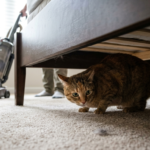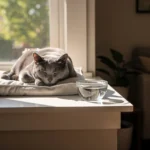
What can I give my cat for constipation? The go-to first step is plain canned pumpkin, extra water, and gentle activity, but the right remedy really depends on how severe the constipation is and whether other symptoms are present. Most mild cases resolve within 24–48 hours with simple home care.
One of my older cats went through a stretch of straining in the litter box with barely anything coming out. A vet visit confirmed mild constipation, common in senior cats, and a combination of pumpkin, more water, and a wet food switch had her back to normal within two days.
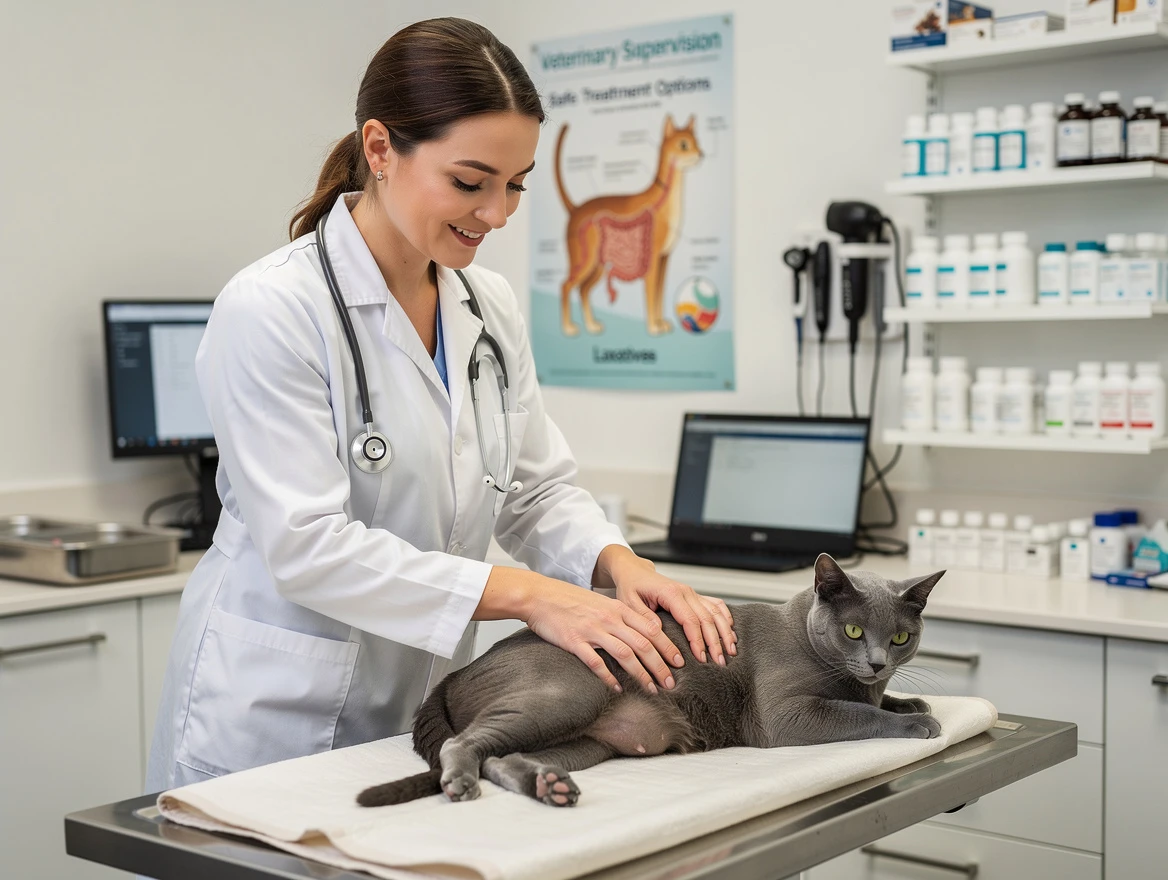
Plain canned pumpkin (1 teaspoon per meal), extra water sources, canned food instead of dry, and gentle exercise are the safest first steps. A small amount of olive oil or a vet-approved cat laxative can help if pumpkin alone isn’t enough. See a vet if your cat hasn’t pooped in 48–72 hours, is straining without results, or seems in pain.
Cat Constipation Symptoms
| Symptom | What It Looks Like |
|---|---|
| Straining in the litter box | Repeated attempts with little or no stool produced |
| Hard, dry, small stools | Pellet-like rather than normal log shape |
| Infrequent bowel movements | No stool for 48+ hours |
| Crying or vocalizing in the box | Signals pain during attempts to defecate |
| Reduced appetite | Discomfort suppresses hunger |
| Lethargy | General discomfort and reduced activity |
| Vomiting | Can occur with more severe or prolonged constipation |
Safe Home Remedies
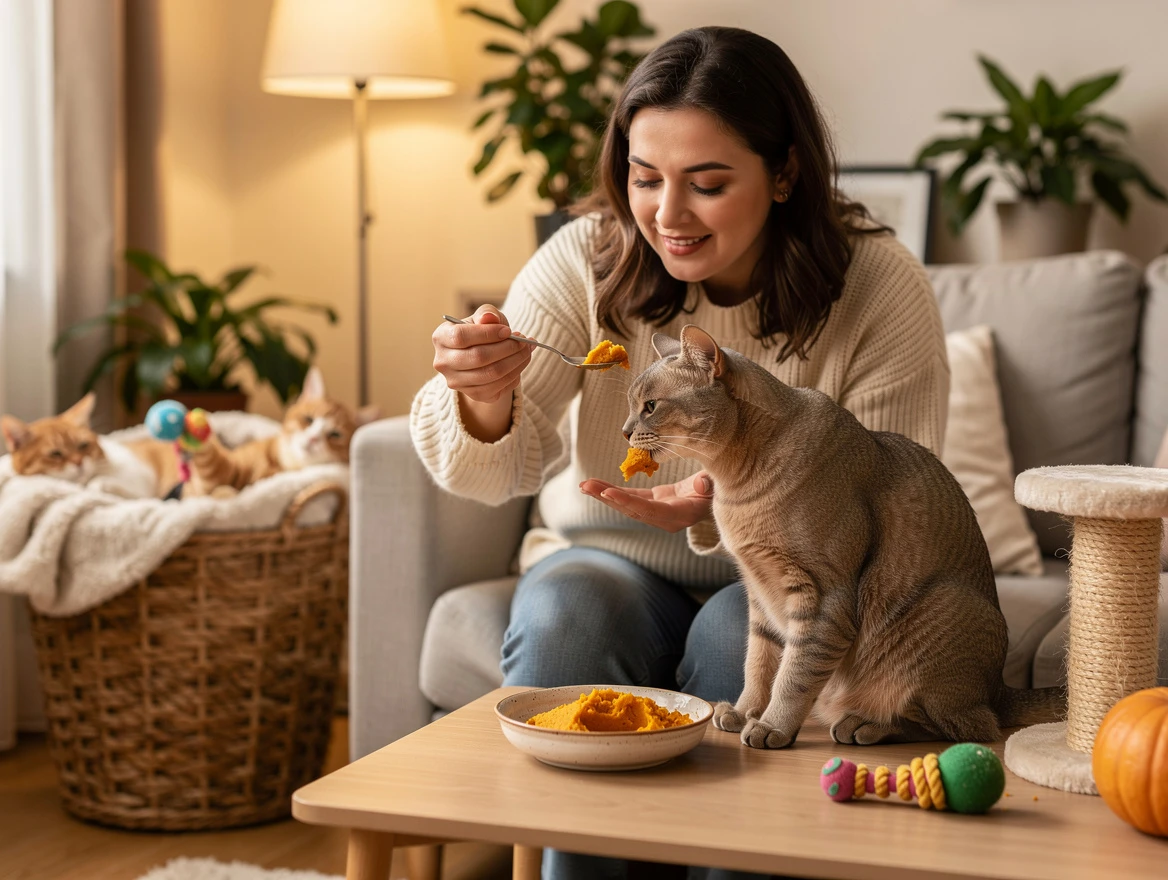
1. Plain Canned Pumpkin
This is the most recommended first step. 1 teaspoon per meal adds fiber and moisture that helps move stool along. Always use plain canned pumpkin, never pumpkin pie filling (which contains sugar and spices).
2. Extra Water and Wet Food
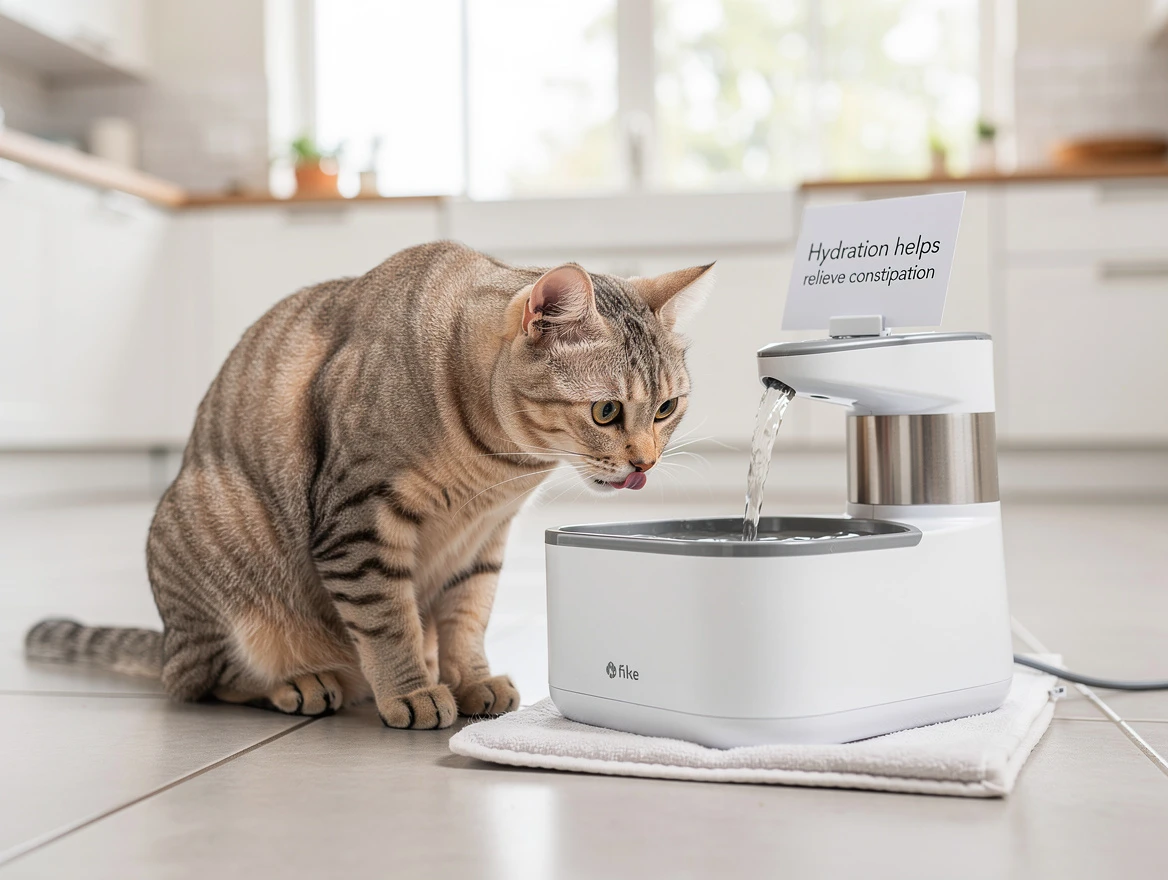
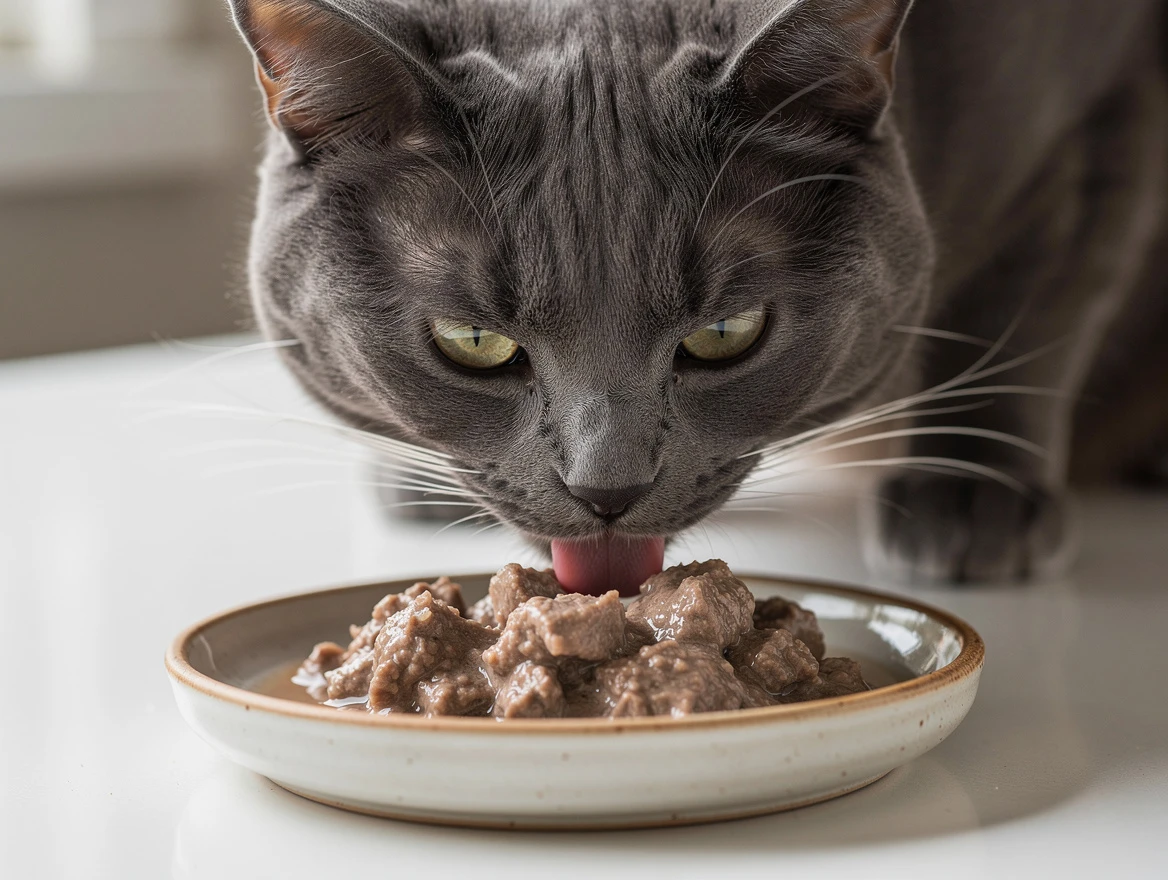
Dehydration is one of the most common contributors to constipation. Switching from dry to wet food and adding a water fountain increases moisture intake significantly, which softens stool naturally.
3. Gentle Exercise
Physical activity stimulates intestinal motility. A few minutes of play with a wand toy can help encourage bowel movement, especially in less active indoor cats.
4. Fiber Supplements
Psyllium husk (in small vet-approved amounts) or a small amount of canned pumpkin combined with a fiber-rich prescription diet can help chronic mild cases.
5. Probiotics
Cat-specific probiotics support healthy gut bacteria, which can improve overall digestive regularity over time, though they work more slowly than pumpkin or oil for acute episodes.
What Can I Give My Cat for Constipation Besides Pumpkin
 Always use plain, canned, 100% pumpkin with no added sugar or spices. If your cat won’t eat pumpkin or you want alternatives:
- Canned pureed squash — similar fiber and moisture profile to pumpkin
- A small amount of canned tuna juice — encourages extra water intake. Related: Can Cats Eat Tuna
- Prescription high-fiber diet — vet-formulated for chronic constipation
- Metamucil (psyllium) in small vet-approved doses — only under veterinary guidance
- Extra wet food meals — increasing overall moisture intake daily
Does Olive Oil Work?
A small amount of plain olive oil mixed into food can act as an occasional mild lubricant, but this isn’t something to dose regularly on your own. If pumpkin and hydration alone aren’t enough and you’re reaching for oil more than once, that’s the point to loop your vet in rather than keep adjusting the amount yourself. Excess oil can cause diarrhea or interfere with nutrient absorption if overused.
How to Make a Cat Poop Instantly
There is no truly “instant” safe method, and this is worth saying clearly: forcing a fast bowel movement with harsh remedies can cause more harm than the constipation itself. The fastest safe combination is:
- 1 teaspoon canned pumpkin mixed into wet food
- A small amount of tuna juice or extra water added to food
- 5–10 minutes of active play to stimulate movement
- Gentle, circular belly massage (only if your cat tolerates handling)
This combination often produces results within a few hours to a day for mild cases, but “instant” relief safely is not realistic, and chasing it with unapproved remedies risks injury.
How to Treat a Constipated Senior Cat Naturally
 Senior cats are especially prone to constipation due to reduced mobility, arthritis affecting litter box posture, dehydration, and slower gut motility. The core steps are the same, pumpkin, hydration, and gentle movement, but with extra attention:
- Use a low-sided litter box that’s easier to access with joint pain
- Increase water sources throughout the home, not just near food
- Switch fully to wet food if not already doing so
- Screen for underlying causes, senior constipation often has a medical root cause, not just diet
Constipation With Kidney Disease
This situation requires extra caution, some fiber supplements and laxatives can affect electrolyte balance, which is already fragile in kidney disease. Do NOT give over-the-counter human laxatives. Always consult your vet before adding pumpkin, oil, or any supplement, since kidney-specific prescription diets already account for fiber and hydration needs.
What Over-the-Counter Medicine Can I Give My Cat for Constipation
| Product | Safe for Cats? | Notes |
|---|---|---|
| Cat-specific laxative (e.g. Laxatone) | ✅ Yes, as directed | Petroleum-based hairball/laxative gel |
| Plain canned pumpkin | ✅ Yes | Safest first-line option |
| Miralax (vet-directed only) | ⚠️ Only with vet guidance | Sometimes prescribed off-label at specific doses |
| Human stool softeners (Colace, etc.) | ❌ Not without vet approval | Dosing differs greatly from human use |
| Human laxatives (Dulcolax, Ex-Lax) | ❌ Never | Can be toxic to cats |
| Mineral oil by mouth | ❌ Never directly | Aspiration risk |
Always default to vet-approved, cat-specific products. Human medications are formulated and dosed for a completely different physiology and can be dangerous.
What Can Make a Cat Constipated Quickly
- Dehydration — insufficient water intake, especially on a dry-food-only diet
- Hairballs — excess ingested fur blocking normal stool passage
- Stress — environmental changes can suppress normal litter box habits. Related: Is My Cat Depressed
- Dirty litter box — cats may hold stool rather than use an unclean box
- Foreign object ingestion — string, small toys, or bones causing a blockage
- Underlying illness — kidney disease, diabetes, or megacolon
- Medication side effects — some medications slow gut motility. Related: How to Give a Cat a Pill
Cat Constipation — When to Worry
🩺 See Your Vet If:
- No bowel movement for 48–72 hours despite home remedies
- Repeated straining with little to no result
- Crying or clear pain signals in the litter box
- Vomiting alongside constipation
- Loss of appetite or lethargy
- Blood in stool or around the anus
- Constipation is a recurring, chronic pattern (possible megacolon)
- Any constipation in a cat with known kidney disease
Common Mistakes
- Using pumpkin pie filling instead of plain pumpkin — added sugar and spices are not appropriate for cats
- Giving human laxatives — many are toxic or improperly dosed for cats
- Overusing oil — excess oil causes diarrhea and reduces nutrient absorption
- Waiting too long to see a vet — 48–72 hours without stool needs professional attention
- Ignoring recurring episodes — chronic constipation often signals an underlying condition worth diagnosing
Frequently Asked Questions
Plain canned pumpkin (1 teaspoon per meal), extra water, wet food instead of dry, and gentle exercise are the safest first steps. A small amount of olive oil can help occasionally. See a vet if there’s no improvement within 48 hours.
Yes. More isn’t better here, exceeding a teaspoon or two per meal can itself cause loose stool or GI upset, essentially overcorrecting the problem. Stick to the recommended amount and give it time to work rather than increasing the dose if you don’t see quick results.
Gentle play to encourage movement, a small circular belly massage if your cat tolerates it, and ensuring good hydration all help stimulate natural bowel movement. Avoid attempting any internal stimulation yourself, that’s a vet procedure only.
The Bottom Line
What can I give my cat for constipation? Start with plain canned pumpkin, extra hydration, and gentle activity. Most mild cases improve within 24–48 hours. If your cat hasn’t had a bowel movement in 48–72 hours, is straining without results, or shows signs of pain, see your vet rather than continuing home remedies.
Related: Cat Has Diarrhea But Acting Normal and Cat Pooping Blood But Acting Normal.