my cat sounds congested when breathing

My Cat Sounds Congested When Breathing: 5 Serious Causes

๐Ÿพ MyPawellness.com โ€” Real Advice from a Real Pet Owner
Cat Health

My Cat Sounds Congested When Breathing: 5 Serious Causes

By Luna Saber | Updated May 2026 | ๐Ÿฑ Owner of 1 dog + 4 cats

When my cat sounds congested when breathing, it almost always means something is disrupting the normal flow of air through the nasal passages. Cats are obligate nose-breathers โ€” they breathe almost exclusively through their noses. So any inflammation, mucus, or blockage shows up immediately as a sound you can hear from across the room. Here is what is actually causing it and exactly what to do.

โšก Quick Answer

When my cat sounds congested when breathing, the most common causes are upper respiratory infections, allergies, asthma, nasal foreign bodies, or heart and lung disease. Most mild cases respond well to home care โ€” but labored breathing, open-mouth breathing, or blue gums require immediate veterinary attention.


Emergency Warning Signs โ€” Act Immediately

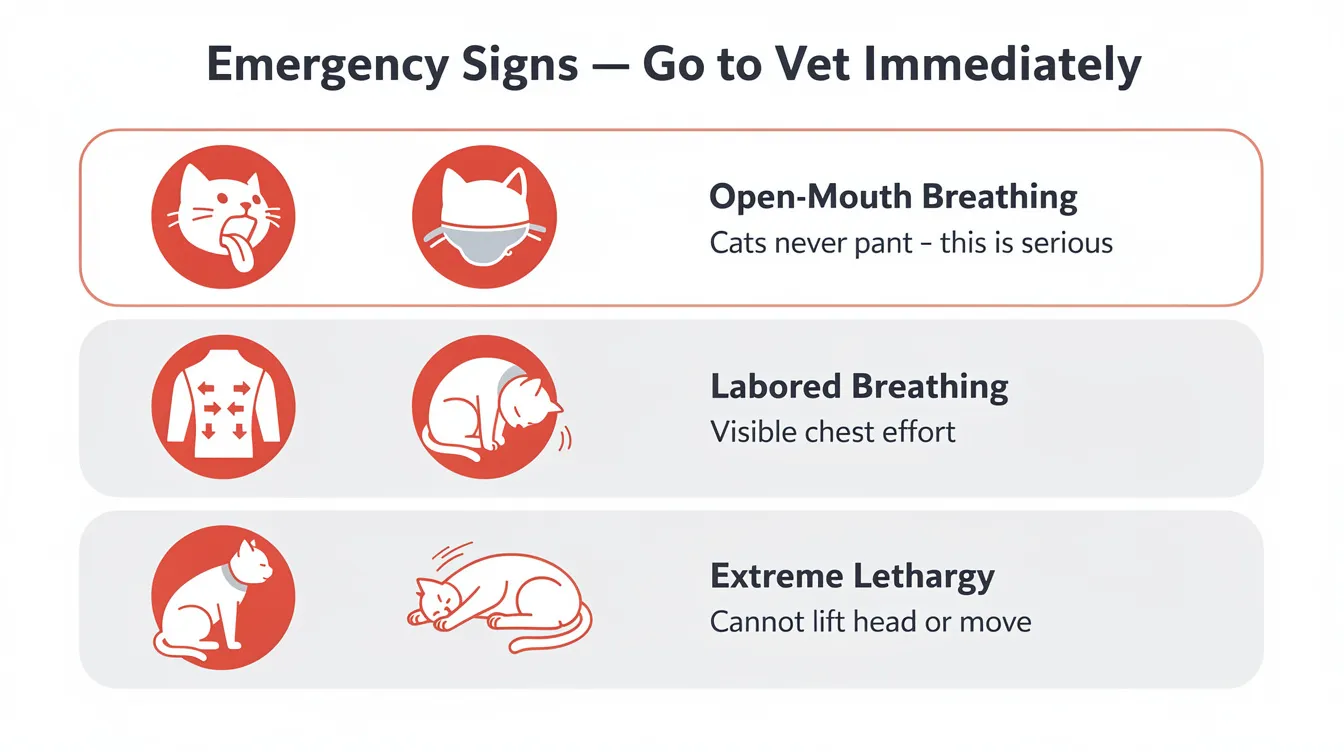
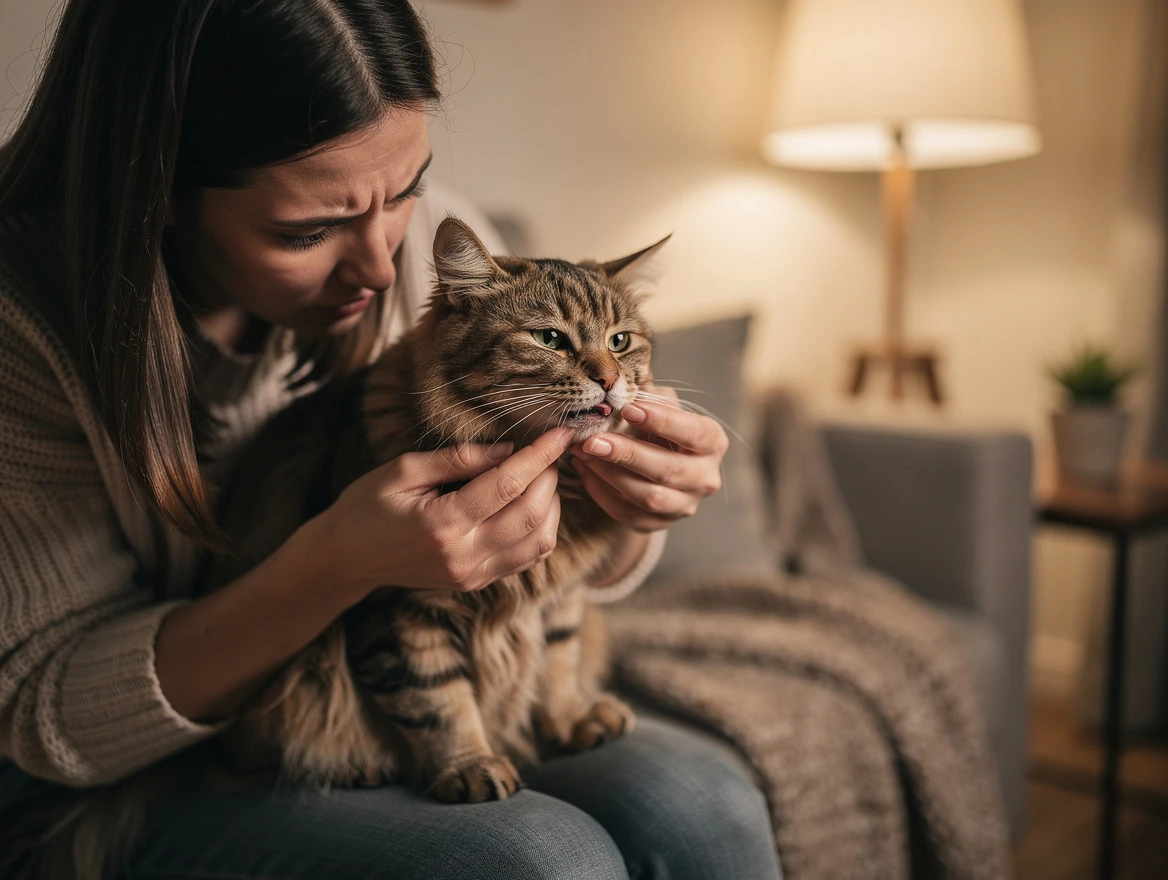
Emergency warning signs when my cat sounds congested when breathing โ€” cat in distress
๐Ÿšจ Go to the Vet Immediately If You See:
  • Open-mouth breathing or panting โ€” cats almost never pant, this is always serious
  • Blue, grey, or pale gums
  • Labored or rapid breathing with visible chest movement
  • Collapse or extreme lethargy alongside breathing changes
  • Neck extended forward with elbows out โ€” a cat actively struggling to get air

These signs indicate airway obstruction, heart failure, or severe respiratory distress. Do not attempt home remedies โ€” go directly to an emergency vet.


At a Glance: What Causes My Cat Sounds Congested When Breathing

Cause Key Symptoms Typical Treatment When to See Vet
Upper Respiratory Infection Sneezing, nasal discharge, congestion Antibiotics if bacterial, supportive care If breathing worsens or appetite drops
Allergies Watery eyes, sneezing, congestion Antihistamines, reduce allergens If persistent or severe
Asthma Wheezing, coughing, labored breathing Steroids, bronchodilators Any breathing difficulty
Heart or Lung Disease Coughing, fatigue, rapid breathing Vet diagnosis required Immediately
Foreign Body or Nasal Tumor One-sided discharge, bleeding, congestion Surgical removal or treatment If symptoms persist beyond 1 week

Why My Cat Sounds Congested When Breathing: 5 Serious Causes

1. Upper Respiratory Infection (URI)

The most common reason my cat sounds congested when breathing is an upper respiratory infection โ€” essentially a cat cold. The main culprits are feline herpesvirus and calicivirus, which cause inflammation and mucus buildup inside the nasal passages and throat.

“My cat Oliver came home from the shelter sounding congested for two weeks. We ran the humidifier constantly and kept him on wet food. He bounced back fully. The vet confirmed it was viral โ€” antibiotics were not needed, just supportive care.” โ€” Luna

Symptoms include sneezing, nasal discharge that can be clear or colored, congested breathing sounds, watery eyes, and sometimes a mild fever. URIs are highly contagious between cats โ€” when my cat sounds congested when breathing, I always isolate them from the others immediately.

โœ… Treatment: Humidifier, hydration, wet food. Antibiotics only if a secondary bacterial infection develops. Always confirm with your vet.

2. Allergies

Cats develop allergies to pollen, dust mites, mold, cigarette smoke, and certain foods. Allergic rhinitis causes the same congested breathing sound as a URI but usually without fever, and typically comes with itchy, watery eyes alongside the congestion.

“Spring allergy season affects two of my four cats every year. Once we added a HEPA air filter and started washing their bedding twice a week, the episodes of my cat sounds congested when breathing dropped significantly.” โ€” Luna

If the congestion is seasonal, improves after cleaning the space, or comes and goes with environmental changes, allergies are very likely the cause.

โœ… Treatment: Reduce allergens, wash bedding frequently, use a HEPA air filter. Veterinary-prescribed antihistamines or corticosteroids for moderate to severe cases.

3. Asthma

Feline asthma causes airway inflammation and narrowing, producing wheezing, coughing, and congested breathing sounds. During an asthma attack, a cat may extend their neck forward and breathe with visible effort โ€” this is always a medical emergency regardless of whether my cat sounds congested when breathing mildly or severely.

Asthma is a chronic condition managed long-term. Common triggers include dusty litter, cigarette smoke, aerosol sprays, and certain cleaning products. Removing those from the home is part of long-term management alongside medication.

โœ… Treatment: Vet-prescribed steroids and bronchodilators. Some cats use a feline-specific inhaler and spacer. Remove all known triggers from the home immediately.

4. Heart or Lung Disease

Heart disease โ€” particularly hypertrophic cardiomyopathy, the most common feline heart condition โ€” and lung disease can cause fluid accumulation around or inside the lungs. This produces congested, labored, or rapid breathing that sounds similar to a URI but does not improve with home care. When my cat sounds congested when breathing and the congestion is getting worse despite supportive measures, heart or lung disease needs to be ruled out.

Warning signs: persistent coughing, fatigue after minimal activity, rapid breathing while resting, or blue-tinged gums. These require immediate veterinary evaluation โ€” X-rays, blood work, and echocardiogram are the standard diagnostics.

โœ… Treatment: Entirely dependent on diagnosis. Requires veterinary management โ€” do not delay seeking care.

5. Nasal Foreign Bodies or Tumors

A blade of grass, a small object, or in older cats a nasal polyp or tumor can cause persistent one-sided congestion that does not resolve with any home care. When my cat sounds congested when breathing and the congestion affects only one nostril, a structural cause becomes much more likely than an infection.

One-sided congestion is often accompanied by pawing at the face, sneezing, and sometimes blood-tinged discharge from one nostril. If these signs are present, imaging is the necessary next step โ€” not more home care.

โœ… Treatment: Surgical removal for foreign bodies or polyps. Tumor treatment depends on type and staging โ€” early diagnosis significantly changes outcomes.
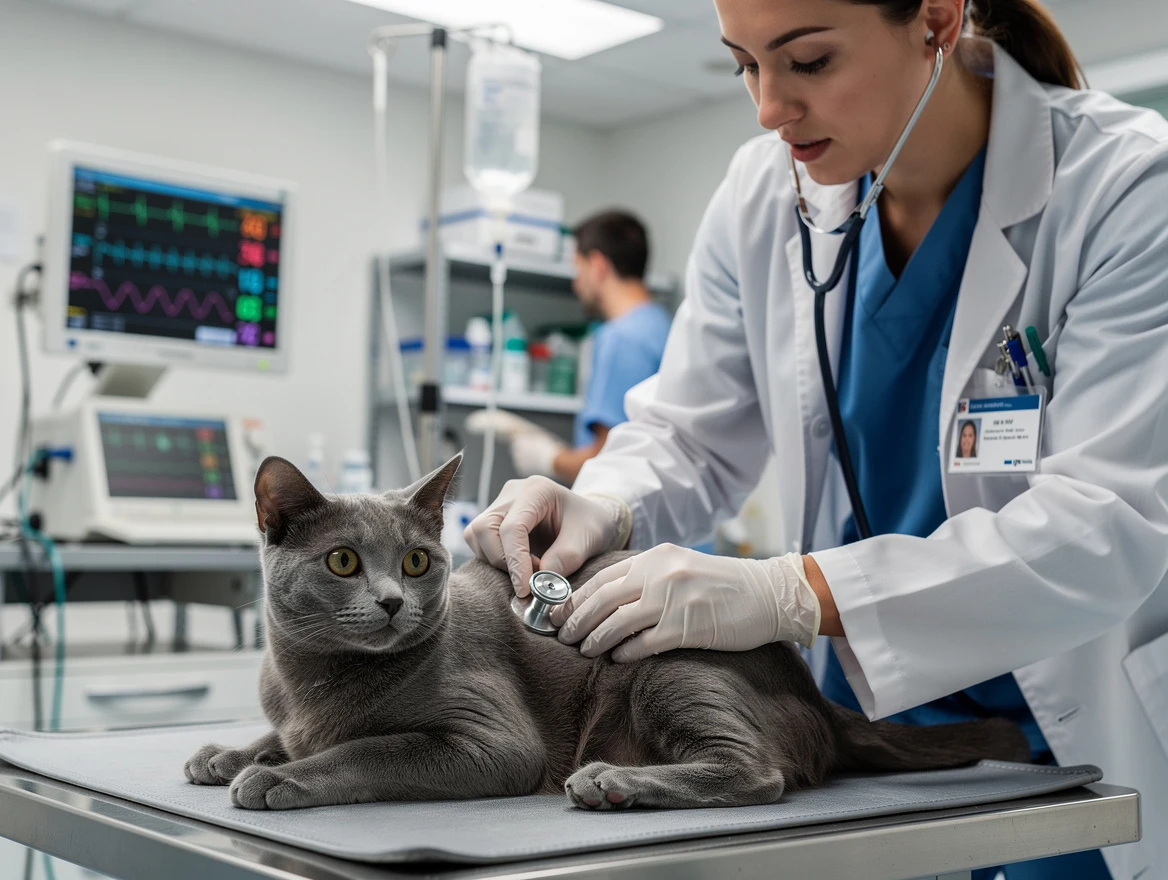
A cat being examined at the vet โ€” checking why my cat sounds congested when breathing

My Cat Sounds Congested But Acting Normal

When my cat sounds congested when breathing but is still eating, playing, and behaving normally, the most likely cause is a mild URI or early-stage allergies. Cats are very good at hiding discomfort, so acting normal does not guarantee everything is fine โ€” it simply means the condition has not yet affected quality of life significantly.

Monitor closely for 24โ€“48 hours. If the congestion stays mild and the cat continues eating and drinking normally, a humidifier and wet food is a reasonable first step. If appetite drops, breathing becomes louder, or discharge appears, contact your vet.

If you are also wondering how long a sick cat can safely be left alone at home, this is covered here: How Long Can You Leave a Cat Alone?


My Cat Sounds Congested But No Discharge

When my cat sounds congested when breathing but there is no visible nasal discharge, the congestion usually points to inflammation or swelling inside the nasal passages rather than a productive infection. Allergies and asthma are the most likely causes โ€” both create airway inflammation that produces sound without necessarily producing discharge.

Dry indoor air can also produce mild congestion sounds, particularly in winter. A cool-mist humidifier often resolves this within 24 hours. If the congestion without discharge persists beyond a week or gets progressively louder, a vet visit is needed to rule out structural causes.


My Cat Sounds Congested When Breathing โ€” Like Snoring

When my cat sounds congested when breathing and it resembles a snoring noise โ€” low, rattling, or rumbling โ€” there is usually partial obstruction somewhere in the upper airway. Mucus in the nasal passages, soft tissue swelling from inflammation, or breed-related anatomy in flat-faced cats like Persians and Himalayans are the most common causes.

Occasional snoring-like sounds during sleep are not usually concerning, especially in brachycephalic breeds. Snoring-like sounds while the cat is awake and at rest โ€” particularly if new or getting louder โ€” warrant a vet check.


My Cat Is Breathing Loudly Through Nose

Loud nasal breathing โ€” known medically as stertor โ€” is the low-pitched sound produced when something partially blocks the upper airway. When my cat sounds congested when breathing with this loud nasal quality, it is almost always an upper respiratory issue or structural problem rather than a lower airway problem.

Stertor alongside normal behavior usually indicates a manageable upper respiratory issue. Stertor combined with lethargy, open-mouth breathing, or visible chest effort is a veterinary emergency. The same sound carries very different urgency depending on what else is happening at the same time.


My Cat Sounds Congested When Breathing Through Nose

Because cats breathe almost exclusively through their noses, when my cat sounds congested when breathing through the nose it is the default presentation for any upper respiratory issue. Inflammation narrows the nasal passages and air forced through that restricted space creates the congested sound you are hearing.

Steam therapy is the most effective immediate relief for this specific type of congestion. Running a hot shower and sitting with the cat in the bathroom for 10โ€“15 minutes allows warm humid air to loosen mucus and reduce nasal swelling. The relief is usually noticeable within minutes.


My Cat Sounds Congested When Breathing In Through Nose

When my cat sounds congested when breathing specifically on the inhale โ€” the sound is most prominent as the cat breathes in โ€” the obstruction is most likely inside the nasal passages themselves. A sound heard on the exhale instead more often points to lower airway involvement in the lungs.

Congested sound on inhale plus sneezing plus discharge points strongly to a URI. A congested inhale sound alone โ€” especially one-sided and persistent despite treatment โ€” is worth imaging to rule out a polyp or foreign body.


Why Does My Cat Sound Nasally When He Breathes?

A nasal, muffled quality to the breathing means the resonance of the nasal passages is being changed by something inside them. When my cat sounds congested when breathing with this specific muffled quality, it tells me the space where sound normally resonates has been partially filled with mucus or narrowed by swelling.

Nasally breathing that comes on suddenly is almost always a URI or acute allergic response. Nasally breathing that develops gradually over weeks in an older cat warrants more investigation โ€” it can be an early sign of a nasal mass or dental abscess extending into the nasal cavity.


What Are the Signs That Your Cat Is Going to Pass Away?

This question is often searched alongside congestion concerns because severely ill cats frequently develop labored breathing in their final days. The signs that a cat may be approaching the end of life include:

  • Labored, slow, or irregular breathing โ€” sometimes with long pauses between breaths
  • Extreme lethargy โ€” the cat cannot or will not lift their head
  • Complete refusal of food and water for more than 24โ€“48 hours
  • Body temperature dropping โ€” paws and ears feel cool to the touch
  • Withdrawal โ€” hiding in dark, quiet spaces and not responding to interaction
  • Loss of bladder and bowel control
  • Blue, white, or very pale gums

If a cat is showing several of these signs alongside congested breathing, contact your vet immediately. They can help you understand what is happening and guide you toward the most compassionate next step.


My Cat Sounds Congested When Breathing โ€” Treatment Options

Condition Home Care Veterinary Treatment Typical Duration
URI Humidifier, hydration, wet food Antibiotics if bacterial 7โ€“14 days
Allergies Remove allergens, HEPA filter Antihistamines, corticosteroids Weeks to months
Asthma Remove triggers, no aerosol sprays Steroids, bronchodilators, inhaler Chronic management
Heart or Lung Disease Supportive care only Medications, diagnostics Chronic, variable
Foreign Body or Tumor None effective Surgery, imaging, chemotherapy if needed Variable

What to Do at Home When My Cat Sounds Congested When Breathing

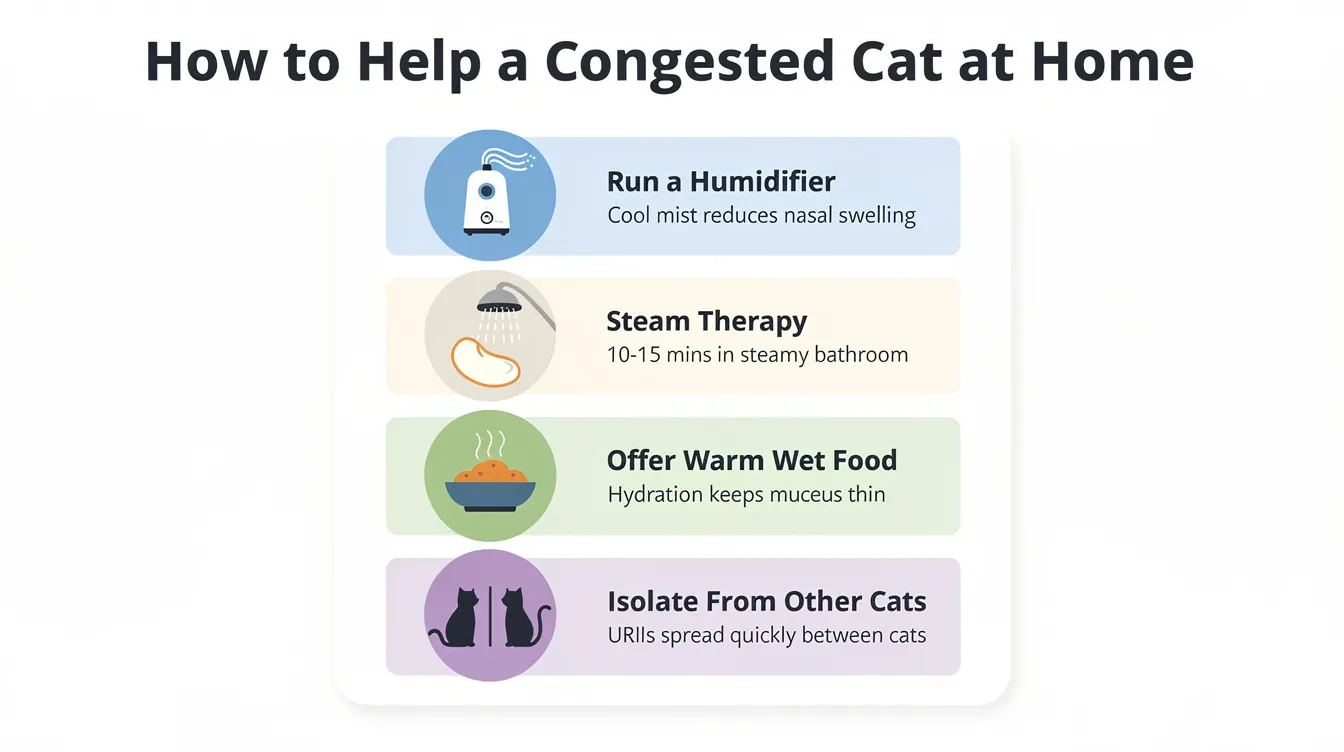
How to help a congested cat at home โ€” proven tips when my cat sounds congested when breathing

Run a Humidifier

A cool-mist humidifier in the room where the cat sleeps adds moisture to the air and helps loosen mucus in the nasal passages. This is the single most effective home step when my cat sounds congested when breathing due to a URI. Run it continuously during the acute phase of illness.

Try Steam Therapy

Run a hot shower until the bathroom fills with steam, then sit with the cat in the room for 10โ€“15 minutes. The warm humid air loosens congestion quickly. Do this two to three times a day. Never put the cat directly under running water โ€” just let them breathe the steam.

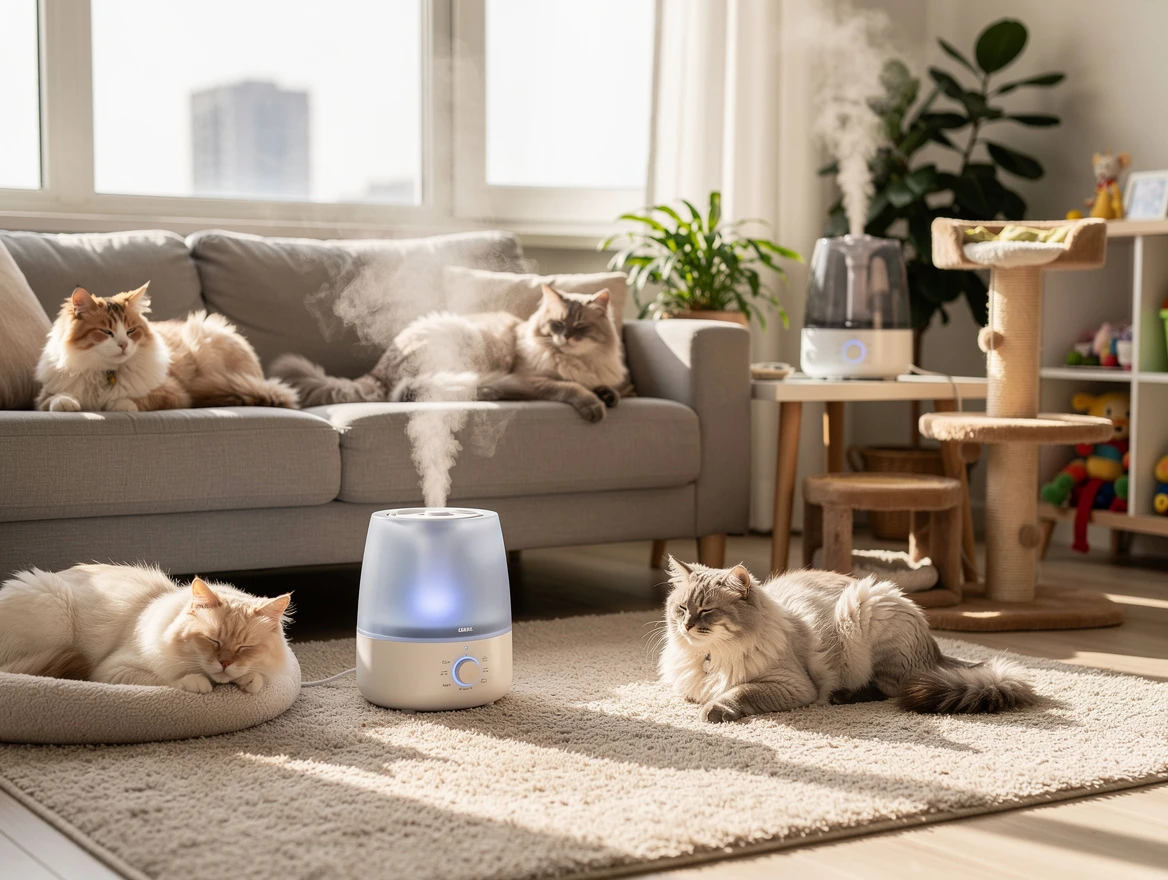
Cats sitting on the couch with a humidifier changing the atmosphere โ€” home care for congested cats

Offer Wet Food and Fresh Water

Hydration keeps mucus thin and easier to clear. Congested cats often lose their appetite because they cannot smell their food well โ€” warming wet food slightly intensifies the aroma and encourages eating even when the nose is partially blocked.

Keep the Nostrils Clean

Gently wipe away any discharge around the nostrils with a soft, damp cloth. Dried discharge can crust over and make breathing harder. Do this a few times a day, very gently, using a warm damp cloth or cotton pad.

Isolate From Other Cats

If the cause is a URI, it spreads easily between cats through sneezing and shared surfaces. Keep the sick cat in a separate room with their own food, water, and litter box until they have been symptom-free for at least 48 hours.

When a cat is unwell, knowing how long they can safely be left alone matters too โ€” read: How Long Can You Leave a Cat Alone?


Common Mistakes Cat Owners Make With Congested Cats

  • โŒ Giving human cold or allergy medicine โ€” many are toxic to cats. Never give any human medication without explicit veterinary approval. Acetaminophen is fatal to cats even in small amounts.
  • โŒ Waiting too long to see the vet โ€” when my cat sounds congested when breathing and it does not improve in 3โ€“5 days, or appetite drops, that needs a vet visit not more home care.
  • โŒ Not isolating a sick cat โ€” URIs spread quickly in multi-cat households. Isolation is not optional.
  • โŒ Ignoring one-sided congestion โ€” congestion in only one nostril needs imaging, not just home care.
  • โŒ Assuming improvement means full recovery โ€” feline herpesvirus stays dormant and can flare up again during stress even after apparent recovery.

If your dog is also showing respiratory symptoms at the same time: My Dog Has a Dry Cough and Then Gags


๐Ÿฉบ When to See a Vet โ€” My Cat Sounds Congested When Breathing

  • Any open-mouth breathing, blue gums, or labored breathing โ€” go immediately
  • Congestion lasting more than 5โ€“7 days without improvement
  • Appetite loss lasting more than 24 hours alongside congestion
  • One-sided nasal discharge or bleeding from one nostril
  • Congestion in a kitten, senior cat, or a cat with an existing health condition
  • Worsening symptoms despite consistent home care

Frequently Asked Questions

My cat sounds congested when breathing โ€” should I be worried?

Mild congestion with normal behavior and appetite is usually a URI or allergies. Monitor closely and support with humidity and wet food. Be more concerned if the congestion comes with labored breathing, blue gums, extreme lethargy, or complete food refusal โ€” those require immediate veterinary attention.

My cat sounds congested when breathing but is still eating โ€” is that okay?

This typically points to an early or mild URI or allergy response. Monitor for 24โ€“48 hours. If appetite drops or breathing becomes louder or more labored at any point, contact your vet.

How can I tell if my cat’s congested breathing is serious?

The clearest red flags are open-mouth breathing, visible chest effort, blue or pale gums, and extreme lethargy. Any of those alongside congestion means emergency vet care immediately โ€” do not wait.

Can cats catch congestion from other cats?

Yes โ€” upper respiratory infections spread easily through sneezing, shared bowls, and direct contact. Isolate any cat showing symptoms immediately and keep them separated until fully recovered.

How to fix nasal congestion in cats at home?

A cool-mist humidifier, steam therapy, warm wet food, and gentle cleaning of the nostrils are the most proven home measures. A vet visit is still needed if symptoms persist beyond 5โ€“7 days or worsen at any point.

How long does congestion last in cats?

URI-related congestion typically resolves within 7โ€“14 days. When my cat sounds congested when breathing and it has not improved after 7โ€“10 days, that needs a veterinary evaluation to determine the actual cause.

What should I never give my cat for congestion?

Never give human cold medicines, decongestants, or antihistamines without veterinary guidance. Acetaminophen is fatal to cats even in very small amounts. Only give medications specifically prescribed by your vet.

Is congested breathing related to other behavior changes?

Yes โ€” a congested cat that is also biting more, hiding, or grooming differently may be communicating discomfort in multiple ways. Read: Why Does My Cat Bite Me Gently Out of Nowhere?


The Bottom Line

When my cat sounds congested when breathing, the cause almost always falls into one of five categories: upper respiratory infection, allergies, asthma, heart or lung disease, or a nasal foreign body or tumor. Most cases are mild and respond well to home care and early veterinary treatment.

Start with the basics โ€” humidifier, wet food, steam therapy, and close monitoring. If my cat sounds congested when breathing and it is not improving within 5โ€“7 days, or if any emergency warning signs appear, call your vet. Early attention leads to better outcomes every time.

๐Ÿพ
Luna Saber โ€” Pet Owner and Writer

Real experiences from life with 1 dog and 4 cats in a NYC apartment. Not a vet โ€” just someone who has navigated these situations many times and done the research. Always consult your vet for medical decisions about your specific pet.

This article is for educational purposes only and does not replace professional veterinary advice. If your cat’s breathing is labored, worsening, or accompanied by other symptoms, consult a licensed veterinarian immediately.


Related Articles

Cat Health
Cat Sneezing: Vital Facts

Causes, treatments, and when to worry.

Cat Health
Cat Vomiting White Foam

What it means and when to act.

Cat Behavior
Why Does My Cat Bite Me Gently Out of Nowhere?

7 real reasons behind gentle cat biting.

Dog Health
My Dog Has a Dry Cough and Then Gags

Causes and what to do.