Why is my cat throwing up? A cat vomiting occasionally isn’t usually cause for panic — but figuring out why it’s happening makes a real difference in how you respond. Some causes clear up on their own within a day. Others need a vet visit that same week. Here’s how to tell the difference, plus the 10 most common reasons behind it.
Vomiting or Regurgitation? The Difference Matters
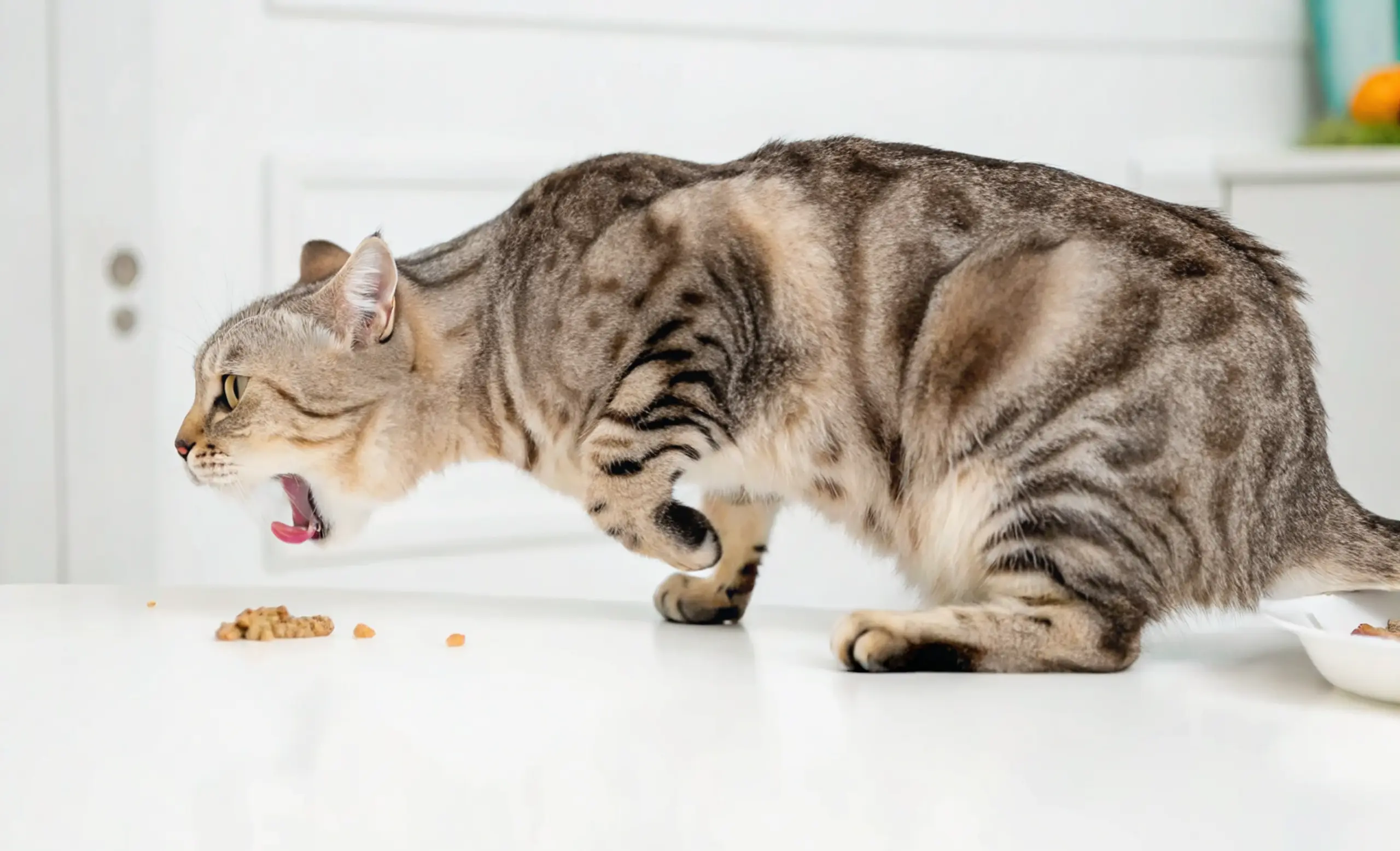
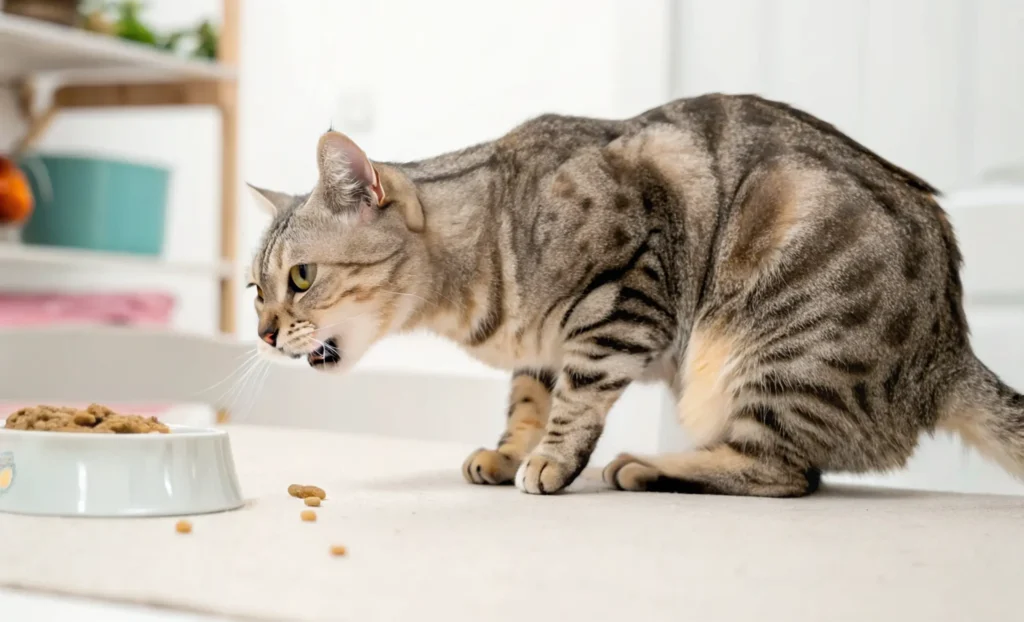
Before you can figure out what’s wrong, it helps to know which one you’re actually seeing. True vomiting involves visible abdominal heaving and retching sounds, and what comes up is partially digested. Regurgitation is passive — food comes back up in a tube-like shape shortly after eating, with no heaving at all.
The reason this distinction matters: vomiting usually points to something going on in the stomach or digestive tract, while regurgitation is more often about eating too fast or an issue with the esophagus. Telling your vet which one you observed will speed up diagnosis considerably.
What the Vomit Looks Like Matters Too
Beyond the cause, the appearance of what comes up is one of the fastest ways to narrow things down — and it’s often what people actually notice first.
Clear liquid or foamy white vomit usually means an empty stomach — stomach acid with nothing to work on. Occasional, in an otherwise normal cat, isn’t urgent; frequent is worth mentioning to your vet. If this is the pattern you’re seeing most, we cover it in detail in Cat Vomiting White Foam.
Undigested food, especially if it comes up shortly after eating and still looks like recognizable kibble or chunks, usually points to eating too fast or regurgitation rather than true vomiting. If this happens consistently right after meals, a slow-feeder is worth trying before anything else.
Yellow liquid is bile, and it typically shows up when the stomach has been empty for a while — commonly overnight. A small snack before bed or splitting meals into smaller portions usually fixes it (see the FAQ below for more).
Vomit with visible hair is, unsurprisingly, a hairball. If it’s tube-shaped and clumped rather than liquid, that’s your answer.
If you’re ever unsure what you’re looking at, a photo for your vet (unpleasant as that sounds) genuinely helps them narrow things down faster over the phone than a description alone.
Why Is My Cat Throwing Up? The 10 Most Common Causes
1. Eating too fast is by far the most common reason in otherwise healthy cats. Cats who inhale their food swallow air along with it, and the stomach sends everything right back up — usually looking barely digested. A slow-feeder bowl or spreading food across a flat plate solves this in most cases.
2. Hairballs come from the fur cats swallow during grooming. Most of it passes through fine, but some builds up and has to come back out. This is especially common in long-haired cats and isn’t usually a concern unless it’s happening more than once a week — at which point more frequent brushing or a hairball-formula food can help.
3. Dietary indiscretion is the polite way of saying your cat ate something they shouldn’t have — table scraps, a houseplant, spoiled food, or occasionally something non-food entirely. If you suspect they swallowed string, ribbon, or a small object, don’t wait to see if it comes back up on its own; that can cause a dangerous blockage, and it’s worth a same-day call to your vet.
4. Food sensitivities tend to show up as repeated vomiting of undigested food, often triggered by common proteins like chicken, beef, fish, or dairy. Identifying the trigger usually means an elimination diet — feeding a single novel protein for 8–12 weeks — which your vet can help you plan properly.
5. Inflammatory bowel disease (IBD) is a real possibility if vomiting keeps recurring over weeks or months, often alongside diarrhea and weight loss. It’s diagnosed through biopsy and managed with prescription diets and sometimes steroids. The good news: most cats with IBD go on to live comfortably once it’s under control.
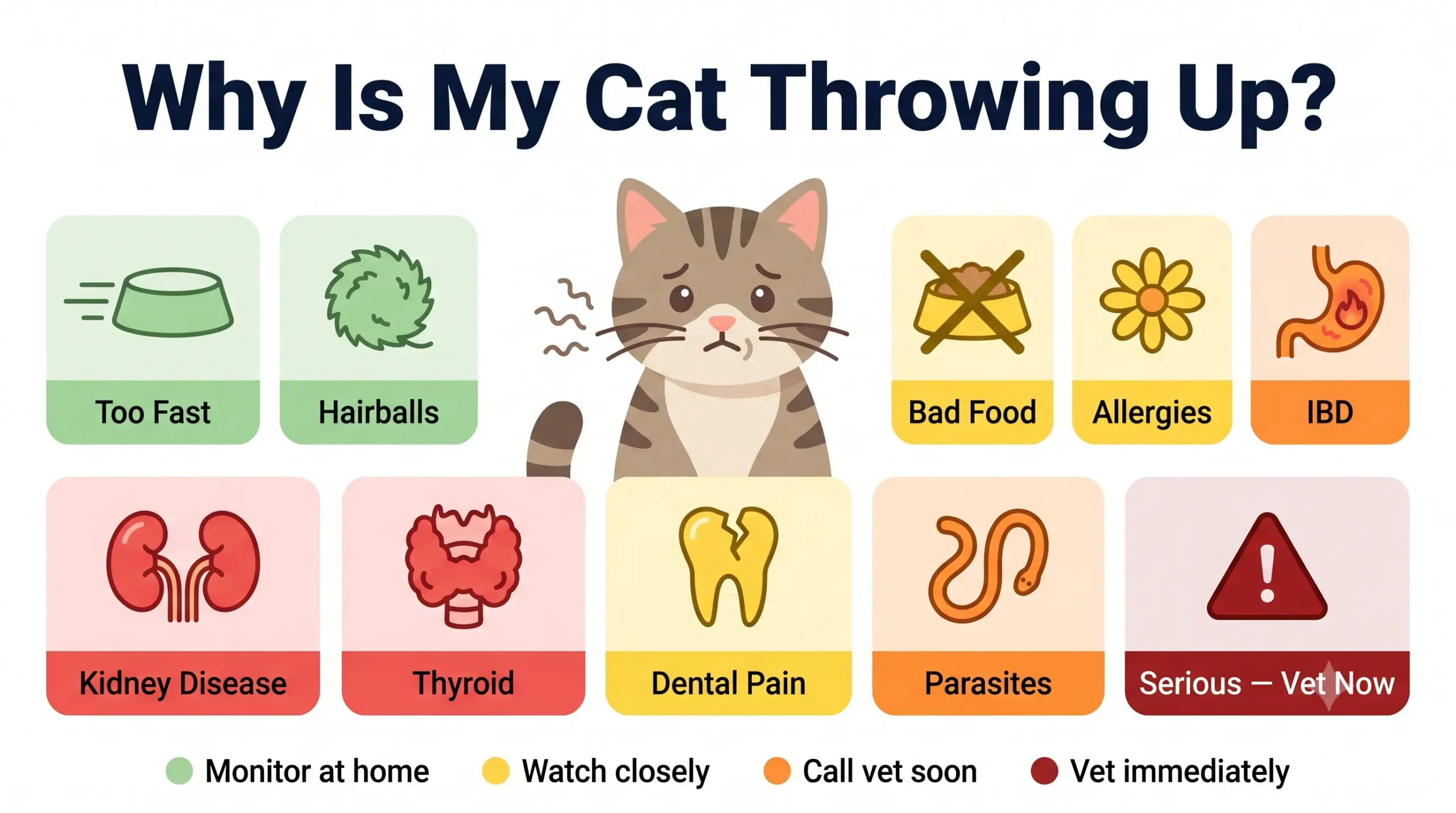
6. Kidney disease becomes increasingly common past age 7. As the kidneys lose their ability to filter toxins, nausea and vomiting often follow — frequently first thing in the morning. Watch also for increased thirst, more frequent urination, and gradual weight loss. By the time symptoms are visible, a significant portion of kidney function is often already gone, which is why routine senior bloodwork matters so much. Related: Signs of Kidney Failure in Cats.
7. Hyperthyroidism speeds up the whole body, digestion included. The telltale combination is vomiting plus a ravenous appetite that somehow still comes with weight loss, along with restlessness and more vocalizing than usual. It’s diagnosed with a simple blood test and responds very well to treatment.
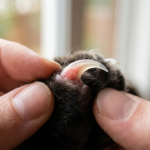
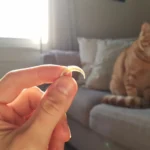
8. Dental pain changes how cats eat — too fast, or dropping food mid-chew — which can trigger vomiting as a side effect. A loose or broken tooth is a common culprit. If you’re also noticing drooling or reluctance to eat, it’s worth a look; we’ve covered what to do about a loose tooth and a lost fang tooth in more depth elsewhere.
9. Intestinal parasites like roundworms, hookworms, or tapeworms irritate the gut and cause vomiting. Outdoor and young cats are at higher risk, though indoor cats can still pick up parasites from insects or rodents. Regular deworming prevents this almost entirely.
10. Serious underlying conditions — intestinal lymphoma, pancreatitis, or a physical blockage — can be behind persistent vomiting that doesn’t fit any of the causes above. If episodes continue or your cat seems to be getting worse, imaging and bloodwork are the next step, and catching these early makes a real difference in outcome.
Caring for a Vomiting Cat at Home
If your vet has confirmed home care is appropriate, a few things help: withholding food (not water) for about 12 hours gives the stomach time to settle — though never fast kittens or diabetic cats. When you reintroduce food, start small with something bland like plain boiled chicken, offered a tablespoon at a time. Keep water available throughout, and if your cat seems reluctant to drink, a water fountain sometimes helps more than a bowl.
It’s also worth jotting down when episodes happen and what they look like — that kind of detail is genuinely useful if you do end up at the vet.
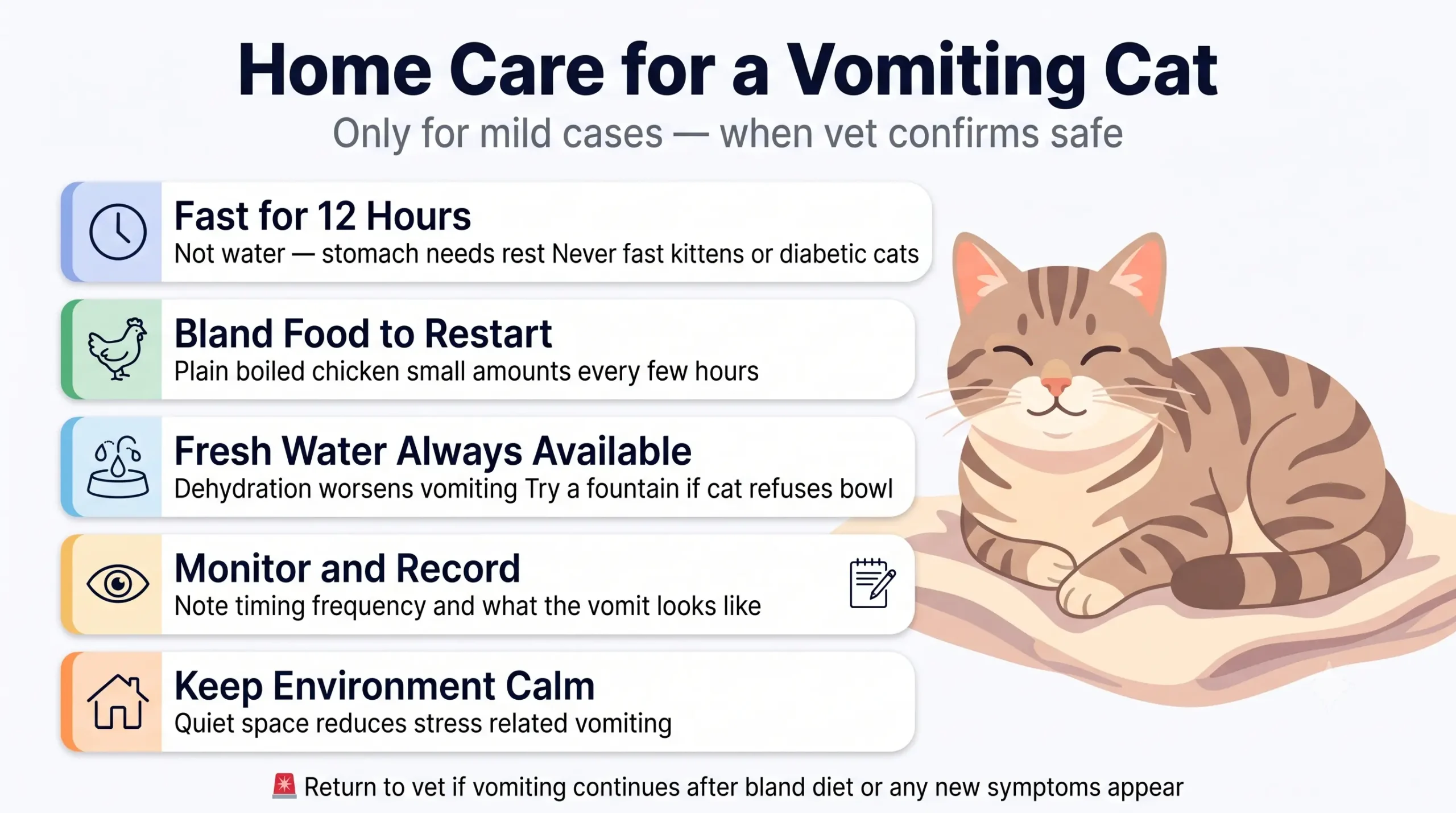
If symptoms come back after trying the bland diet, or your cat won’t eat for more than 24 hours, home care isn’t enough anymore — that’s the point to call your vet.
A Few Questions I Get Asked a Lot
My cat keeps throwing up but seems fine — should I still worry? Usually not, if it’s a one-off. Eating too fast, hairballs, or mild food sensitivity are the most likely explanations when a cat is still eating, drinking, and acting normal. Give it 24–48 hours and call your vet if it keeps happening.
Why does my cat throw up right after eating? This is almost always about speed, not the food itself — cats who eat too fast swallow air and overwhelm the stomach before it can keep up. A slow-feeder bowl or smaller, more frequent meals usually resolves it within days.
Why does my cat throw up yellow stuff in the morning? That’s usually bile, and it happens when the stomach sits empty too long overnight. A small snack before bed, or splitting meals into smaller portions throughout the day, often fixes it. If it persists despite that, get it checked.
Can stress actually cause vomiting? Yes — moving, new pets, loud noises, or a disrupted routine can all trigger it. Reducing stressors and keeping things consistent usually helps; if it doesn’t, your vet may suggest calming support.
So, why is my cat throwing up? Most of the time, it has a clear explanation once you pay attention to the pattern — how often it happens, what comes up, and what else is going on. Occasional and mild usually isn’t urgent. Frequent, bloody, or paired with other symptoms always is.