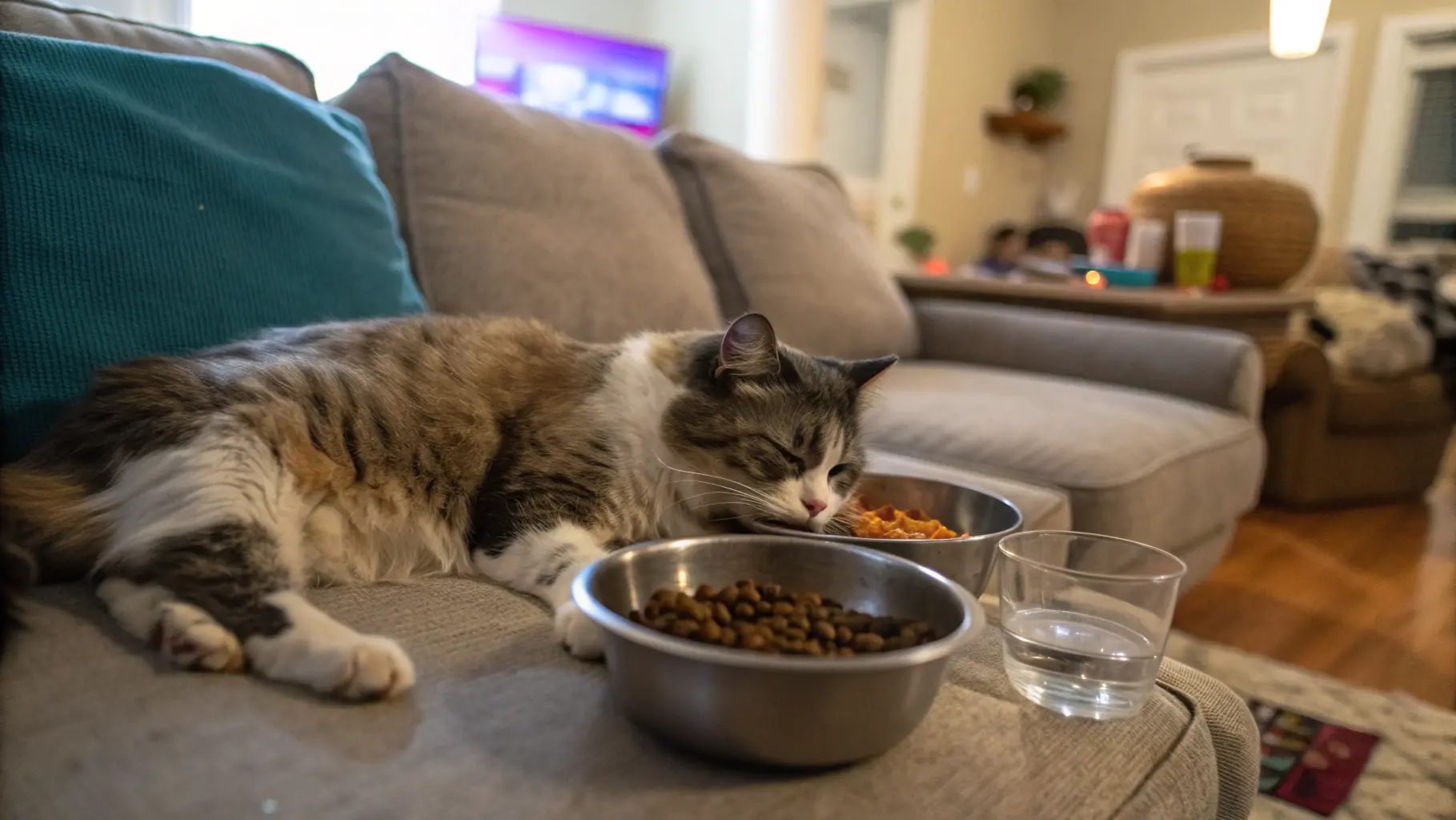
My cat is lethargic but eating and drinking, and that combination is exactly what makes this situation so confusing. Your cat shows up for every meal, empties the water bowl, and then goes straight back to sleeping in the corner — and you can’t tell if something is seriously wrong or if they’re just having a slow week. I’ve been in this exact place with multiple cats over the years.
What I’ve learned is that this specific pattern almost always means something, even when it doesn’t look alarming.
This guide covers the most common causes, what my vet explained each time, and the exact framework for deciding whether this is a watchful-waiting situation or a same-day vet call. It also addresses what I see asked constantly online, because the answer is different depending on age and accompanying signs.
My cat is lethargic but eating and drinking usually signals mild to moderate illness, hidden pain, early chronic disease, or stress. Eating and drinking are genuinely positive signs, but lethargy in cats is never normal and shouldn’t be dismissed as the cat just being lazy.
If the low-energy pattern persists beyond 24 to 48 hours or appears alongside any other symptoms, a vet visit is the right call.
⚠️ Emergency Warning Signs — Act Immediately
This pattern in most cases points to something manageable — but these specific signs alongside the lethargy mean emergency care right now:
- Vomiting or diarrhea lasting more than 24 hours alongside the lethargy
- Difficulty breathing, open-mouth breathing, or labored chest movement
- Pale, white, yellow, or blue-tinged gums
- Seizures or sudden loss of coordination
- Complete collapse or inability to stand
- No urination for more than 24 hours — especially in male cats, this is a life-threatening emergency
- Signs of toxic ingestion — if your cat has had access to plants like lilies, see our guide on what happens when a cat eats a lily and act immediately
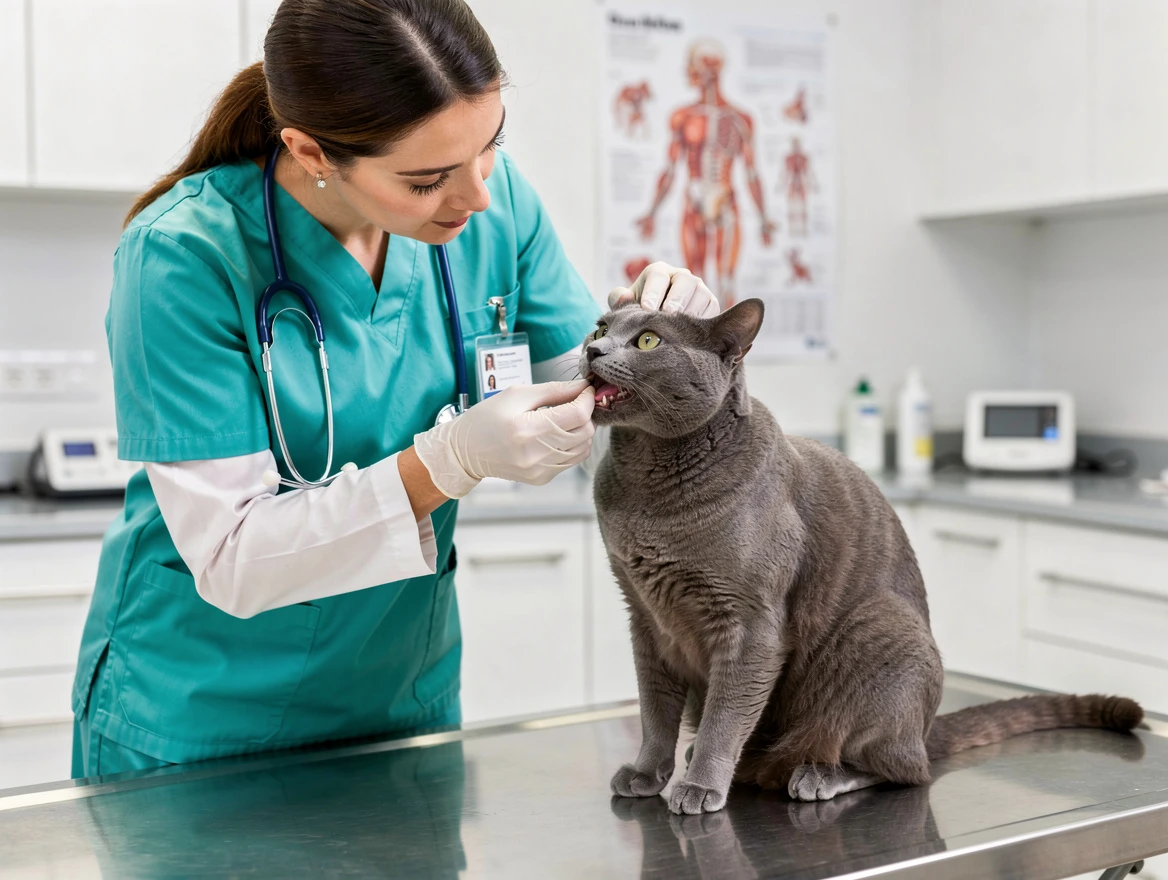
At a Glance: Causes and Actions
| Cause | Key Signs | Action |
|---|---|---|
| Mild infection or illness | Slight fever, sneezing, coughing | Monitor for 24 hours, vet if worsens |
| Pain or injury | Limping, hiding, sensitivity to touch | Limit activity, vet diagnosis |
| Anemia or blood disorders | Pale gums, breathlessness, weakness | Vet diagnostics, blood tests |
| Kidney or liver disease | Increased thirst, weight loss | Vet visit within 24 hours |
| Diabetes mellitus | Increased drinking and urination | Vet diagnostics, glucose testing |
| Stress or environmental change | Behavior changes, appetite normal | Reduce stressors, maintain routine |
| Parasites including fleas | Scratching, skin changes, coat dullness | Check for fleas, vet treatment |
What Does Lethargic Mean in Cats?
This is worth answering clearly before worrying about causes. A cat that’s lethargic is different from one that’s just relaxed or resting after play. Lethargy in cats means a genuine reduction in energy, responsiveness, and willingness to engage, not just sleeping more than usual one afternoon.
A sleepy cat wakes up alert and engages normally when stimulated. A lethargic cat is slow to respond, uninterested in play or interaction, and may not react to sounds or activity that would normally get their attention.
Sleeping more than usual while still eating is sometimes normal in older cats, but it’s always worth monitoring — it’s also the first sign of several treatable conditions.
Occasional quieter days are normal, but consistent lethargy across multiple days is not. Cats are naturally active and curious, and a sustained reduction in that baseline is a signal worth taking seriously even when everything else, like eating and drinking, appears normal.
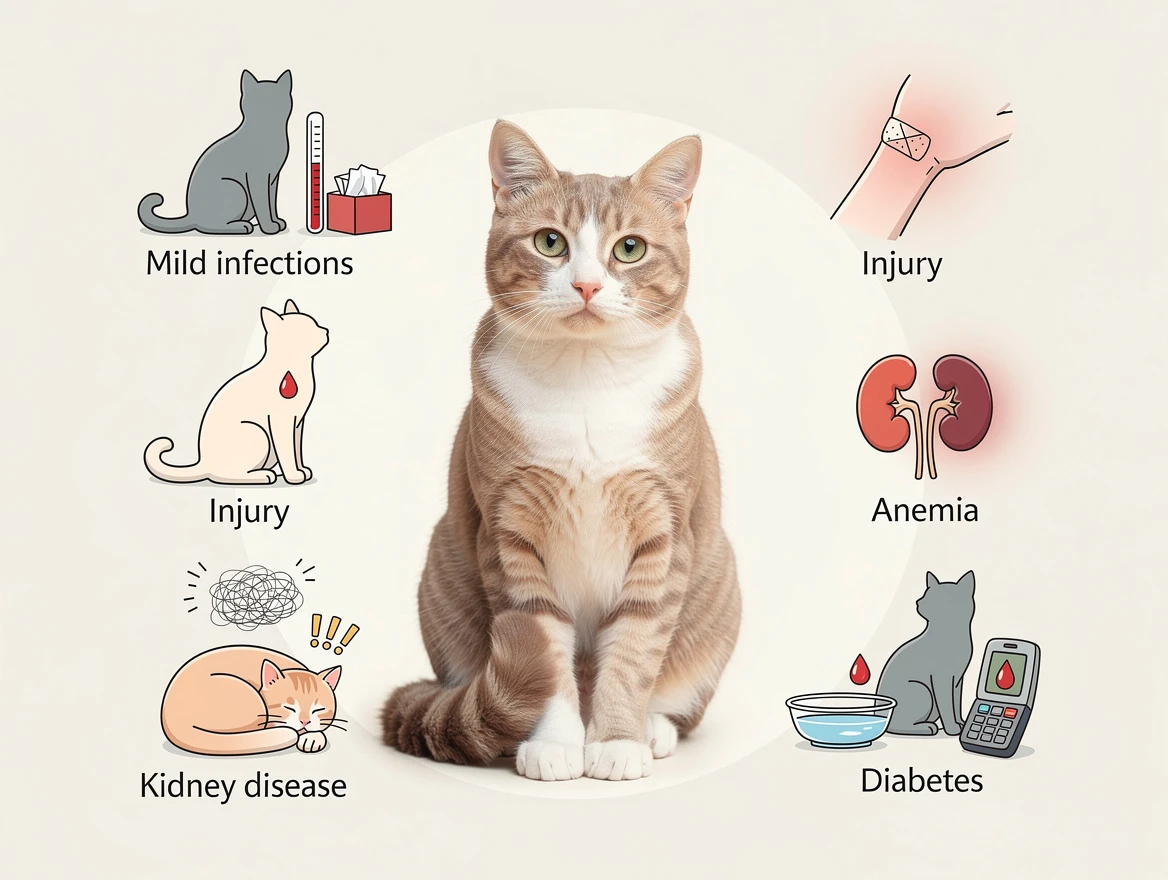
6 Common Cat Lethargy Causes
The pattern of lethargy with normal eating and drinking points to one of these six causes in the vast majority of cases. The key is recognizing which one fits your cat’s specific pattern of symptoms:
Mild Infection or Illness
A mild respiratory infection, urinary tract infection, or early-stage viral illness commonly produces this exact pattern. The immune system is using energy to fight the infection, which reduces general activity and interest in play while the appetite remains intact. One of my cats went through exactly this — sleeping twice as much as usual, eating every meal, turned out to be a UTI that cleared with a short antibiotic course. Signs at this stage are often subtle: slightly faster breathing, a mild warmth to the ears, or less enthusiasm when called.
Pain or Hidden Injury
Cats are evolutionarily wired to hide pain, which makes this one of the most common presentations of chronic pain. A cat with dental disease, arthritis, or an internal injury will reduce activity significantly while maintaining appetite. In older cats, this is often arthritis — they eat and drink, they purr, but they move less and avoid jumping. If your cat has started limping or favoring a leg alongside the lethargy, pain is the most likely explanation.
Anemia or Blood Disorders
Anemia causes a cat to feel genuinely exhausted because their blood can’t carry enough oxygen to muscles and organs. Lethargy with pale gums is the classic anemia presentation — appetite is unaffected, but the tissues aren’t getting enough oxygen, so the cat tires quickly and rests more. Anemia itself is usually secondary to another condition like kidney disease, flea infestation, or an immune disorder. Check gums — they should be pink and moist. White, grey, or very pale gums are an emergency regardless of whether your cat is eating.
Kidney or Liver Disease
Early kidney and liver disease are among the most common causes of a tired cat that’s still eating — both organs accumulate toxins slowly, and the fatigue comes before the appetite loss in most cases. Increased thirst and urination alongside lethargy is the classic early kidney disease pattern. One of my cats had this exact presentation for two weeks before blood tests confirmed early kidney disease. Caught at that stage, dietary management extended his quality of life significantly.
Diabetes Mellitus
A diabetic cat often eats and drinks more than usual while simultaneously losing energy and body weight. Low energy with increased thirst is a classic diabetes presentation. If you’ve noticed your cat drinking noticeably more water alongside the lethargy, diabetes belongs on the list of possibilities. Related: Cat Diabetes Symptoms.
Stress and Environmental Changes
A new pet, a house move, a new baby, or even rearranged furniture can produce this exact response. Stress in cats suppresses general activity and playfulness while typically leaving appetite intact. Lethargy alongside purring, particularly in a recently changed environment, is often stress — the purring suggests the cat is self-soothing rather than being in acute distress. Maintain routine and reduce environmental triggers for several days before concluding stress is the cause.
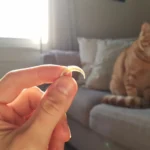
One cause that’s often overlooked is parasites. A significant flea burden depletes energy through chronic blood loss and constant irritation. If your cat is lethargic and has been scratching more than usual, check for fleas using the flea comb and white paper method before concluding the lethargy is from an internal cause.
Lethargic but Not Sick — Is That Possible?
Genuinely possible — not every episode of reduced energy in a cat means illness. Some legitimate non-medical reasons a cat becomes temporarily less active include seasonal changes (cats naturally slow down in cold weather), post-vaccination tiredness lasting 24 to 48 hours, recovery from a stressful event, or simply aging in a senior cat whose activity baseline has gradually shifted lower over months. A cat that’s still eating and drinking normally is not showing end-of-life signs — those involve complete refusal of food and water alongside other marked changes.
“Lethargic but not sick” becomes a reasonable working conclusion only after you’ve ruled out medical causes through observation and ideally a vet visit. The challenge is that this and lethargy from early disease look identical from the outside — both cats eat, drink, purr, and appear behaviorally normal except for reduced activity. The distinction requires either a blood panel and physical exam, or a clear and identifiable non-medical trigger like vaccination the day before or a major stressful event.
When It’s a Kitten
This is a more urgent situation than the same pattern in an adult cat. Kittens have a much smaller physiological reserve than adults — they can deteriorate from mild illness to serious illness within hours rather than days. A young cat suddenly lethargic and weak while still eating needs a vet call within the same day, not a 48-hour observation period.
Most commonly this comes from: a URI that started as sneezing and has progressed, a parasitic burden from fleas or intestinal worms that’s more impactful on a small body, or early feline parvovirus in unvaccinated kittens. Kitten lethargy that comes on suddenly is always worth a same-day call to your vet rather than waiting to see if it resolves.
How to Help a Lethargic Cat at Home
These are the steps I follow while deciding whether a vet visit is needed:
Create a Comfortable Rest Space
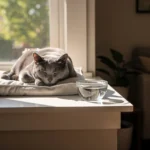
Set up a warm, quiet, low-traffic area where your cat can rest undisturbed. A lethargic cat needs more sleep than usual and benefits from not being disturbed by household noise or other pets. Avoid forcing interaction — let the cat choose when to engage. A calm environment reduces stress as a contributing factor and helps the body direct energy toward recovery.
Monitor Eating, Drinking, and Litter Box Carefully
Track whether your cat is eating the same amount as usual or slightly less, how much water they’re consuming, and what their litter box output looks like. Any reduction in urination, blood in urine, or diarrhea changes the situation from watchful waiting to vet contact. Keep notes with times so you have concrete information rather than impressions when you call the vet.
Check Gums and Basic Physical Signs
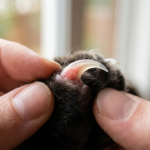
Press gently on your cat’s gums and release — they should return to pink within two seconds. White, pale, or yellow gums are always a veterinary emergency. Check for any obvious signs of injury, unusual lumps, or areas that cause flinching when touched. Note whether the lethargy is worse at specific times of day — worse after eating can suggest digestive issues, while worse in the morning may point to arthritis stiffness.
Do Not Give Human Medications
Home care should never include human medications. Paracetamol, ibuprofen, and aspirin are all toxic to cats at any dose. If your cat needs pain relief or anti-inflammatory support, your vet can prescribe cat-safe options. The only safe home remedies for a lethargic cat are environmental — warmth, quiet, hydration, and careful observation while you arrange a vet appointment.
Identify Any Recent Environmental Changes
Think through the 48 hours before the lethargy started. New food? New household member or pet? Renovation or cleaning products? Outdoor access to unfamiliar plants or areas? If your cat had access to any toxic substances — including plants, which our guide on what to do if your cat ate a lily covers in detail — this changes the urgency entirely regardless of whether they’re eating and drinking.
When to See the Vet
Call Your Vet Today (Non-Emergency)
- Lethargy has persisted for more than 24 to 48 hours without any improvement
- Your cat is eating and drinking but noticeably less than usual
- Any other subtle signs — coat looking less glossy, slight weight change, sleeping in unusual spots
- Your cat is a kitten, senior, or has a known health condition — lower threshold applies
- The pattern has appeared and disappeared multiple times in recent weeks
How Long Is Too Long?
24 hours is the watchful waiting window for an otherwise healthy adult cat with no other symptoms. 48 hours is the absolute maximum before a vet call is needed. For kittens, senior cats, and cats with known health conditions, any lethargy lasting more than 12 hours warrants a same-day call. Treatment starts with diagnosis — without knowing the cause, home management is guesswork.
If your cat is also showing unusual twitching or movement during sleep alongside the daytime lethargy, mention this specifically to your vet, since it can help narrow the diagnostic picture significantly.
Common Mistakes Cat Owners Make
- ❌ Assuming appetite means health — a cat that’s eating normally is not a cat that’s healthy; the two are independent of each other
- ❌ Waiting too long because the cat is purring — a purring lethargic cat is still a lethargic cat; purring can be a self-soothing response to feeling unwell, not just contentment
- ❌ Attributing lethargy to age without a vet check — senior cats do slow down, but gradual slowing over months is different from a noticeable change over days; the latter always deserves investigation
- ❌ Using home remedies before diagnosis — without knowing what’s causing the lethargy, home treatment is guesswork that delays proper care and sometimes makes underlying conditions worse
- ❌ Ignoring intermittent patterns — a cat that’s lethargic for two days, recovers, then becomes lethargic again two weeks later is telling you something that a vet needs to hear
- ❌ Not mentioning all symptoms to the vet — details like which room the cat is hiding in, whether the pattern is worse at night, or whether the cat was recently near other cats or outdoor areas are all relevant diagnostic information

With vs. Without Appetite — Key Differences
| Condition | Lethargic and Eating/Drinking | Lethargic and Not Eating/Drinking | Urgency |
|---|---|---|---|
| Mild infections | Common early presentation | More likely as infection progresses | Moderate — monitor and call vet |
| Pain or injury | Very common | Possible in severe pain | Moderate |
| Anemia | Possible in mild cases | More likely in severe cases | High — vet within 24 hours |
| Kidney or liver disease | Common early stage | Common advanced stage | High |
| Diabetes | Common — often increased appetite | Less common unless advanced | High |
| Toxic ingestion | Unlikely — usually suppresses appetite | Most common presentation | Emergency |
| Stress | Very common | Possible in severe stress | Low — monitor |
Frequently Asked Questions
Without any obvious other cause, this usually points to one of three things: a mild infection the immune system is actively fighting, early-stage chronic disease that hasn’t yet progressed to appetite loss, or stress from a recent environmental change.
The combination is actually useful information — it tells you the cat isn’t in severe systemic distress but is clearly not at their baseline energy level. A vet call within 48 hours is the appropriate next step.
Possibly something subtle — dental pain, for example, causes significant lethargy and discomfort without affecting appetite immediately, because cats continue eating despite mouth pain until it becomes severe.
Stomatitis in particular, which causes chronic painful oral inflammation, can produce this exact pattern for weeks before owners notice anything obvious. Our guide on stomatitis in cats covers what to look for inside the mouth during your home checks.
The Bottom Line
My cat is lethargic but eating and drinking is one of those situations that feels ambiguous but almost always has a real answer when you look for it. The eating and drinking are genuinely reassuring signs — they tell you the cat isn’t in acute crisis — but they don’t tell you everything is fine.
The causes range from mild and self-resolving to early-stage serious conditions that are far easier to treat when caught before appetite loss begins. The 48-hour rule applies here: one day of careful observation, a comfortable resting environment, and monitoring of eating, drinking, and litter box output is reasonable. If the pattern is still there at 48 hours without clear improvement, that’s your vet call moment. Early diagnosis always means better outcomes, lower costs, and a faster return to the cat you know.
Related Articles
Why Does My Cat Twitch in His Sleep?
Sleep changes often accompany lethargy — what’s normal.
My Cat Ate a Lily and Nothing Happened
Toxic exposure can look exactly like lethargy — act fast.