All cat poop smells, but when the smell becomes overwhelming, fills the entire room, or smells worse than usual, something is off. The most common causes are poor-quality food, parasites, or a digestive issue that needs attention.
I have four cats. Three have normal-smelling poop. One cat’s poop could clear a room. After months of blaming the litter, my vet suggested switching to a higher-protein, grain-free food. Within two weeks, the smell had improved dramatically. The food was the problem the entire time.
Why does my cat’s poop smell so bad? Most often it’s diet — low-quality food with fillers a cat can’t properly digest. Other causes include parasites, food intolerance, bacterial infection, or anal gland issues. A sudden, dramatic change in smell alongside other symptoms warrants a vet visit.
What the Smell Tells You
| Smell Type | What It Usually Means | Action |
|---|---|---|
| Stronger than normal but consistent | Low-quality diet with fillers | Switch to high-protein, meat-first food |
| Fishy or ammonia-like | Anal gland issues or urinary problem | Vet check if persistent |
| Sulfur/rotten egg smell | Malabsorption or bacterial overgrowth | Vet visit for GI assessment |
| Sweet or sickly smell | Possible infection or metabolic issue | Vet within 48 hours |
| Extremely foul, “like death” | Severe infection, parasites, or internal bleeding | Vet immediately |
| Sudden change in smell | New food, infection, or parasite | Monitor 48 hours, vet if persists |
| Pee AND poop both smell terrible | Kidney issues, UTI, or systemic illness | Vet visit — both changing is concerning |
8 Reasons Behind It
1. Low-quality diet — the most common cause
Cheap cat food loaded with grains, corn, soy, and artificial fillers produces bulkier, smellier stool because cats can’t properly digest those ingredients. Cats are obligate carnivores — their digestive systems are designed for meat, not plant fillers.
Switching to a high-protein, grain-free, meat-first food reduces smell dramatically within 1-2 weeks. Related: How Much Wet Food to Feed a Cat.
2. Intestinal parasites
Roundworms, hookworms, coccidia, and especially Giardia cause foul-smelling, often soft or watery stool. Smelly stool that’s also unusually soft is a common tell for parasites. A simple fecal test at the vet confirms the diagnosis. Related: My Cat Has Worms How Do I Clean My House.
3. Food intolerance or allergy
Some cats can’t digest certain proteins — chicken, fish, dairy, or beef. The undigested food ferments in the gut, producing extra gas and terrible-smelling stool. If the smell worsens with specific foods, try an elimination diet. Related: How Can I Soothe My Cat’s Itchy Skin — food allergies affect both skin and digestion.
4. Bacterial infection
E. coli, Salmonella, or Clostridium overgrowth produces extremely foul-smelling stool alongside diarrhea. This often happens after eating spoiled food. Related: How Long Can Wet Cat Food Sit Out — spoiled food causes bacterial infections.
5. Anal gland problems
If the smell is coming from the rear end rather than the stool itself, anal glands are the likely cause. Cats have two small glands near the anus that produce a strong-smelling fluid.
When these become impacted, infected, or leak, the smell is overwhelming — fishy, metallic, and persistent. Your vet can express the glands and check for infection.
6. Inflammatory Bowel Disease (IBD)
Chronic inflammation in the digestive tract causes malabsorption — food isn’t properly broken down, producing foul, often soft stool. IBD can cause both a stronger smell and blood in the stool, and needs veterinary diagnosis. Related: Cat Vomiting White Foam — vomiting alongside smelly poop may indicate IBD.
7. Medication side effects
Antibiotics, steroids, and certain medications disrupt gut bacteria balance, causing temporarily smellier stool. This usually resolves after the medication course ends. Probiotics can help restore gut flora during and after treatment. Related: How to Give a Cat a Pill.
8. New cat, stray cat, or a recent diet change
Newly adopted cats are often stressed, on unfamiliar food, or carrying parasites from shelters or the street. Strays in particular tend to have eaten inconsistent diets and commonly carry parasites.
Both situations usually improve with proper deworming, a consistent high-quality diet, and time to adjust.
Sudden Changes in Smell
A sudden change in smell, when it was previously normal, is more concerning than consistently smelly poop. Sudden smell changes indicate something new happened:
- New food or treat — even a new bag of the same brand can have a different formula
- Infection or parasite — picked up from another cat, contaminated food, or environment
- Ate something unusual — human food, garbage, or a dead insect
- Stress — moving, new pet, or changes in routine affect digestion. Related: Is My Cat Depressed
- Medication started — antibiotics disrupt gut flora within days
If the sudden smell change comes with diarrhea, blood, or your cat stops eating, see the vet. If everything else is normal, monitor for 48 hours. Related: Cat Has Diarrhea But Acting Normal.
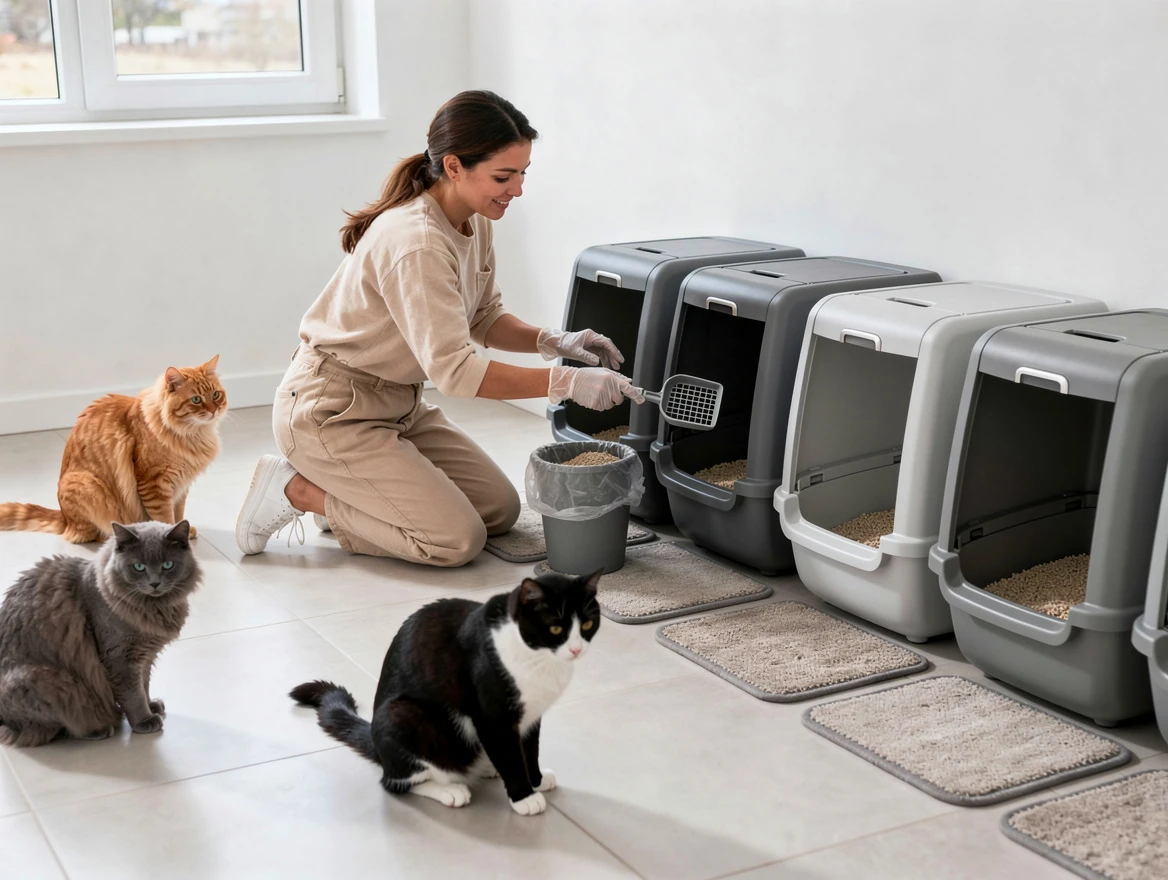
What Actually Helps With the Smell
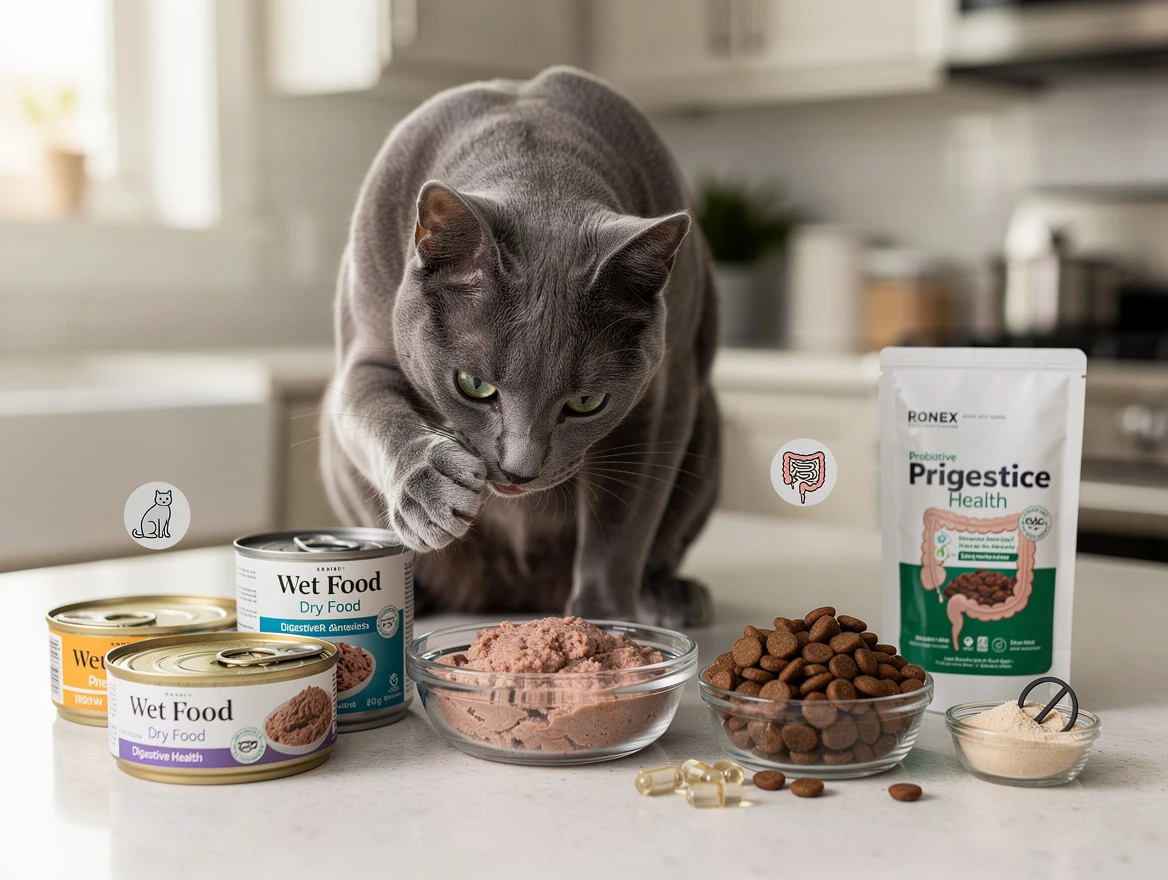
- Switch to high-protein, meat-first food — the single most effective fix for most cats. Transition gradually over 7-10 days, and look for foods where the first ingredient is real meat, not meal or by-products.
- Add probiotics — a cat-specific probiotic, available from most vets, restores healthy gut bacteria and can reduce odor within 1-2 weeks
- Pumpkin puree, if stool is soft — 1 teaspoon per meal adds fiber that firms up loose stool and reduces smell. This is for mild cases only — if diarrhea is chronic or IBD is suspected, added fiber can make things worse, so it’s not a substitute for a fecal test.
- Scoop litter immediately — smell compounds rapidly the longer stool sits
- Upgrade your litter — clumping litter with activated charcoal or baking soda neutralizes odor better than basic clay
- Enclosed litter box with carbon filter — contains smell and filters the air
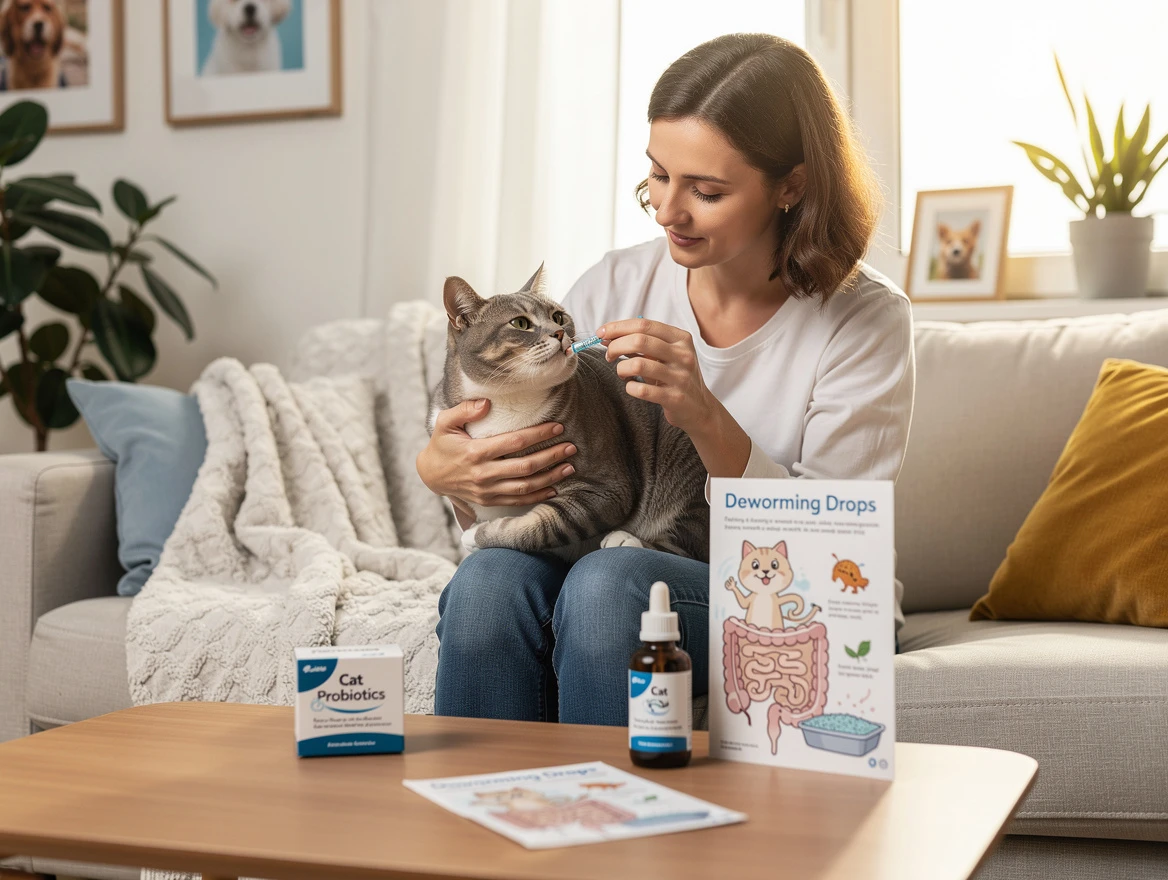
- Deworming — if your cat hasn’t been dewormed recently, a simple deworming treatment may solve the problem entirely
- Litter box placement — keep in a well-ventilated area, not a closed closet that traps odor
Your Cat’s Rear End Smells, Not Just the Litter Box
If the smell is coming from your cat’s rear end and not just the stool, the cause is usually one of three things:
- Anal gland impaction or infection — your vet can express and treat them
- Soft stool stuck to fur — especially in long-haired cats. Trim the fur around the rear and clean with a damp cloth. Related: How Often Should I Bathe My Cat
- Diarrhea residue — resolve the diarrhea and the smell resolves too. Related: Cat Has Diarrhea But Acting Normal
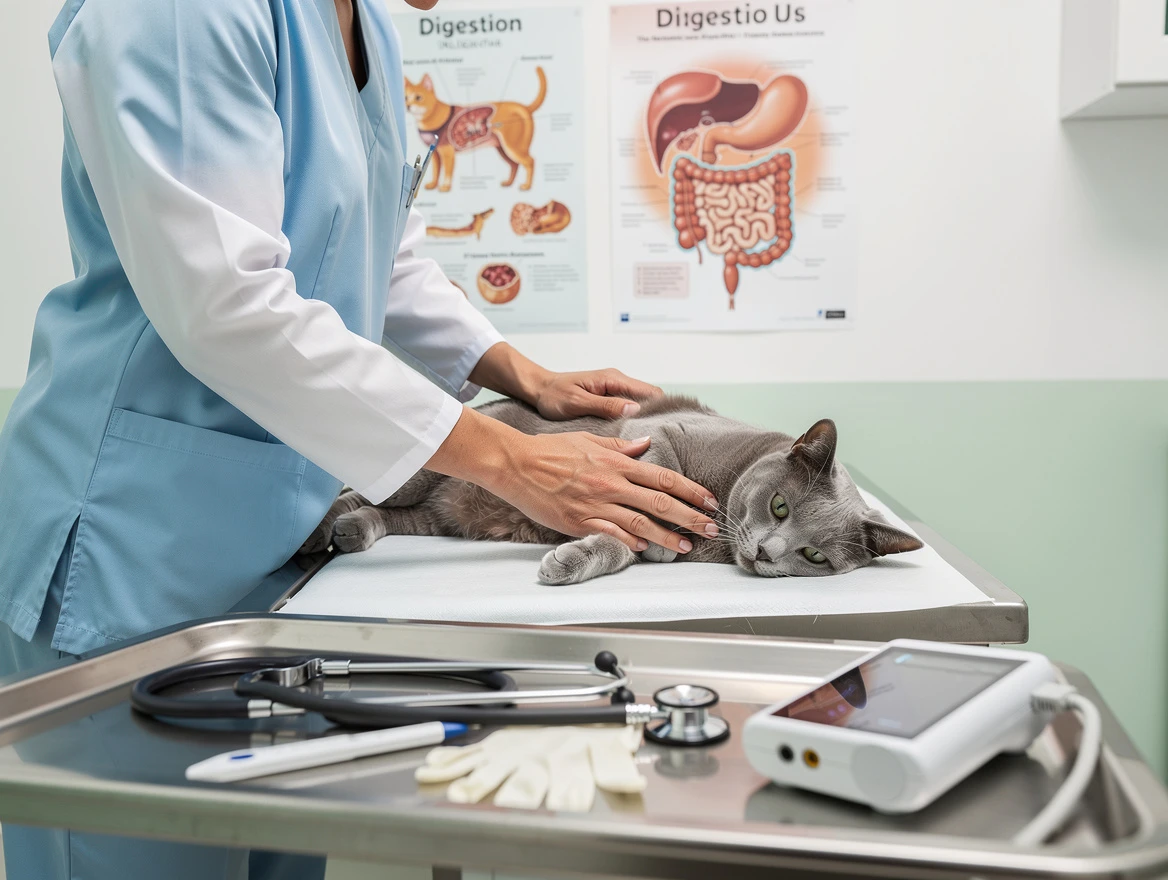
🩺 See Your Vet If:
- Poop smells extremely foul — indicates serious infection or internal issue
- Blood in the stool, bright red or dark/tarry. Related: Cat Pooping Blood But Acting Normal
- Sudden smell change lasting more than 48 hours
- Poop is consistently soft, watery, or mucus-covered alongside the smell
- Cat losing weight despite eating normally
- Both pee and poop smell terrible — this combination suggests systemic illness
- Cat stops eating or becomes lethargic
- Smell persists despite food change and deworming
- Smelly bum that doesn’t improve with cleaning
A Few Questions Worth Answering Directly
Most often it’s diet — low-quality food with fillers a cat can’t properly digest. Other common causes include parasites, food intolerance, bacterial infection, or anal gland issues. Switching to a high-protein, meat-first food resolves it for many cats within 1-2 weeks.
An extremely foul, death-like smell indicates severe infection, heavy parasite load, internal bleeding, or advanced digestive disease. This level of smell is never normal and requires a vet visit as soon as possible.
Briefly smelling cat poop while cleaning isn’t harmful to healthy adults. However, cat feces can contain Toxoplasma gondii, which is dangerous for pregnant women and immunocompromised individuals. Always wash hands after cleaning litter and wear gloves if pregnant.
Male and female cat poop shouldn’t smell significantly different if they eat the same diet. If one cat’s stool smells worse, the cause is individual — different gut bacteria, food sensitivity, or a health issue specific to that cat. A fecal test can identify the difference.
Diet is very often the answer. Switch to a high-protein, meat-first food, add probiotics, and the smell usually improves within 1-2 weeks. If it doesn’t improve, a fecal test catches the parasites and infections that cause chronic smell that diet alone won’t fix.