How long can you leave a cat alone? Most healthy adult cats can safely be left alone for 24 to 48 hours with proper preparation. Beyond that, risks increase significantly, litter boxes overflow, water runs out or tips over, and loneliness-related stress builds.
I left my cats alone for a weekend trip once, set up extra food, extra water, clean litter boxes. Came home 50 hours later to one tipped water bowl, a litter box disaster, and my oldest cat stress-vomiting on the couch. Never again without a sitter.
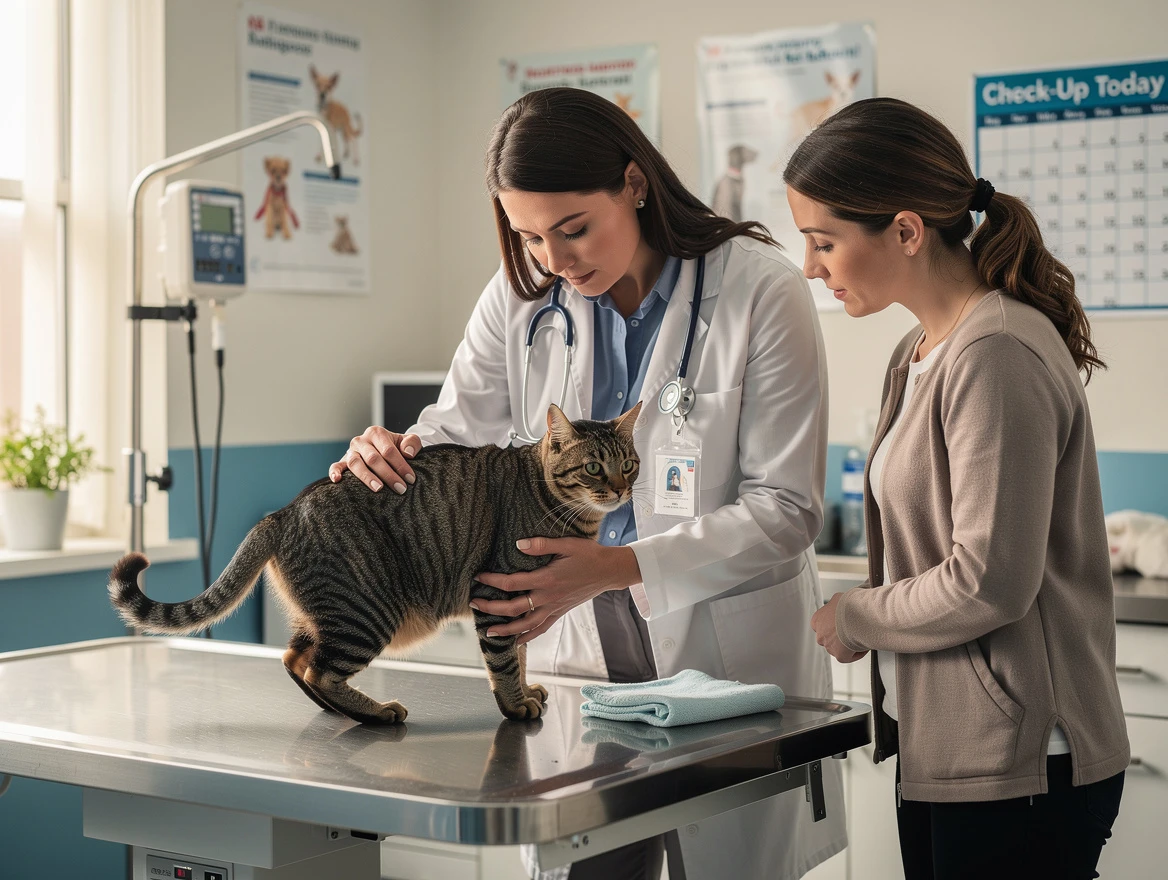
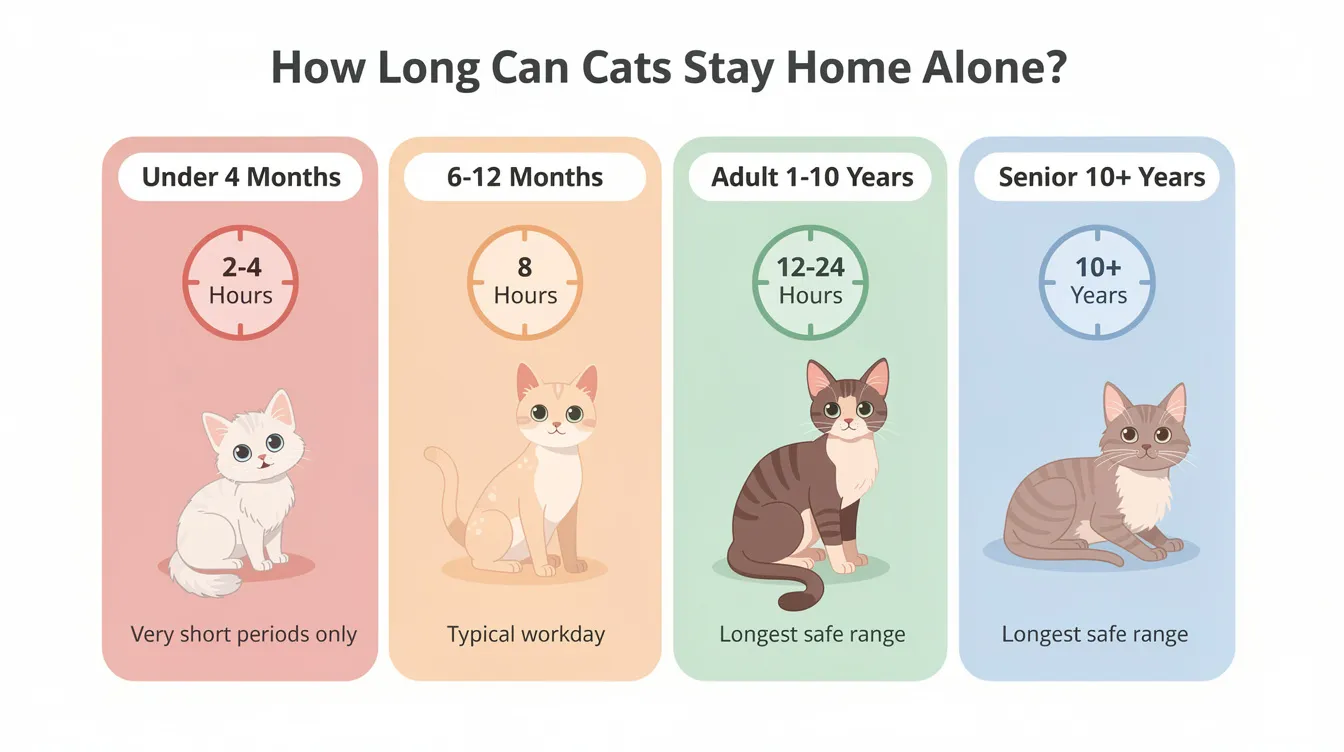
24-48 hours maximum for a healthy adult cat with enough food, fresh water, and clean litter boxes. Kittens should never be left alone more than 4-8 hours. Beyond 48 hours, arrange a pet sitter to check in daily. Never leave a cat alone for more than 72 hours regardless of preparation.
Duration Guide
| Duration | Safe? | What You Need |
|---|---|---|
| 8-12 hours (workday) | ✅ Completely fine | Normal food, water, clean litter box |
| 24 hours (overnight) | ✅ Yes, with preparation | Extra water source, clean litter, enough food |
| 48 hours (weekend) | ⚠️ Possible but risky | Multiple water bowls, extra litter box, auto feeder |
| 3 days (72 hours) | ❌ Not recommended | Daily sitter check-in required |
| 4 days | ❌ Unsafe | Pet sitter visiting 1-2x daily minimum |
| 1 week+ | ❌ Never | In-home pet sitter or boarding |
| 10 days | ❌ Absolutely not | Dangerous regardless of setup |
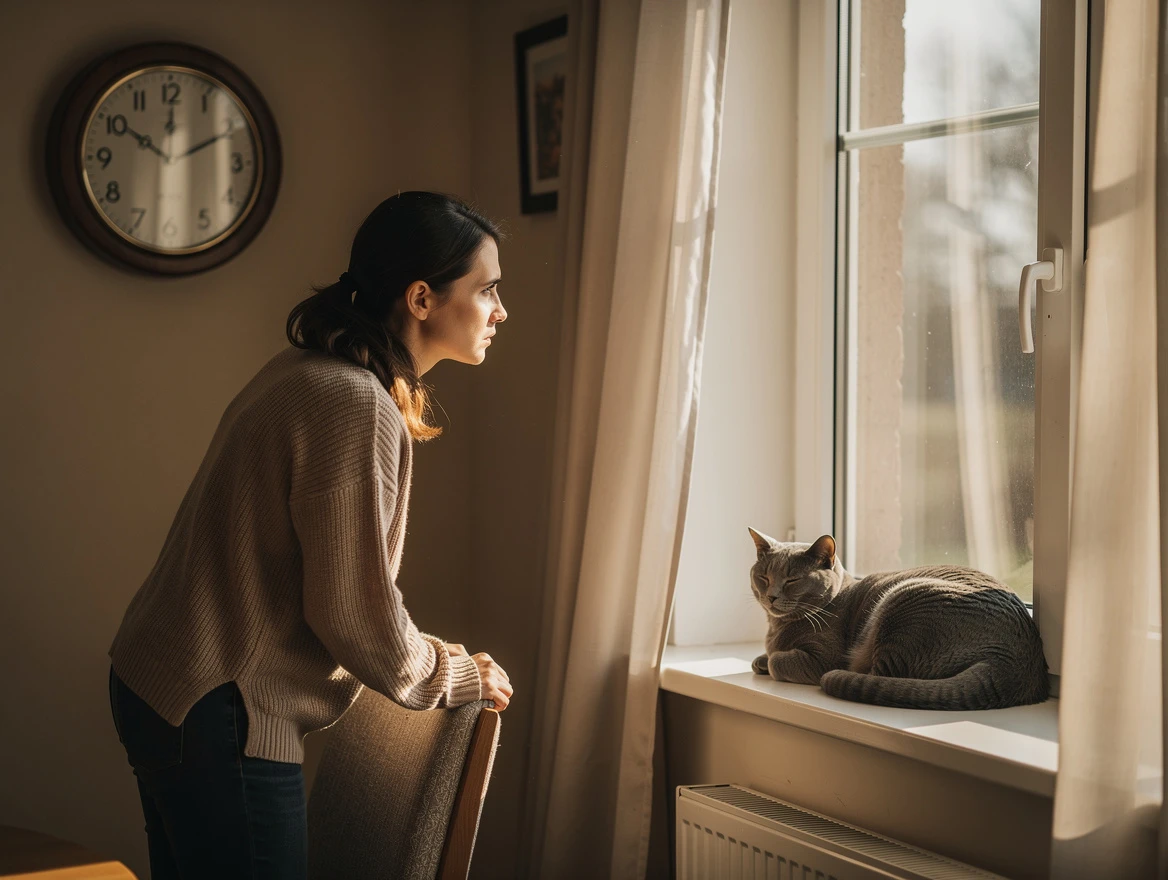
What to Set Up Before Leaving Your Cat Alone
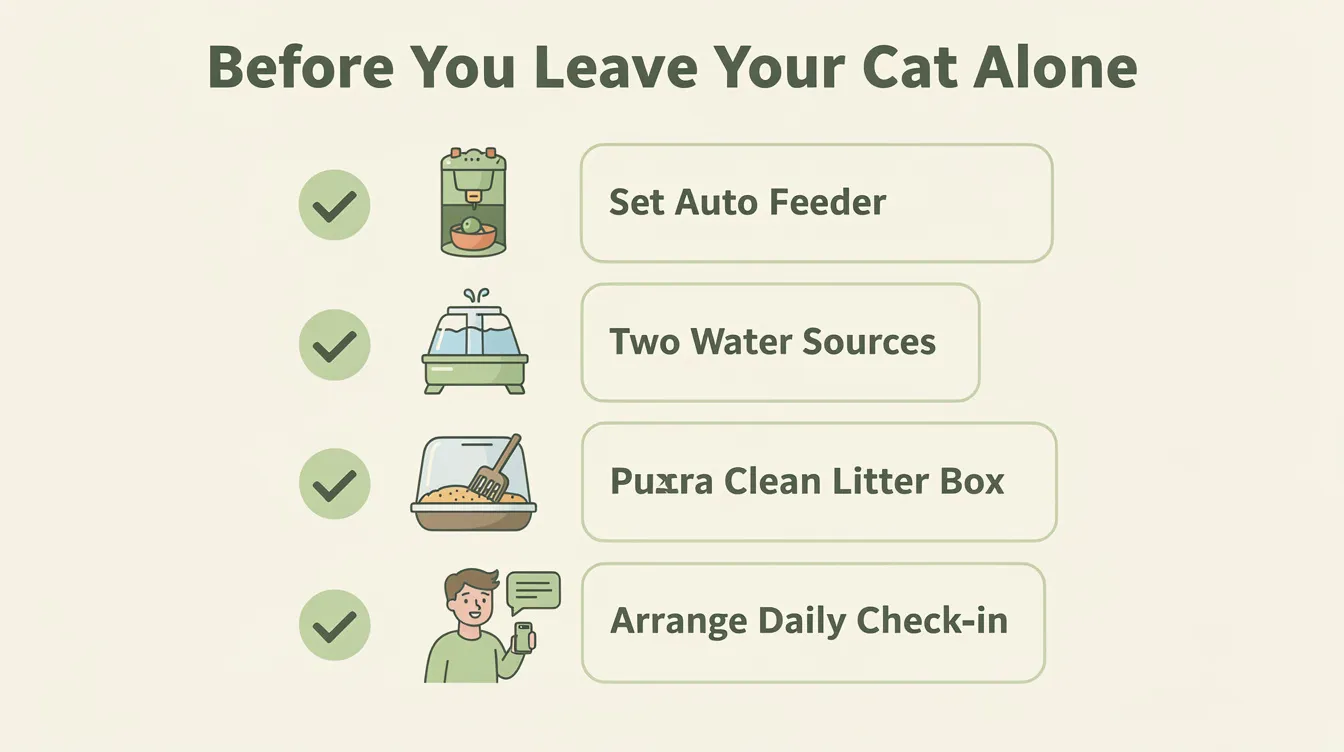
- Multiple water sources — at least 2-3 bowls in different locations. Water fountains are ideal because they keep water fresh and cats drink more from them.
- Enough food — measured portions. For wet food, only leave what can be eaten within 2 hours. For dry food, measured daily portions. Related: How Long Can Wet Cat Food Sit Out.
- Extra litter box — one per cat plus one extra. Cats may refuse to use a full box.
- Safe environment — close toilet lids, secure toxic plants, put away strings and rubber bands, check windows are secure
- Temperature control — set thermostat to 65-78°F. Never leave a cat in a closed home without climate control.
- Entertainment — leave a window perch for bird watching, puzzle toys, and a piece of your worn clothing for comfort
- Nightlight — cats see well in low light but complete darkness in unfamiliar situations can increase anxiety
How Long Can You Leave a Cat Alone While on Vacation
The same 24-48 hour rule applies. For any vacation longer than one night, arrange a pet sitter.
| Vacation Length | What to Arrange |
|---|---|
| 1 night | Extra water, clean litter, food — cat is fine alone |
| 2-3 nights | Pet sitter visiting once daily to feed, water, scoop, and check on cat |
| 4-7 nights | Pet sitter visiting twice daily OR in-home pet sitter staying overnight |
| 1-2 weeks | In-home pet sitter or boarding facility. 10 days alone is never acceptable. |
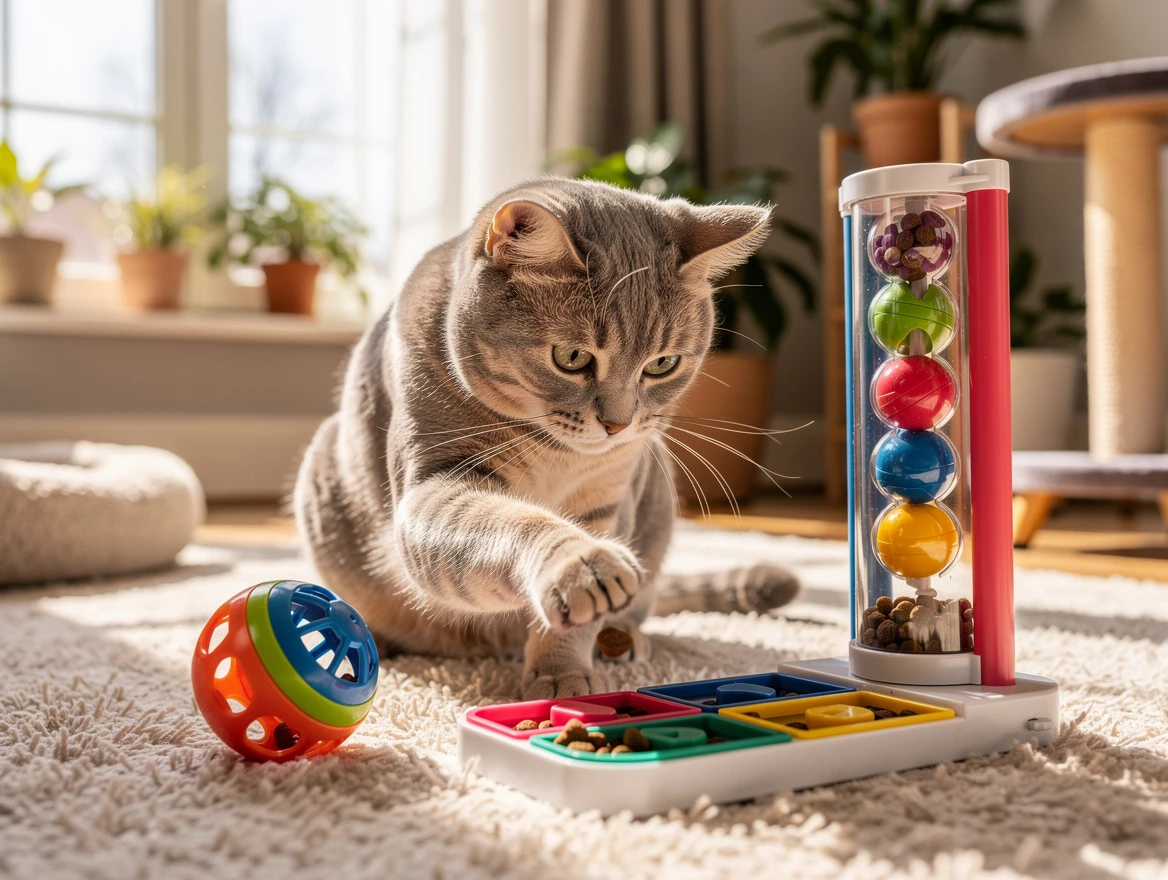
How Long Can You Leave a Cat Alone With an Automatic Feeder
An automatic feeder solves the food problem but NOT the other problems. Litter still overflows, water can still tip or run out, and your cat still experiences isolation stress.
An automatic feeder extends safe alone time by maybe 12-24 hours at most, not days. Use it as a supplement to a pet sitter, not a replacement.
How Long Can You Leave a Cat Alone With Someone Checking In
With a reliable person visiting once or twice daily, your cat can stay home safely for 1-2 weeks. The sitter should:
- Feed fresh food and refill water
- Scoop all litter boxes
- Spend 15-30 minutes with the cat (play, petting)
- Check for signs of illness or distress
- Confirm windows, doors, and temperature are safe
- Send you a photo or update
Signs Your Cat Was Stressed While Alone
- Excessive vocalization when you return — crying, meowing loudly
- Urinating outside the litter box — stress or protest. Related: Why Is My Cat Peeing Everywhere.
- Vomiting or diarrhea — stress-related GI upset. Related: Cat Vomiting White Foam.
- Hiding when you return instead of greeting you
- Over-grooming or bald patches — anxiety-driven. Related: How Can I Soothe My Cat’s Itchy Skin.
- Destroyed items — knocked things over, scratched furniture
- Loss of appetite for 24+ hours after you return. Related: My Cat Won’t Eat.
- Extreme clinginess — following you everywhere, not letting you out of sight
Common Mistakes
- Assuming cats don’t care — cats DO bond with their owners and DO experience loneliness. A 2019 Oregon State University study published in Current Biology confirmed cats form secure attachments to their caregivers, similar patterns to those seen in dogs and human infants.
- Leaving only dry food for days — dry food goes stale, loses nutrition, and does not provide hydration.
- One water bowl — if it tips, your cat has zero water. Always leave multiple sources.
- Not scooping before leaving — start with perfectly clean litter boxes. Cats may refuse a dirty box and urinate elsewhere.
- Thinking automatic feeders solve everything — they solve food, not litter, water safety, or companionship.
- Leaving cats alone for 4+ days without a sitter — this is neglect, not independence.
Cats That Should NEVER Be Left Alone More Than 8-12 Hours
- Kittens under 6 months — need feeding 3-4x daily and get into dangerous situations
- Senior cats (12+) — health emergencies can develop rapidly
- Diabetic cats — need timed insulin injections. Related: Cat Diabetes Symptoms.
- Cats on medication — cannot miss doses. Related: How to Give a Cat a Pill.
- Cats with anxiety or behavioral issues — isolation worsens anxiety. Related: Is My Cat Depressed.
- Cats with urinary issues — blockages can become fatal within 24-48 hours
Frequently Asked Questions
Same as any cat, 24-48 hours maximum. Indoor cats are actually more dependent on their owners for all needs since they cannot access outdoor water, food, or stimulation.
Somewhat, but not as much as owners assume. Cats do sometimes keep each other company, which can genuinely ease the loneliness side. But the practical math still gets worse, not better, more cats means litter boxes fill faster, water and food run out sooner, and any conflict between cats during an unsupervised stretch has no one to intervene. Don’t treat a multi-cat household as extending your safe window.
The Bottom Line
How long can you leave a cat alone? 24-48 hours with proper preparation. Beyond that, your cat needs a human checking in. Cats are more social than most people realize, and the practical problems (litter, water, food) compound rapidly after 48 hours.
The best investment for any cat owner who travels is a trusted pet sitter. Related: Why Does My Cat Sleep on Me, your cat bonds with you more than you think. Also: Cats and Boxes, leaving a few boxes out gives your cat something familiar and comforting while you’re away.