Wet cat food can be a genuinely great staple in your cat’s diet, offering hydration and quality nutrition in a convenient, pre-portioned form. This guide covers how to choose a good canned cat food, how much and how often to feed it, and how to store it safely once it’s opened.
Wet food cans provide essential hydration and high-quality protein, making them a healthy staple for most cats. Choose brands with a named animal protein first on the label and a proper AAFCO nutrient balance statement, feed appropriate portions to avoid weight gain, and refrigerate leftovers, using them within 24–48 hours.
Your cat refuses food and water, including wet food, for more than 24 hours, or shows signs of dehydration, vomiting, or lethargy. Wet food isn’t a substitute for veterinary care if something is genuinely wrong, don’t wait it out.

At a Glance
| Feature | Details |
|---|---|
| Moisture content | 75–78%, excellent for hydration |
| Protein source | Should be a named animal protein, not a generic “meat by-product” |
| Typical can sizes | 3 oz, 5.5 oz, 6 oz |
| Best for | Hydration, picky eaters, seniors |
| Common concerns | Storing leftovers, portion control |
| Feeding frequency | 2–3 times daily is typical |
| Price range | Roughly $1.50 to $4 per can, varies by brand and size |
Why Canned Food Matters for Cats
 Wet food is a moisture-rich, pre-portioned meal, and the moisture content is really the whole story here. Unlike dry kibble, which sits around 8–10% moisture, canned food is roughly three-quarters water, which matters a lot given how little most cats drink on their own.
With four cats in our New York apartment, switching one of my older cats to wet food was a genuine turning point, she’d always been a light drinker, and within a few weeks on wet food her coat condition noticeably improved.
Why Choose Wet Food — The Real Benefits
- Hydration — cats naturally have a low thirst drive, and the 75–78% moisture content in wet food helps support kidney function and urinary tract health.
- High protein quality — good wet food is typically built around animal-based protein, which is what cats actually need as obligate carnivores. Related: PetMD.
- Palatability — picky eaters and cats feeling under the weather often accept wet food when they’ll turn down dry.
- Weight management — properly portioned wet food is generally lower in carbohydrates than dry food, which can help with weight control.
My vet flagged one of my cats’ expanding waistline at a checkup. We switched to two wet food meals a day and scaled back the kibble, and his weight came down steadily over the following months.
How to Choose a Good Can
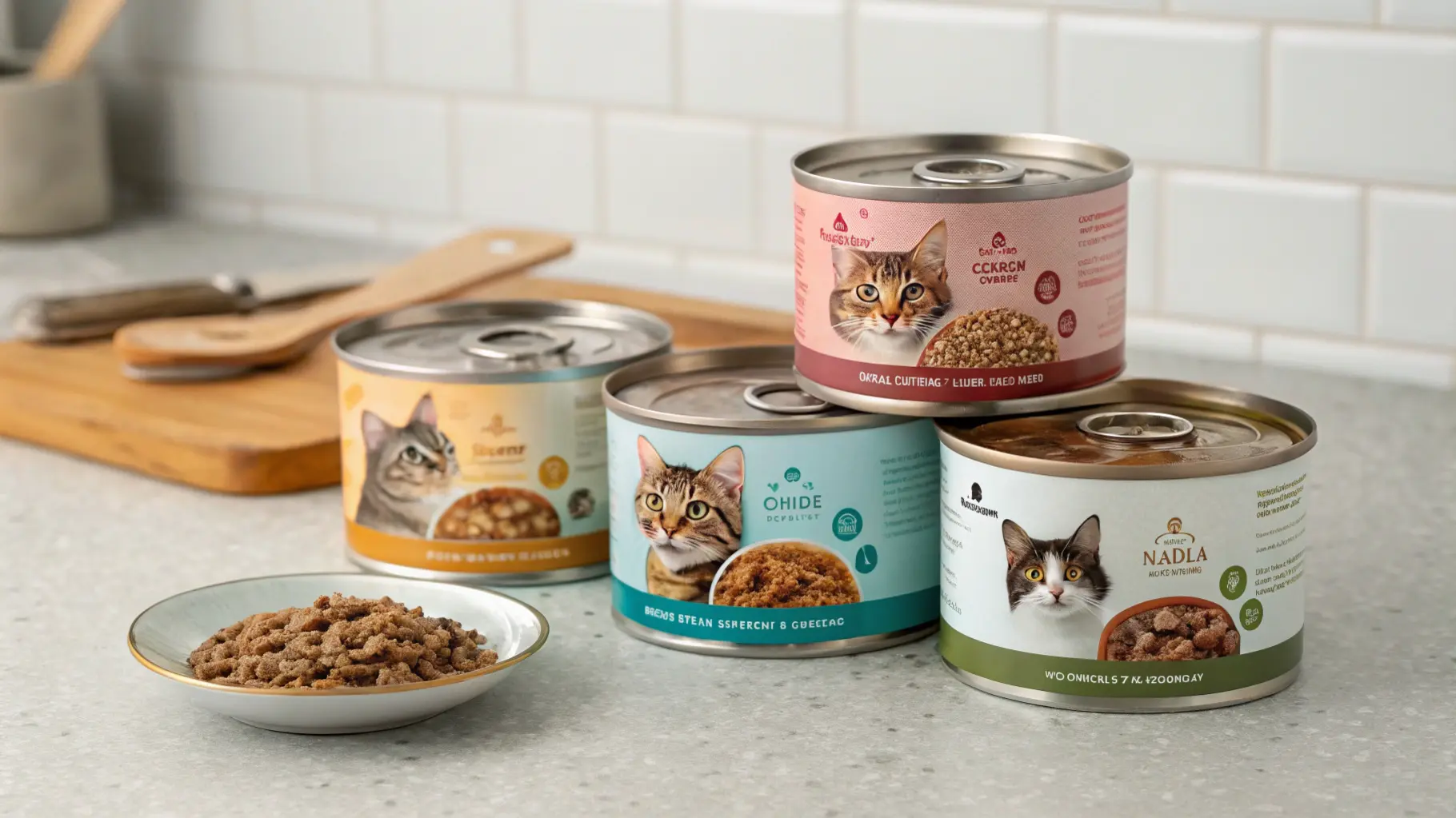
- Check the ingredient list — a named animal protein (chicken, turkey, salmon) should lead the list, not a vague “meat by-product” or a grain listed first.
- Watch for excess fillers and grains — cats are obligate carnivores, so a formula heavy on rice, corn, or wheat as primary ingredients isn’t ideal.
- Look for an AAFCO nutritional adequacy statement — this confirms the food meets baseline complete-and-balanced standards.
- Avoid unnecessary artificial additives — artificial colors and preservatives aren’t things your cat’s diet needs.
- Match the formula to your cat’s life stage — senior, indoor, and special-needs cats often have formulas built specifically for their needs.
Portion, Frequency, and Feeding Tips
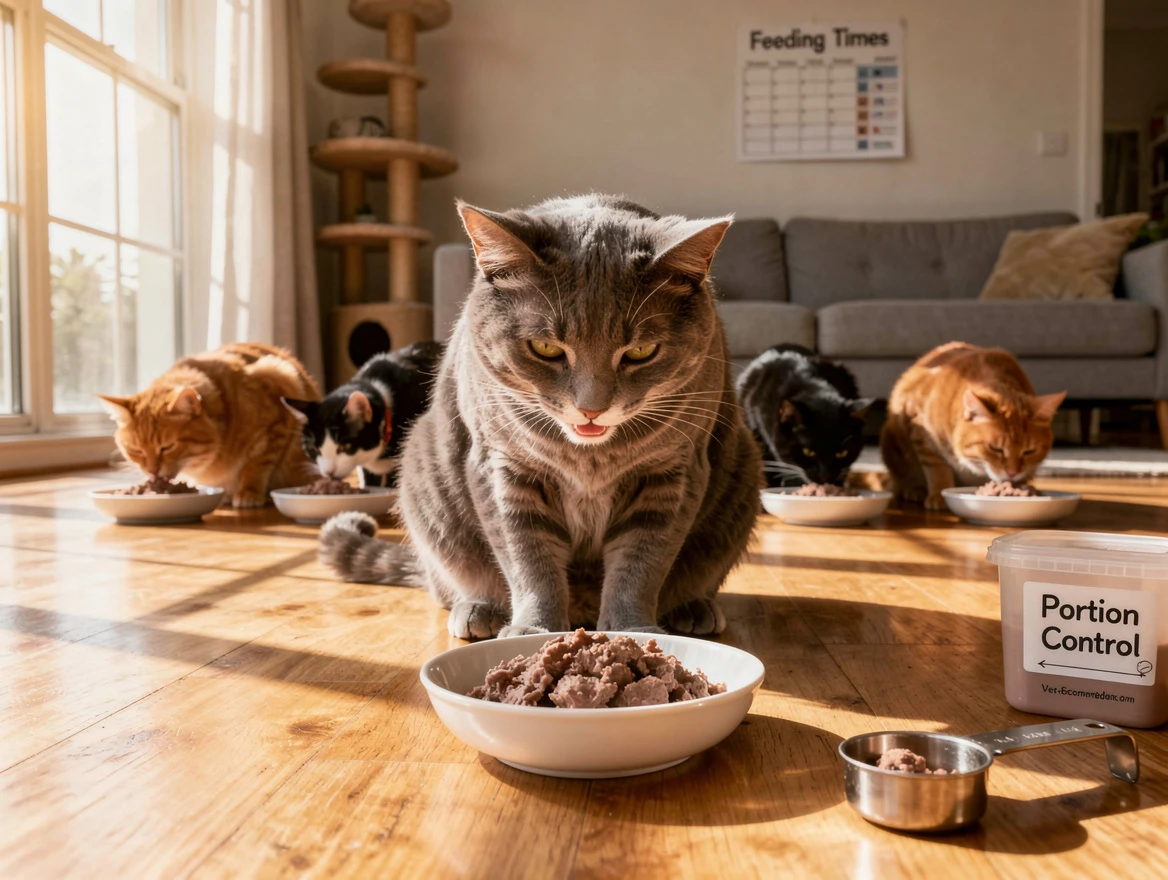 Most vets recommend feeding wet food 2–3 times daily, adjusted for your cat’s weight, age, and activity level.
My own routine across four cats:
- One can per cat per meal, rotating flavors for variety
- Leftovers go straight into the fridge under a silicone lid
- Anything left uneaten past 24–48 hours gets tossed, no exceptions
- A small amount of dry kibble in the evening, though it’s worth noting that standard kibble alone doesn’t meaningfully clean teeth, only VOHC-approved dental formulas are actually shown to help with that
Wet food’s lower carbohydrate load is one reason vets often recommend it for cats prone to obesity or at risk of diabetes. Related: Cornell Feline Health Center.
Storing and Serving It Safely
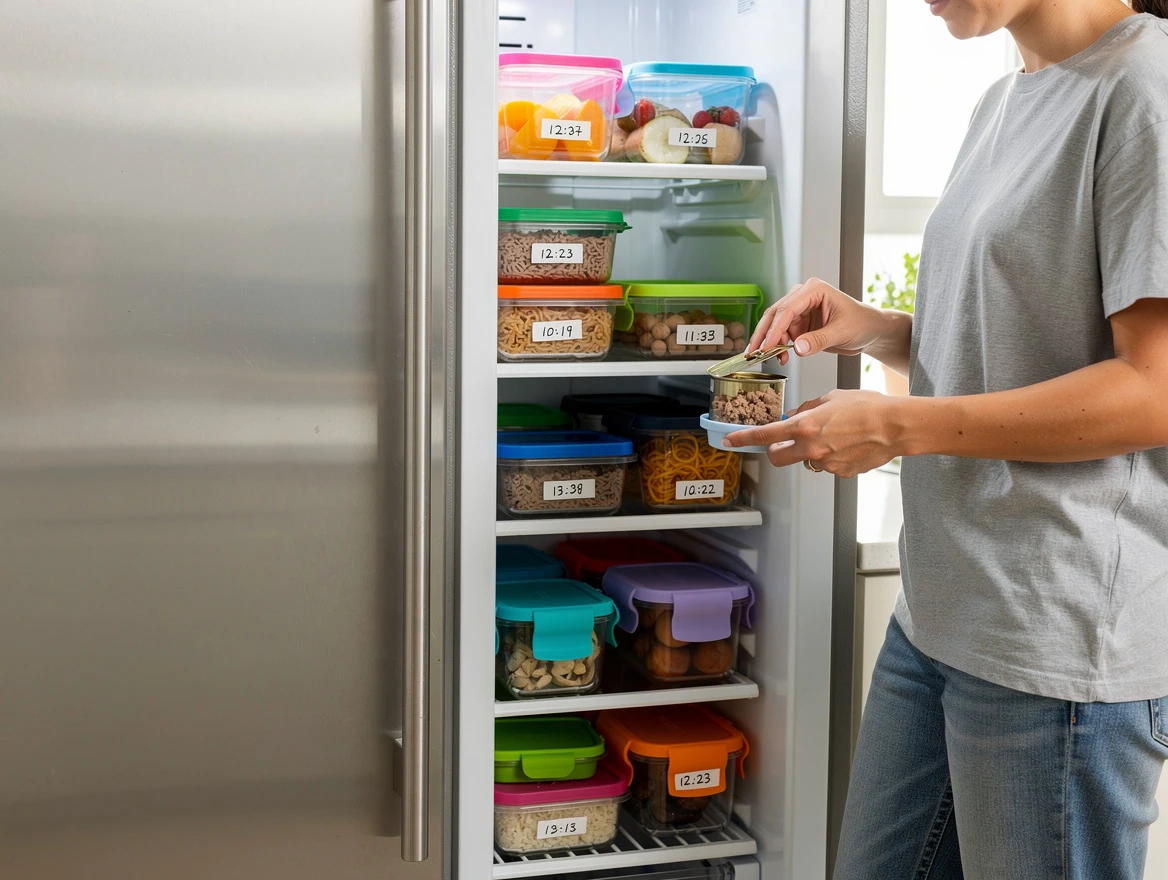
- Refrigerate immediately — once opened, transfer leftovers to an airtight container or cover the can directly with a fitted lid
- Use within 24–48 hours — refrigerated leftovers stay safe for about two days, but don’t push past that window, since spoiled wet food can cause real digestive upset
- Serve closer to room temperature — most cats prefer food slightly warmed rather than cold from the fridge; a few seconds in warm water works well
- Check expiration dates before opening — an easy thing to overlook when grabbing a can quickly
Common Mistakes to Avoid
- Overfeeding — wet food is calorie-dense; measure portions rather than eyeballing them
- Skipping fresh water — wet food helps with hydration, but it doesn’t replace a fresh water source
- Choosing low-quality brands — cutting corners here often shows up as digestive upset or a dull coat
- Never rotating flavors — some cats get bored with the exact same formula over time
- Leaving food out too long — bacterial growth starts well before 24 hours in warm rooms, so err on the side of caution
If you’re often away at mealtimes, a wet food dispenser or automatic feeder designed specifically for wet food (not the dry-kibble hopper style) can help, look for one with an ice pack or cooling compartment, since wet food left at room temperature in an unrefrigerated dispenser still follows the same spoilage timeline as any other bowl.
Frequently Asked Questions
For most cats, yes, primarily because of hydration and lower carbohydrate content, which is associated with lower risk of obesity and diabetes. That said, a mix of both, with wet food as the larger share of calories, works well for many households.
It’s better to give each cat their own portion or can. Sharing one can between cats makes it hard to track how much each cat is actually eating, and can create resource-guarding tension around the food.
Kittens need a kitten-specific formula formulated for their higher calorie and nutrient needs during growth. Check with your vet before making any switch — adult formulas aren’t a safe substitute during the kitten growth window.
There’s no single best answer, but indoor cats tend to be less active than outdoor cats, so calorie content matters more than it might otherwise. Look for the same core criteria, named animal protein first, AAFCO compliance, and check the calorie count per can against your cat’s activity level rather than assuming any “indoor formula” labeling automatically solves weight management on its own.
The Bottom Line
Wet food can be a genuine hydration and nutrition win for your cat when you choose a quality can, portion it appropriately, and store leftovers properly. In our four-cat household, making the switch to quality wet food has made a real, visible difference, better coat condition, steadier weight, and noticeably more enthusiasm at mealtime.
Related Articles
How Often Should I Feed My Cat Wet Food
Find the right schedule for your cat’s age and lifestyle.