Can cats eat tuna? Yes — as an occasional treat, but not as a regular meal. Tuna lacks the balanced nutrition cats need, and it carries a real risk of mercury accumulation with frequent feeding. The type of tuna and how often you feed it make all the difference between a safe treat and a health problem.
My cats go absolutely feral for tuna. I used to give it several times a week until my vet explained mercury builds up in a cat’s small body much faster than in humans. Now it’s a small amount once every week or two, always packed in water, never in oil.

Occasionally, in small amounts, is the safe answer. Use tuna packed in water only, never oil, brine, or seasoned varieties. Limit to 1-2 tablespoons, once a week maximum. Tuna should never replace balanced cat food due to nutritional gaps and mercury risk. In a genuine emergency with no other food available, tuna can serve as a temporary meal for one day.
Water vs Oil vs Brine – Which Tuna Is Safe
| Tuna Type | Safe for Cats? | Why |
|---|---|---|
| Canned tuna in water | Safest option | No added fat, no seasoning, lowest calorie addition |
| Canned tuna in spring water | Safe | Same as regular water-packed – just a labeling variation |
| Canned tuna in oil | Not recommended | Excess fat causes GI upset and pancreatitis risk |
| Canned tuna in sunflower oil | Not recommended | Same fat concerns as any oil-packed tuna |
| Canned tuna in olive oil | Not recommended | Still excess fat despite being a “healthier” oil for humans |
| Canned tuna in brine | Avoid | High sodium content is harmful to cats |
| Fresh cooked tuna, plain | Safe in moderation | No additives, but still carries mercury concerns |
| Raw tuna | Not recommended | Bacterial risk plus thiaminase enzyme depletes vitamin B1 |
How Much Tuna Can I Give My Cat
The safe guideline is 1-2 tablespoons, once per week, not daily. Tuna should make up less than 10% of your cat’s weekly caloric intake.
| Cat Size | Max Tuna Per Serving | Frequency |
|---|---|---|
| Kitten | Avoid or 1 tsp only, rarely | Not recommended regularly |
| Small cat (under 8 lbs) | 1 tablespoon | Once every 1-2 weeks |
| Average cat (8-12 lbs) | 1-2 tablespoons | Once weekly maximum |
| Large cat (12+ lbs) | 2 tablespoons | Once weekly maximum |
| Senior or kidney-compromised cat | Avoid or minimal | Ask your vet first |
The Mercury Risk Explained
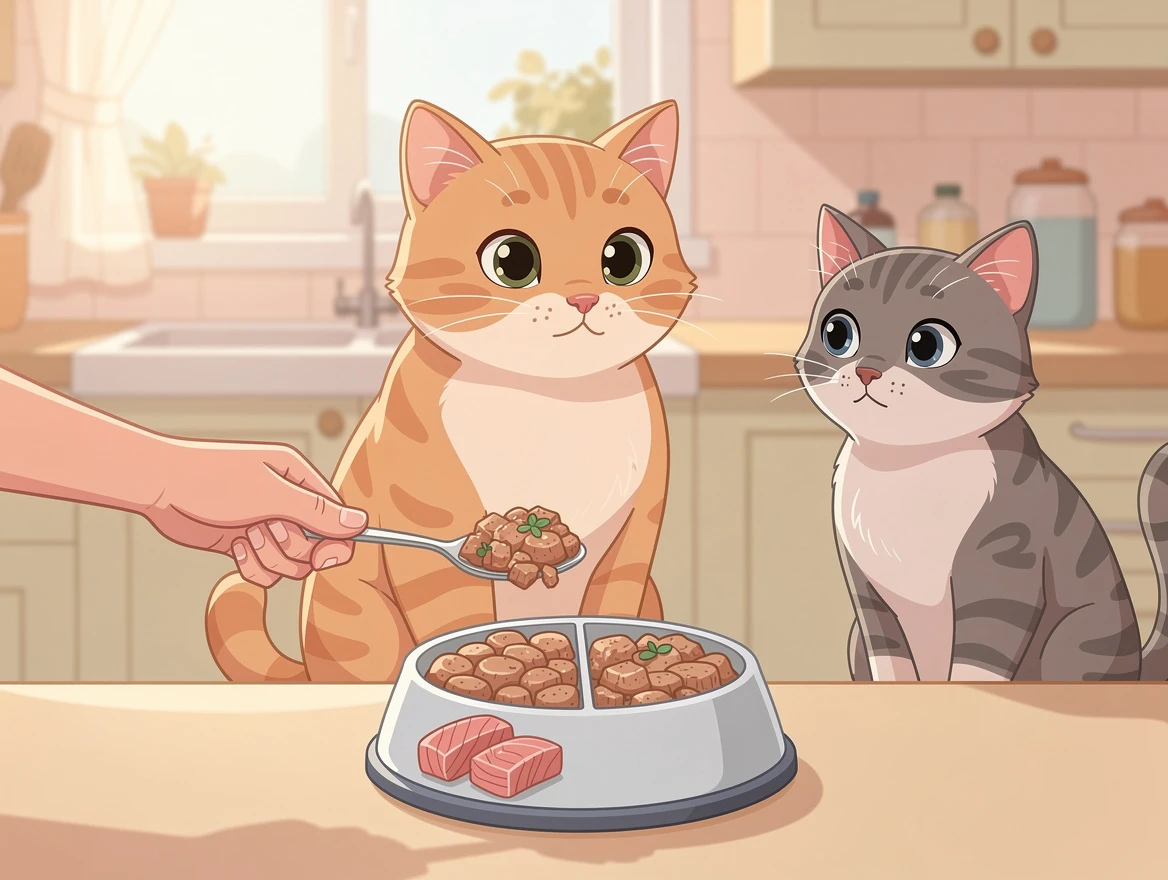
Tuna, especially larger species like albacore, accumulates mercury from ocean water throughout its life. A cat’s small body size means mercury builds up much faster and reaches toxic levels far sooner than in a human eating the same relative amount.
Chunk-light tuna has significantly lower mercury than albacore because it comes from smaller, younger fish. If you feed tuna at all, choose chunk-light over albacore or “white” tuna varieties.
Loss of coordination, tremors, vision problems, and lethargy can indicate mercury poisoning from excessive tuna consumption over time. This is rare with occasional treat-level feeding but becomes a real risk with daily tuna feeding over weeks or months.
Can Cats Eat Tuna Everyday
No, daily feeding isn’t recommended even with the safest water-packed variety. Feeding tuna every day causes two problems: mercury accumulation over time, and nutritional imbalance from tuna lacking the taurine, calcium, and balanced nutrients found in complete cat food.
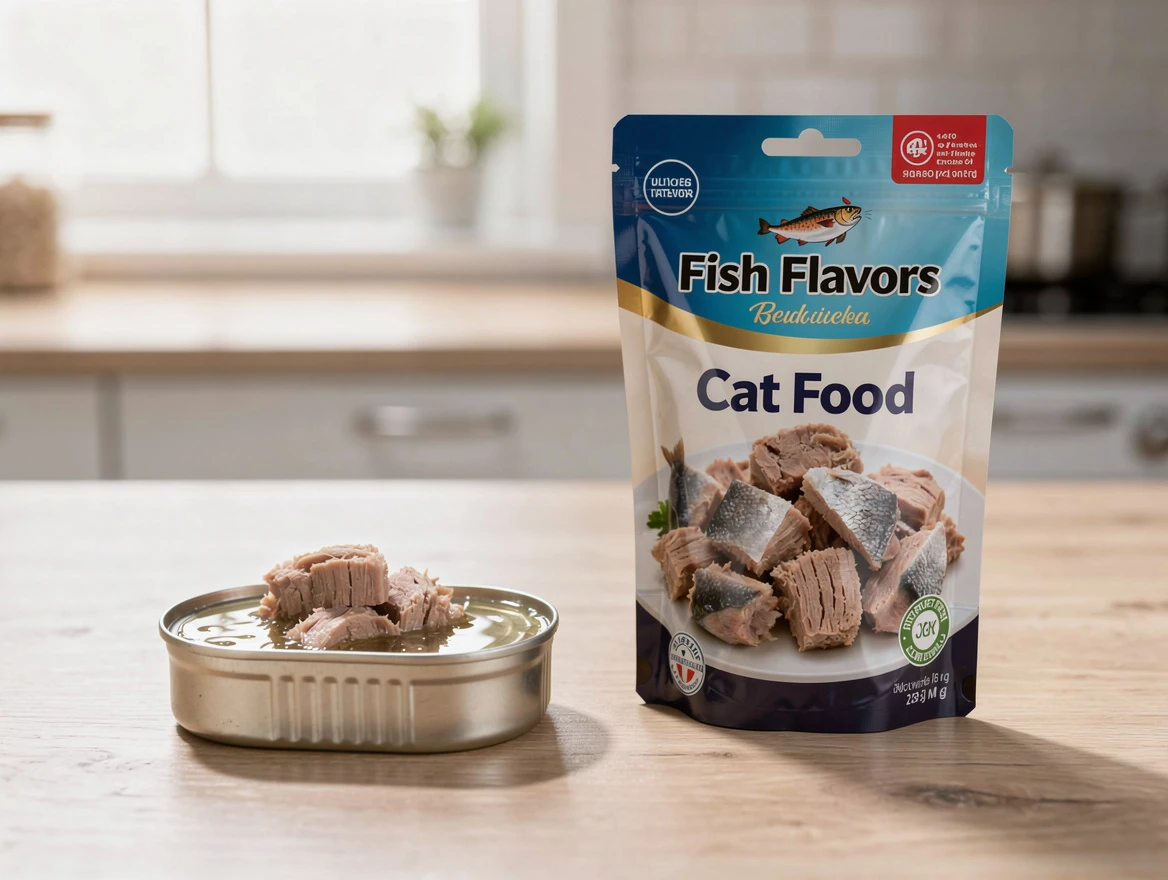
Worth distinguishing here: commercial cat food WITH tuna flavor is formulated very differently than plain canned tuna. Tuna-flavored cat food is nutritionally complete and safe for regular feeding because it’s fortified with everything a cat needs. Plain canned tuna is not.
Kittens and Pregnant Cats
Kittens have even higher nutritional needs than adults, and their smaller bodies are more vulnerable to mercury. Avoid tuna for kittens under 1 year, or offer only a tiny taste (under 1 teaspoon) very rarely.
Pregnant and nursing cats should avoid tuna entirely. Mercury can affect fetal development, and pregnant cats need concentrated, balanced nutrition that tuna cannot provide. Stick to high-quality pregnancy or kitten-formula food. Related: How Long Is a Cat Pregnant.
No Cat Food – Can I Give My Cat Tuna
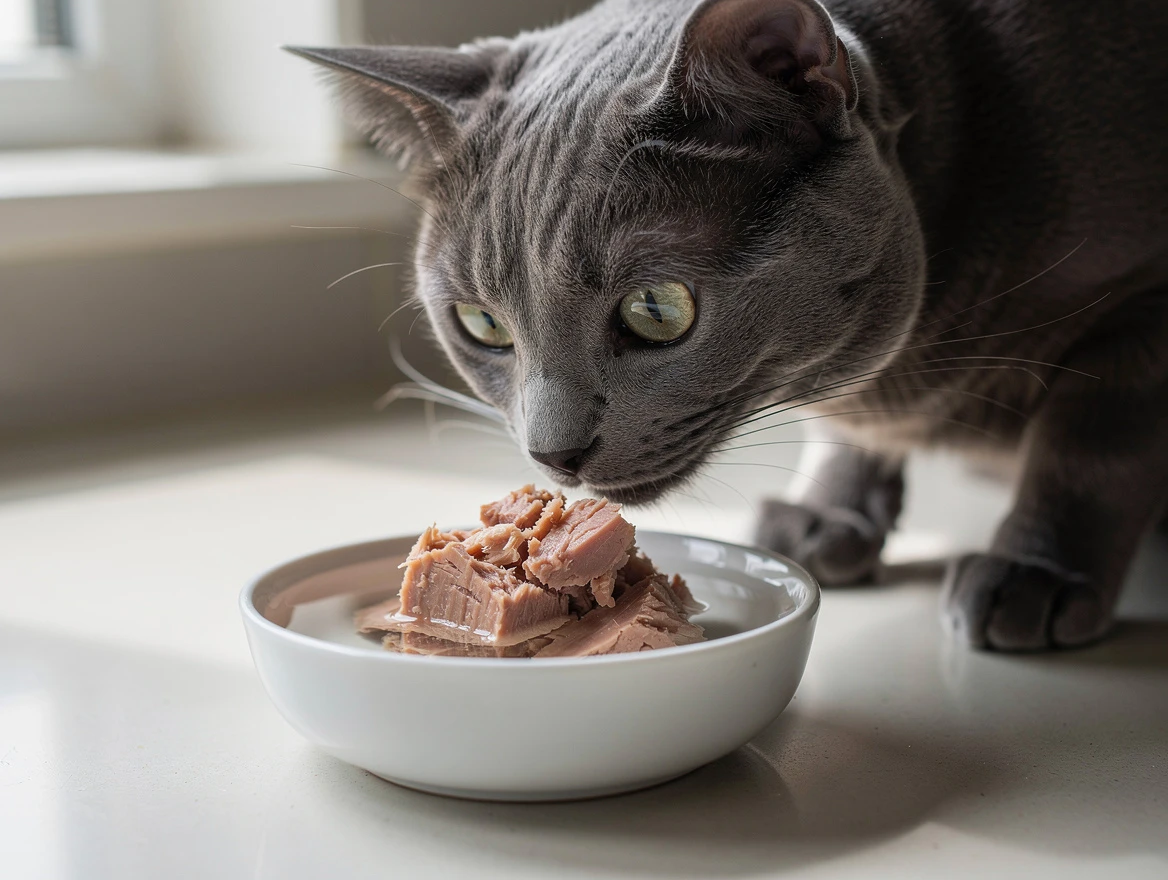
In a genuine emergency, yes — tuna is a reasonable temporary solution for one meal or one day while you get proper cat food. This is far better than letting your cat go without food entirely.
Other emergency options besides tuna:
- Plain cooked chicken (no seasoning, no bones)
- Plain scrambled eggs. Related: Can Cats Eat Eggs
- Canned tuna in water (this article’s topic)
- Plain cooked fish, unseasoned
These are all emergency solutions only – not long-term diets. Get proper cat food as soon as possible. Related: Can Cats Eat Dog Food – another common emergency food question.
Tuna Preparations to Avoid
No to both mayo and tuna salad. Mayo is high in fat and often contains added sugar or preservatives unsuitable for cats. Tuna salad typically contains mayo, onion, celery, and seasonings, several of which are toxic to cats — onion in particular.
- Tuna salad – contains onion, mayo, and seasonings. Never feed.
- Tuna with mayo – excess fat, potential toxic additives
- Seasoned or flavored tuna – garlic and onion powder are toxic to cats
- Sushi-grade raw tuna – bacterial risk and thiaminase concerns
- Tuna casserole or cooked dishes – typically contain onion, garlic, dairy, or seasonings
Why Do Cats Like Tuna So Much
Tuna has an intensely strong smell and taste that appeals to a cat’s powerful sense of smell. The high protein and fat content also triggers instinctive food-seeking behavior. Many commercial cat foods contain fish flavoring too, so cats develop an early association between fish smells and food rewards.
Common Mistakes
- Making tuna a daily treat – even water-packed tuna should not be daily
- Choosing albacore over chunk-light – albacore has significantly more mercury
- Not draining oil-packed tuna – always drain and rinse if that is all you have
- Feeding tuna salad or seasoned tuna – onion and garlic content is toxic
- Assuming tuna is nutritionally complete – it lacks taurine and calcium balance cats need long-term
- Giving tuna to pregnant cats regularly – mercury risk to developing kittens
Frequently Asked Questions
Yes, as an occasional treat – 1-2 tablespoons once weekly, packed in water only. Not as a regular meal due to mercury risk and nutritional gaps.
1-2 tablespoons per serving, once per week maximum, should be less than 10% of weekly calories. Smaller cats and kittens should have even less or avoid it entirely.
Not recommended. The excess fat can cause GI upset and pancreatitis risk. If oil-packed is all you have, drain and rinse thoroughly before feeding a small amount.
Yes, in a genuine emergency, tuna packed in water can serve as a temporary meal for one day. This is safe short-term but should not continue beyond getting proper cat food.
Avoid regular tuna feeding for kittens under 1 year. Their smaller bodies are more vulnerable to mercury and they need concentrated kitten nutrition that tuna cannot provide.
Avoid tuna during pregnancy and nursing. Mercury can affect fetal development, and pregnant cats need balanced, concentrated nutrition from proper cat food, not tuna.
No. Mayo adds unnecessary fat, and tuna salad typically contains onion, which is toxic to cats. Only feed plain tuna packed in water with nothing else added.
Commercial tuna-flavored cat food is nutritionally complete and safe for regular feeding, unlike plain canned tuna. The formulation includes taurine and balanced nutrients that plain tuna lacks.
The strong smell appeals to a cat’s powerful sense of smell, and the high protein/fat content triggers instinctive food-seeking behavior. Many cats also associate fish smells with food from commercial cat food flavoring.
Best emergency options: plain cooked chicken, scrambled eggs (no butter or salt), canned tuna in water, or plain cooked fish. All are good one-meal options — see our Can Cats Eat Dog Food guide for how that specific option compares.
The Bottom Line
Yes, cats can eat tuna occasionally and in moderation. Choose water-packed, chunk-light tuna, limit to 1-2 tablespoons once weekly, and never let it replace balanced cat food. Mercury accumulation is the real risk with frequent feeding – an occasional treat is safe, a habit is not.
Related: Can Cats Eat Eggs – another safe occasional protein. Also: Can Cats Eat Dog Food – emergency feeding comparisons.