“My cat sounds congested when breathing”, if that’s what brought you here, know that healthy cats breathe silently. That snuffly, rattly, or whistling sound from your cat’s nose is not normal. Any audible congestion means something is partially blocking the nasal passages.
One of my cats started making congested breathing sounds last winter. No discharge, no sneezing, just a soft rattling when she breathed through her nose. I assumed it was dry air from the heater.
Three days later she had green discharge and was sneezing constantly, a full upper respiratory infection that needed antibiotics. I should not have waited those three days.
My cat sounds congested when breathing — the most common cause is an upper respiratory infection (URI). Other causes include allergies, nasal polyps, foreign objects, or dental disease. If your cat sounds congested but is eating and acting normal, try steam therapy and monitor for 24–48 hours. See a vet if congestion lasts more than 3 days, comes with discharge, or your cat stops eating.
What the Congestion Sound Tells You
| Sound Type | What It Means | Urgency |
|---|---|---|
| Soft snuffling or whistling | Mild nasal congestion — allergies, dust, dry air | Monitor 24–48 hours |
| Rattling or crackling | Mucus in nasal passages — likely infection | Vet within 2–3 days |
| Wheezing (from chest) | Lower airway — asthma or bronchitis | Vet within 24 hours |
| Loud snoring while awake | Nasal polyp, swelling, or foreign object | Vet within days |
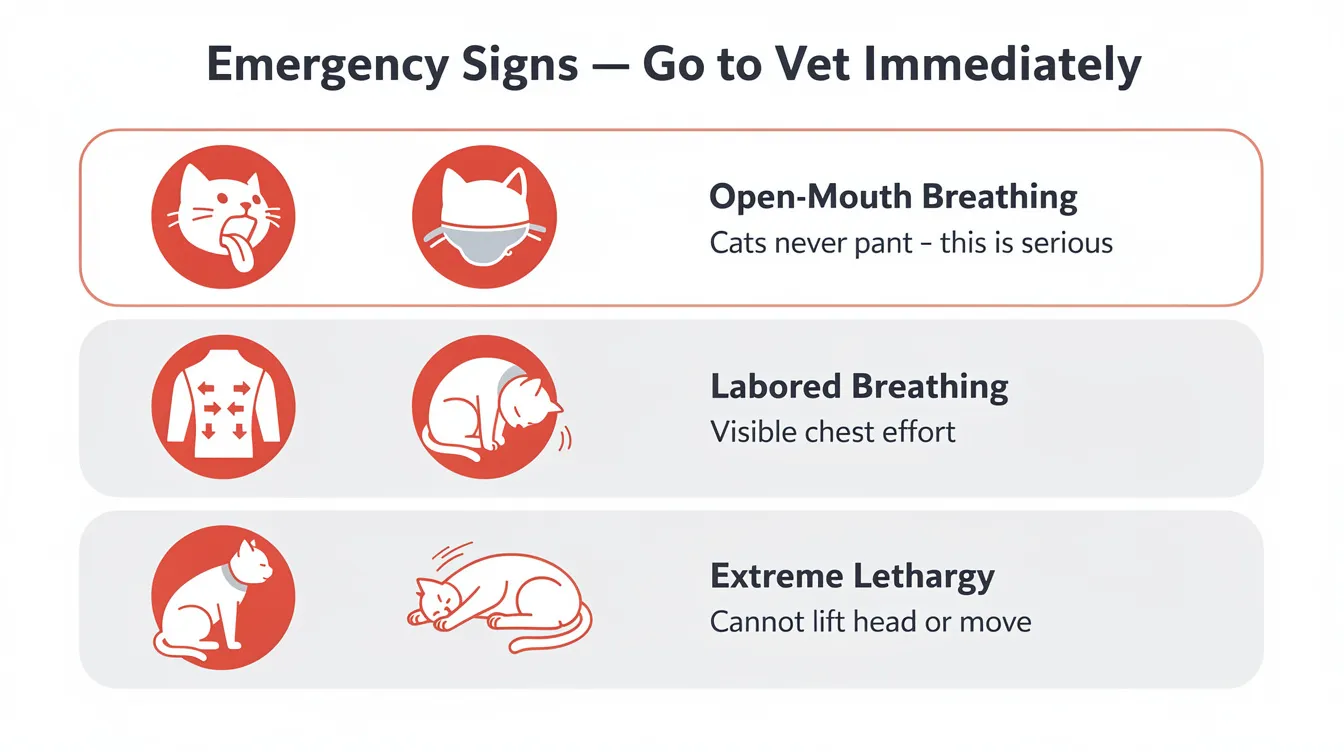
| Open-mouth breathing + congestion | Severe blockage | Emergency vet NOW |
| Congestion + green/yellow discharge | Bacterial infection | Vet within 24 hours |
The 8 Causes, From Mild to Serious
1. Upper Respiratory Infection (Most Common)
Feline herpesvirus and calicivirus cause the large majority of cat URIs. Symptoms include congestion, sneezing, nasal discharge, watery eyes, and sometimes fever. Congestion specifically through the nose, without other symptoms yet, is almost always the earliest sign. Related: Why Is My Cat Sneezing So Much.
2. Allergies
Dust, pollen, mold, cleaning products, scented litter, or air fresheners inflame nasal passages. Congestion with no discharge often points to allergies rather than infection. Removing the allergen usually resolves it within 24–48 hours. Related: How Can I Soothe My Cat’s Itchy Skin.
3. Dry Air
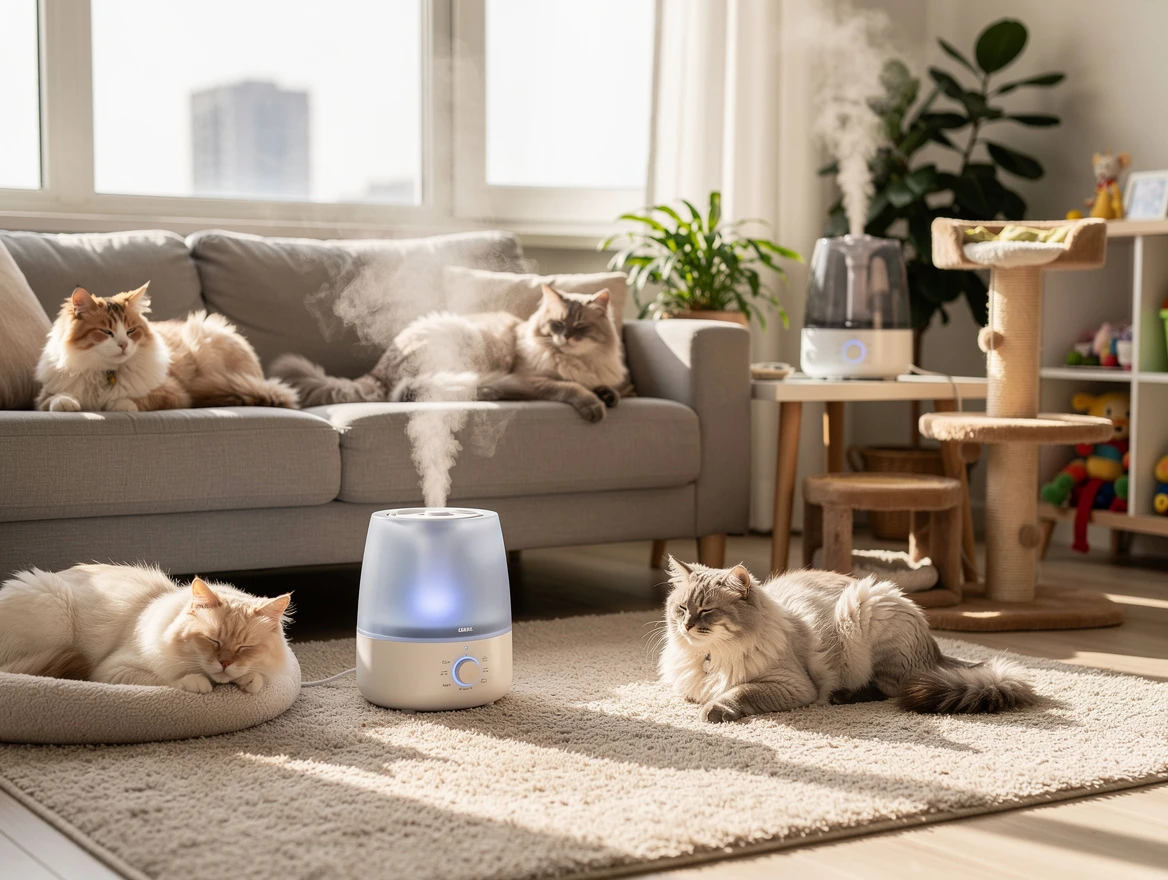
Winter heating dries nasal passages, causing congestion-like sounds especially during sleep. This is especially common overnight in winter and is often just dry air rather than illness. A cool-mist humidifier usually resolves this within a day or two.
4. Nasal Polyps or Growths
Benign polyps or, rarely, tumors in the nasal cavity cause chronic one-sided congestion. If congestion is always worse on one side or persists for weeks, nasal polyps should be investigated.
5. Foreign Object
A blade of grass, seed, piece of litter, or tiny insect lodged in the nostril causes sudden one-sided congestion. Do NOT try to remove it yourself, let the vet handle it.
6. Dental Disease
Upper tooth roots sit close to the nasal cavity. A severely infected tooth can create a connection between mouth and nose. A nasally sound alongside bad breath points toward dental disease as the cause rather than a straightforward URI. Related: Why Does My Cat’s Breath Smell So Bad.
7. Feline Herpesvirus Flare-Up
Cats carrying feline herpesvirus have recurring flare-ups during stress or illness, causing congestion, sneezing, and eye discharge. Related: Why Is My Cat Squinting One Eye.
8. Asthma or Bronchitis
If the sound comes from the chest rather than the nose, wheezing alongside congestion, asthma or bronchitis is more likely than a simple nasal issue. Wheezing plus labored effort or open-mouth breathing is an emergency, not a monitor-and-wait situation. Related: Why Is My Cat Breathing Fast.
Congested But Acting Normal
Eating well, playing, no discharge, this pattern is usually a mild issue. The most common causes are dry air, a mild allergen, or a very early-stage infection.
Monitor for 24–48 hours. Try steam therapy and remove potential irritants. If the congestion resolves, the cause was environmental.
If it persists beyond 48 hours or new symptoms appear, the cause is likely infectious and needs a vet visit.
Congested When Sleeping
This is extremely common and often sounds worse than it is. When cats sleep, muscles relax including nasal passage tissues, amplifying mild congestion.
If congestion is ONLY present during sleep and disappears when awake, it’s usually not serious, dry air, sleep position, or mild swelling. If present both awake and asleep, investigate further.
Home Remedies
These help with mild congestion but are NOT substitutes for vet care if infection is present:
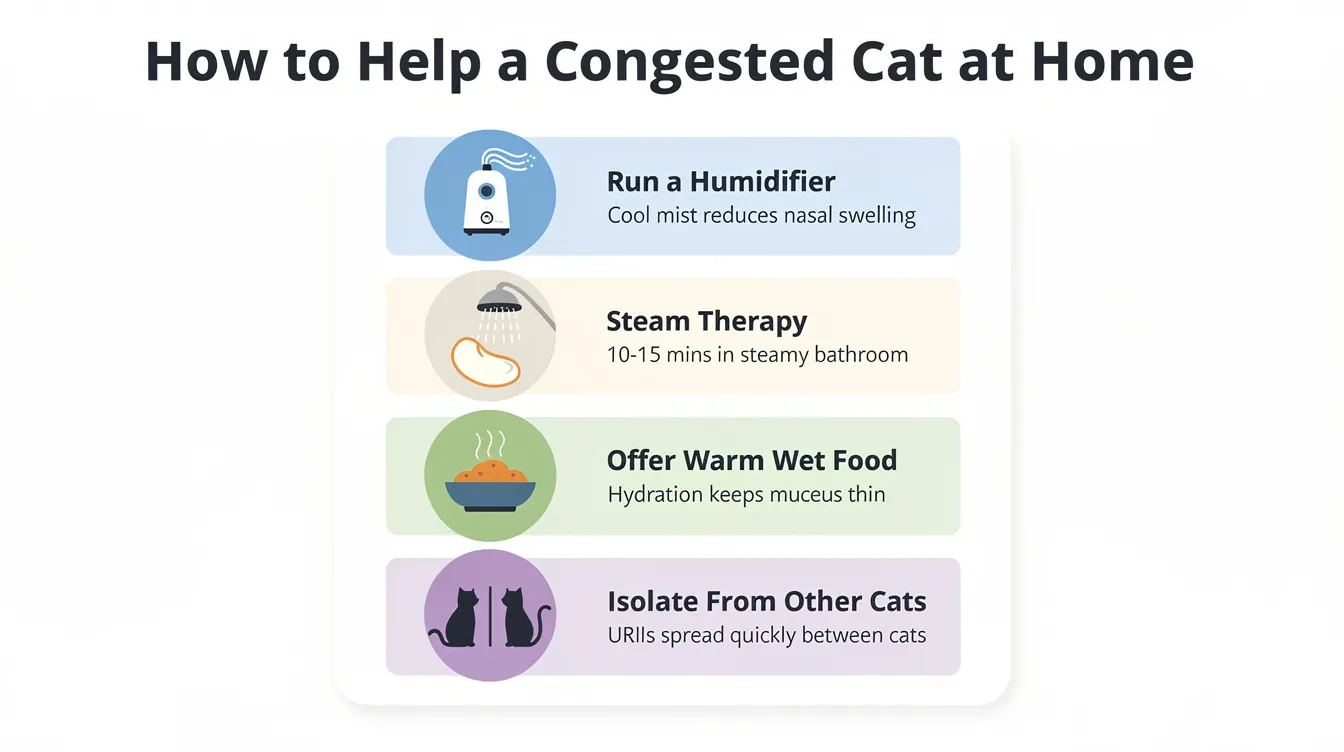
- Steam therapy — bring your cat into the bathroom while you run a hot shower for 10–15 minutes. The single most effective home remedy. Do 2–3 times daily.
- Humidifier — cool-mist humidifier, aim for 45–55% humidity
- Saline nose drops — plain sterile saline (no additives), one drop per nostril
- Warm the food — congested cats cannot smell food. Warming it for 10 seconds releases aroma. Related: My Cat Is Not Eating or Drinking and Very Weak.
- Clean the face — wipe discharge with a warm damp cloth 2–3 times daily
- Remove irritants — stop air fresheners, scented candles, scented litter
- Keep hydrated — wet food, water fountain, adding water to meals
Can It Clear Up on Its Own
| Cause | Clear on Its Own? | How Long |
|---|---|---|
| Dry air / environmental | Yes | 1–2 days with humidifier |
| Mild allergen | Yes — once irritant removed | 24–48 hours |
| Mild viral URI | Sometimes | 7–14 days (may need vet) |
| Bacterial URI | No — needs antibiotics | Gets worse without treatment |
| Nasal polyp | No — needs vet diagnosis | Persists or worsens |
| Foreign object | No — needs removal | Does not resolve |
| Dental disease | No — needs dental treatment | Worsens over time |
When to See the Vet
🩺 See Your Vet If:
- Congestion lasts more than 3 days despite home remedies
- Green or yellow nasal discharge
- Cat stops eating, congested cats cannot smell food
- Open-mouth breathing
- Wheezing from the chest
- Blood from the nose
- Congestion plus eye discharge or squinting. Related: Cat Eye Infection Facts
- Fever, lethargy, or hiding
- One-sided congestion that does not resolve
- Congestion after surgery
Common Mistakes
- Using human decongestants — Vicks VapoRub, Sudafed, and nasal sprays are toxic to cats
- Waiting too long when cat stops eating — cats that don’t eat for 48+ hours risk hepatic lipidosis
- Ignoring one-sided congestion — suggests polyps, foreign body, or dental issues
- Assuming acting normal means fine — can still be an early infection
- Not warming food — a congested cat that cannot smell will not eat
Frequently Asked Questions
If eating, active, and no discharge, monitor 24–48 hours with steam therapy. If it persists beyond 3 days, comes with discharge, or your cat stops eating, see your vet.
No discharge usually means allergies, dry air, or a very early infection before mucus production starts. The nasal passages are swollen but not yet producing discharge. Monitor closely.
Some congestion after anesthesia is possible from intubation and typically resolves within 24–48 hours. If it worsens or your cat isn’t eating, contact your vet.
The Bottom Line
Healthy cats breathe silently, so any congestion deserves attention. Start with steam therapy, a humidifier, and removing irritants.
See a vet if congestion lasts beyond 3 days, produces colored discharge, or your cat stops eating. Never use human decongestants.