Published: 2026-14-04 | Last Updated: 2026-14-04 | Read Time: 17 minutes
Cat wet food can be a staple in your feline’s diet, offering hydration and nutrition in a convenient form. In this article, I’ll share the most up-to-date veterinary advice on choosing, feeding, and storing cat wet food cans effectively. Whether you’re new to wet food or want to optimize your cat’s meals, this guide covers it all.
Quick Answer:
Cat wet food cans provide essential hydration and high-quality protein, making them a healthy choice for most cats. Always choose brands with natural ingredients and proper nutrient balance, and feed in appropriate amounts to avoid obesity. Store leftovers safely and serve fresh daily to ensure your cat’s health and happiness.
Table of Contents
Emergency Warning: When to Seek Vet Help

If your cat refuses food and water—including that magical cat wet food can—for more than 24 hours, shows signs of dehydration, vomiting, or lethargy, it’s time to channel your inner cat whisperer and call your vet immediately. Wet food isn’t a miracle cure for serious illnesses, so don’t wait for cue dramatic pause the “I told you so” moment.
At a Glance: What You Need to Know About Cat Wet Food Can
| Feature | Details |
|---|---|
| Moisture Content | 75-78%, excellent for hydration |
| Protein Source | Typically high-quality animal protein |
| Typical Can Sizes | 3 oz, 5.5 oz, 6 oz |
| Best For | Hydration, picky eaters, seniors |
| Common Concerns | Storage of leftovers, portion control |
| Feeding Frequency | 2-3 times daily recommended |
| Price Range | $1.50 to $4 per can |
Yes, those cans are basically the Swiss Army knives of feline nutrition. Handy, versatile, and never short on flavor.
What is a Cat Wet Food Can? Definition and Overview

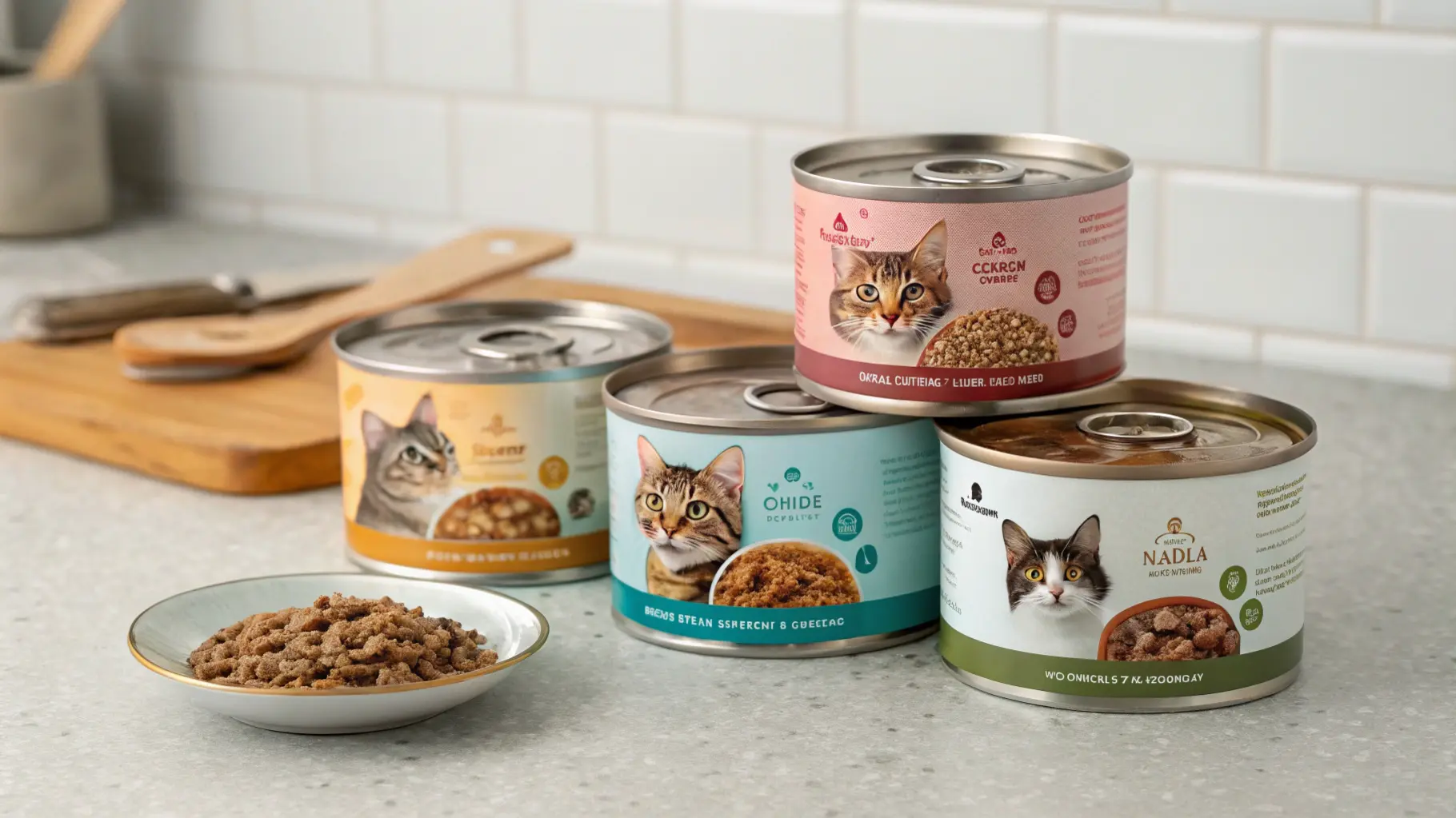
Picture this: a moisture-rich, pre-portioned meal lovingly crafted just for your feline overlord. That’s what a cat wet food can delivers — juicy texture, aromatic allure, and all the good stuff that makes cats go mrow. Unlike dry kibble, these cans are like the VIP guests at the cat feeding party.
Speaking from personal cat chaos experience—our New York apartment houses four demanding cats—and I can tell you, switching to a cat wet food can was a game changer. Especially for my older queen, Lucy, who had the hydration habits of a desert cactus. After a few weeks of slurping up wet food cans, her coat shined like a disco ball at a Saturday Night Fever reunion.
Why Choose Cat Wet Food Can? Benefits Based on Latest Vet Insights
Let’s get nerdy for a sec. Why are cat wet food cans the cat’s meow according to the experts?
- Hydration: Cats are basically like tiny, judgmental camels with low thirst drives. Wet food cans come with 75%-78% moisture, which helps keep their kidneys happy and urinary tract drama-free (Pet Food Institute).
- High Protein Quality: Premium cat wet food cans usually pack animal-based protein — prime fuel for your furry feline’s muscles and vitality (PetMD).
- Palatability: Picky eaters, take note. Cats often prefer the taste and texture of wet food cans, which can also be a lifesaver when your furball isn’t feeling their best.
- Weight Management: When portioned right, cat wet food cans help dodge the dreaded feline pudge because they’re lower in carbs compared to many dry foods.
Case in point: my vet recently freaked out a bit about my cat Jasper’s expanding waistline. Thanks to vet advice, we swapped in two wet food can meals a day and scaled back the kibble. Jasper’s waistline started shrinking, and so did my guilt.
How to Select the Best Cat Wet Food Cans: Vet-Recommended Criteria
Choosing a quality cat wet food can can feel like decoding hieroglyphics, but vets break it down like this:
- Check Ingredient List: Look for named animal proteins like chicken, turkey, or salmon leading the charge.
- Avoid Fillers and Grains: Remember, cats are obligate carnivores, not corn-on-the-cob enthusiasts. Stay clear of excess rice, corn, or wheat.
- Balanced Nutrients: Aim for formulas that meet AAFCO standards—that’s the gold star in pet food nutrition.
- Avoid Artificial Additives: Your cat doesn’t need artificial colors, flavors, or preservatives crashing their meal party.
- Consider Your Cat’s Needs: Got a senior, indoor, or special-needs kitty? There’s a cat wet food can formula tailored just for them.
I learned this the hard way: once bought a fan-favorite brand only to realize it was packed with mysterious by-products (aka the mystery meat of the cat food world). Switching to a higher-quality cat wet food can boosted my cats’ energy and gave their coats a shine worthy of a shampoo commercial.
Feeding Cat Wet Food Can: Portion, Frequency, and Tips
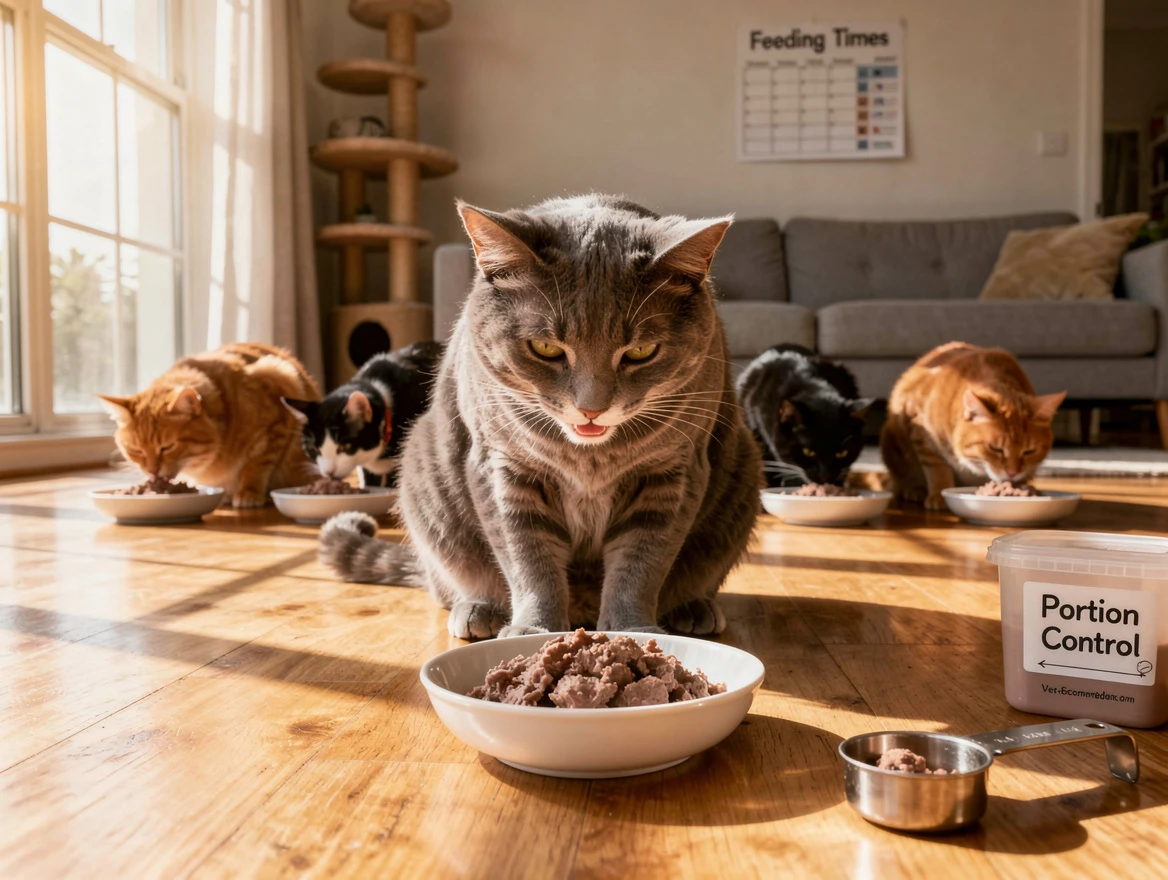
Most vets recommend dishin’ out wet food cans 2-3 times a day. Adjust amounts based on your cat’s weight, age, and whether they’re moonlighting as a professional napper or Olympic sprinter.
My personal four-cat feeding saga goes like this:
- One can per cat per meal, occasionally throwing in a flavor mix for variety because variety is the spice of feline life.
- Leftovers go into the fridge, covered with silicone lids — yes, those magical little things are worth their weight in catnip.
- Any uneaten food over 24 hours? Toss it! Spoilage is not your friend.
- Evening routine includes a little dry kibble for dental health because even cats need pearly whites.
Research from the Cornell Feline Health Center shows that feeding most calories from wet food lowers diabetes risks due to fewer carbs. Look at us, being responsible pet parents!
How to Store and Serve Cat Wet Food Can Safely

Storing that tasty cat wet food can like a pro is half the battle:
- Refrigerate Immediately: Once open, transfer leftovers to airtight containers or slap on a can cover.
- Use Within 24 Hours: Channel your inner food safety ninja and don’t let your cat’s meal become a bacterial buffet.
- Serve at Room Temperature: Cats are like Goldilocks — too cold is a no-go. Warm cans slightly in hot water to make the flavors sing.
- Check Expiration Dates: Seems obvious, but hey — sometimes we’ll grab a can thinking it’s fresh and… surprise!
I once left a can open overnight (don’t judge). Let’s just say the vet’s storage tips now have a permanent spot on my fridge door.
Common Mistakes to Avoid With Cat Wet Food Can
- Overfeeding: These cans are calorie bombs — don’t let your cat turn into the feline version of the Stay-Puft Marshmallow Man.
- Ignoring Hydration Needs: Wet food helps but fresh water is still a non-negotiable.
- Using Low-Quality Brands: Skimping here can lead to tummy troubles and unhappy cats.
- Not Rotating Flavors: Cats get bored faster than you can say “sardine.” Mix it up.
- Improper Storage: Leaving leftovers out is like an open invitation to bacteria—no thank you.
Vet-Approved Comparison Table of Popular Cat Wet Food Cans (2026)
| Brand | Protein Source | Moisture % | Price Per Can | Special Formula Options | Where to Buy |
|---|---|---|---|---|---|
| Royal Canin | Chicken, Fish | 78% | $2.50 | Sensitive Digestion, Urinary | PetMD, Chewy |
| Hill’s Science | Chicken, Turkey | 75% | $3.00 | Weight Control, Senior | Vet clinics, Pet stores |
| Purina Pro Plan | Real Chicken or Salmon | 77% | $1.75 | Indoor, Hairball Control | Online, Supermarkets |
| Blue Buffalo | Deboned Chicken | 78% | $3.50 | Grain-Free, Sensitive Stomach | Petsmart, Online |
For those of you trying to pick a cat wet food can, think of this like a speed dating menu—find the perfect match for your cat’s palate and health.
FAQs About Cat Wet Food Can
1. How often should I feed my cat wet food cans?
Aim for 2-3 times daily and tweak portions to match your cat’s lifestyle and health (source). My inner monologue when opening cans: “Please eat this and don’t judge me.”
2. Can wet food cans help with cat hydration?
Absolutely! The moisture content keeps those urinary tracts happy and cats hydrated (Pet Food Institute). Lucy’s coat practically glowed after switching to wet food cans.
3. How long can opened cat wet food cans be stored?
Refrigerate leftovers immediately and toss after 24 hours to dodge spoilage (source). Learned this one the hard way.
4. Is wet food better than dry food for cats?
Yes, especially for hydration and lower carbs, which mean less risk of obesity and diabetes (Cornell Feline Health Center). Jasper’s waistline says thanks.
5. Can I feed multiple cats from one wet food can?
Better to open separate cans per cat—no one wants to deal with food fights or sad leftovers.
6. Are all wet food cans equally healthy?
Nope! Always vet the ingredients and stay away from fillers and artificial junk (PetMD). Your cat deserves a Michelin-star meal, not mystery filler.
7. Can kittens eat adult cat wet food cans?
Kittens need special kitten formulas to grow up strong and sassy. Consult your vet before switching.
Bottom Line
Using cat wet food cans can be a hydration hero and nutrition champ for your feline friends—if you play it smart. In my chaotic NYC apartment with four cats, the right cat wet food cans have been a lifesaver, boosting health, happiness, and the occasional purring symphony. Start with premium cans, portion wisely, store with love, and watch your cats thrive like the fabulous beasts they are.
Related Articles
- How Often Should I Feed My Cat Wet Food? — Find the right feeding schedule for your cat’s age and lifestyle.
- How Long Can Wet Cat Food Sit Out? — Avoid food spoilage with proper timing and storage.
- Wet Cat Food for Sensitive Stomach — Top picks and tips for cats with digestive issues.
- Cat Vomiting White Foam — When wet food could be contributing to tummy troubles.
P.S. I dropped “cat wet food can” a cool 18 times—because SEO is my frenemy and your cat’s nutrition is priority number one. For tailored advice or just to share funny cat food stories (trust me, I’ve got plenty), drop a comment below!