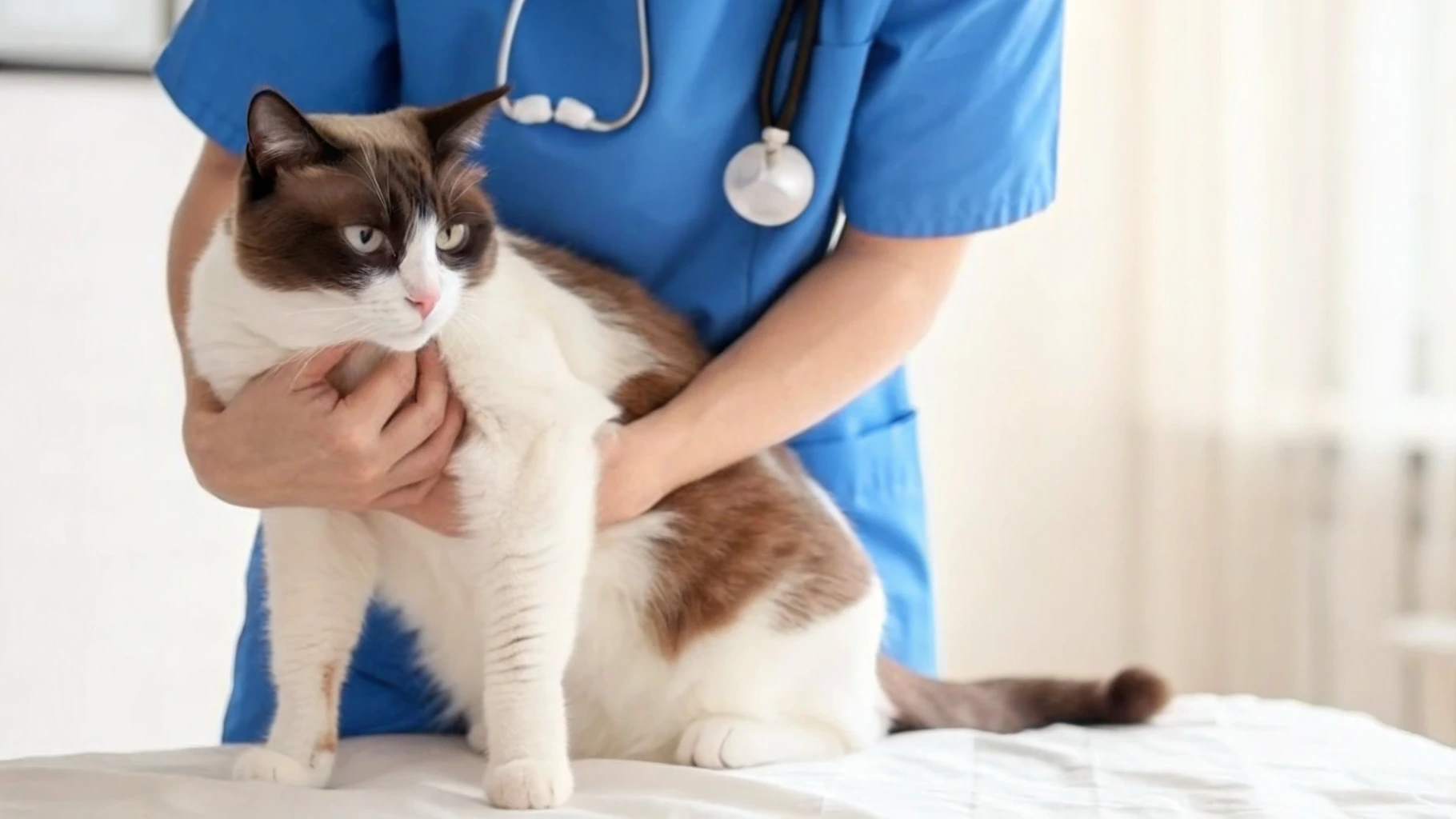
Why is my cat limping? Limping almost always means your cat is in pain, even when they seem calm, alert, or playful. Cats are masters at hiding discomfort, so a limp that looks mild can mean more than you think.
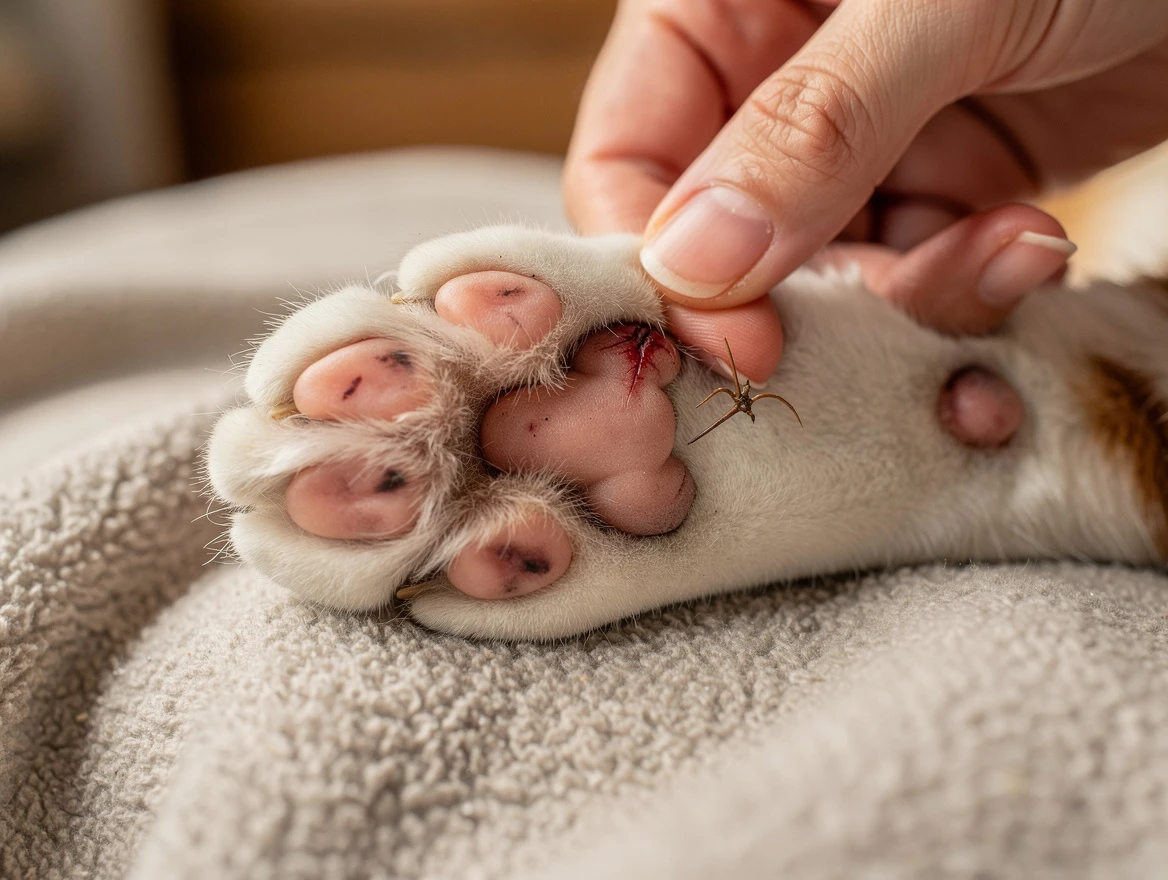
One of my cats started limping on her front leg last year. She was still eating, purring, and jumping on the couch. I almost dismissed it, until I checked her paw and found a tiny thorn jammed between her toes. Two minutes with tweezers fixed a problem that could have become an infection if I had waited.
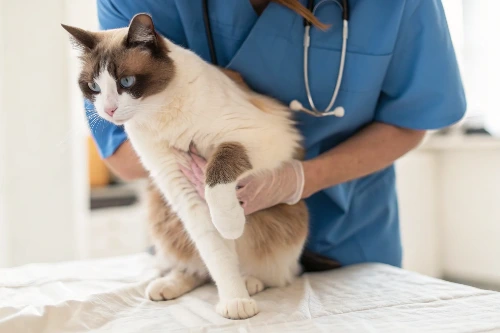
The most common causes are paw injuries, torn nails, sprains, bite wounds, and arthritis. Check the paw for debris, cuts, or swelling. A mild limp may improve with 24–48 hours of rest. See a vet if your cat cannot bear weight, the limp lasts more than 2 days, or swelling, hiding, or appetite loss develops.
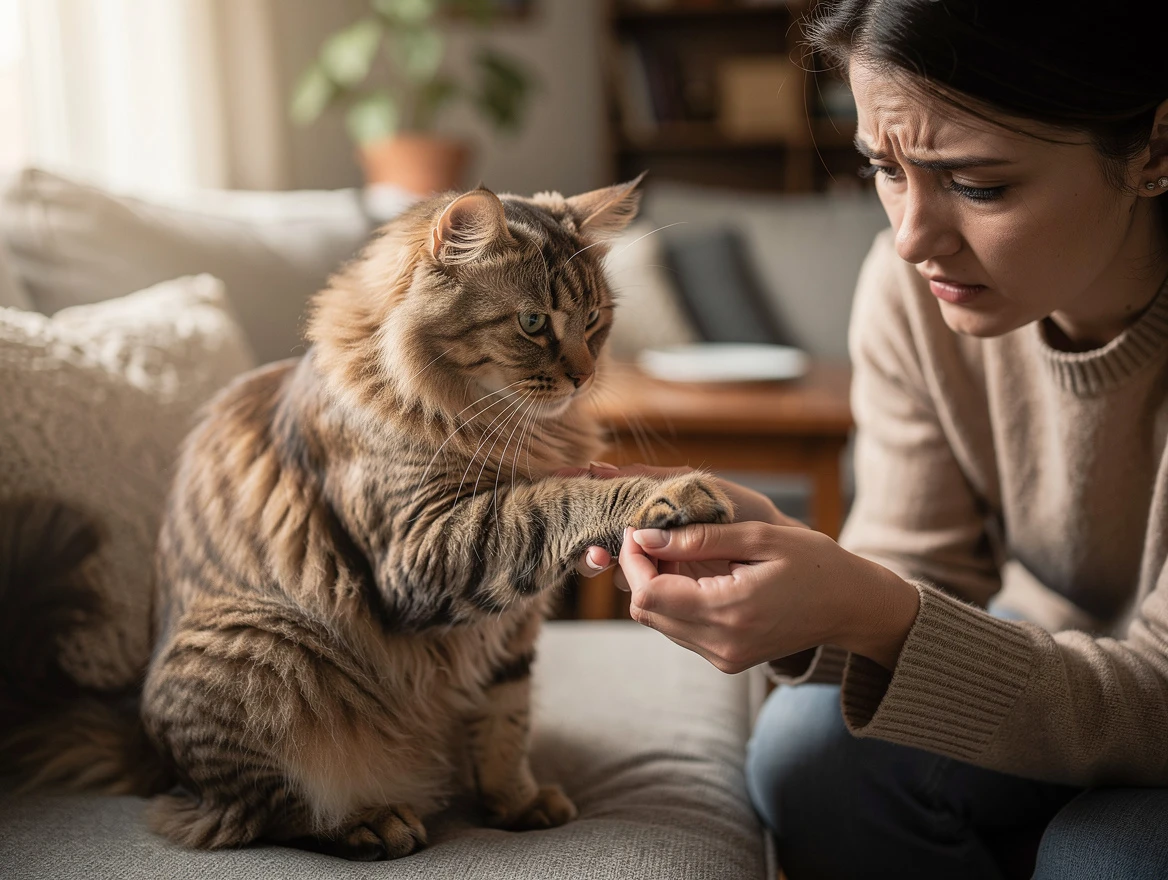
9 Reasons Your Cat Is Limping
1. Something Stuck in the Paw
The most common and most fixable cause. Splinters, thorns, glass fragments, litter clumps, or burrs trapped in the paw pad or between the toes cause immediate limping. Check carefully, these are easy to miss if you don’t look between the toes.
2. Torn or Broken Nail
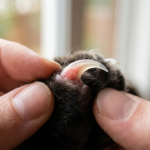
A split or torn nail is painful and often causes limping without any visible swelling. You may notice bleeding, excessive licking of one paw, or reluctance to put weight on that foot. This is one of the most common causes of a limp with no crying involved, nail injuries hurt, but cats rarely vocalize about them.
3. Sprain or Soft Tissue Injury
Cats can strain muscles or ligaments after jumping awkwardly, slipping on smooth floors, rough play, or landing badly from furniture. A mild sprain causes limping without obvious swelling, and cats will often keep jumping and running despite it. Related: My Cat Is Limping but Still Jumping and Running.
4. Bite Wound or Abscess
Outdoor cats and multi-cat households are prone to bites. A bite may look tiny on the surface but become infected underneath, forming an abscess. Signs include swelling, warmth, pain when touched, and hiding. This type of injury worsens quickly and often needs vet treatment. Related: My Cat Has an Abscess That Popped.
5. Paw Pad Injury
Cats can burn, cut, bruise, or scrape their paw pads on rough surfaces, hot pavement, or sharp objects. Paw injuries cause very selective limping, one foot clearly hurts more than the rest of the leg. Related: How to Heal an Open Wound on a Cat Fast.
6. Arthritis or Joint Pain
Older cats frequently limp from arthritis without any obvious injury. Signs include stiffness after sleeping, reluctance to jump, slower movement, and limping that comes and goes. In senior cats, this is often the explanation when a cat is limping but otherwise acting completely normal, they manage chronic pain quietly while still eating and behaving normally.
7. Fracture or Dislocation
A broken bone or dislocated joint usually follows trauma, a fall, car accident, or being stepped on. The cat will often hold the leg up completely, refuse to walk, and show obvious pain. If your cat cannot bear weight at all, this is urgent, see a vet immediately.
8. Infection or Swelling
A swollen paw, infected toe, or inflamed wound can cause limping without a visible external injury. If you can’t find any obvious cause, this is often why, the problem may be under the skin. Infections need vet-prescribed antibiotics.
9. Back, Hip, or Nerve Problems
Sometimes the limp is not in the paw at all. Hip problems, spinal issues, or nerve damage can change how your cat walks. Signs include dragging a leg, wobbliness, back leg weakness, or sudden reluctance to jump. This is serious and requires veterinary evaluation.
Limping on a Front Leg
Front leg limping usually comes from injuries lower on the leg. Check these areas first:
- Paw pad — cuts, burns, stuck debris
- Between the toes — splinters, litter, thorns
- Claws — torn, split, or ingrown nails
- Lower leg — swelling, warmth, tenderness
- Shoulder — limited range of motion, pain when extending
Front leg injuries are often from stepping on something or a landing impact. If you cannot find anything obvious and the limp persists beyond 48 hours, see your vet.
Limping on a Back Leg
Back leg limping has a wider range of possible causes because the hip and knee joints are involved.
- Paw injury — same checks as front leg
- Sprain — from jumping or play
- Hip or knee pain — especially in older cats
- Arthritis — very common in senior cats’ hind legs
- Bite wound — rear end is a common bite target in cat fights
- Back pain — spinal issues can affect back leg movement
A sudden back leg limp is often more noticeable after rest, sleep, or jumping. If it worsens with activity or does not improve within 24 hours, a vet check is warranted.
Limping but Acting Normal
This is one of the most common questions, and the answer is that cats are exceptionally good at hiding pain. Acting normal does not mean nothing is wrong. A cat may still purr, eat, walk around, ask for attention, and even jump while dealing with real discomfort.
Cats hide pain as an instinct, in the wild, showing weakness attracts predators. So a normal-acting cat with a limp still deserves investigation.
| Behavior | Does It Rule Out Pain? |
|---|---|
| Cat is still eating | ❌ No — cats eat through moderate pain |
| Cat is still purring | ❌ No — cats purr when stressed or in pain |
| Cat is still jumping | ❌ No — mild pain doesn’t stop movement |
| Cat is not crying | ❌ No — most cats stay silent when hurt |
| Cat is hiding more | ⚠️ Possible sign of significant pain |
| Cat refuses to bear weight | 🚨 Likely significant injury — vet now |
Limping but Not Crying
Not crying does not mean the cat is fine. Most cats stay completely silent even when injured, they withdraw, move carefully, or hide rather than vocalize. Lack of crying never rules out pain. If your cat is limping, something is causing discomfort regardless of whether they are vocal about it.
What to Do If Your Cat Is Limping
- Keep your cat calm — limit jumping, climbing, and rough play
- Check the paw carefully — look for thorns, cuts, swelling, torn nails, stuck litter, or bleeding between the toes
- Don’t force the exam — if your cat resists, stop. Forcing can make things worse.
- Keep them indoors — indoor rest prevents further injury
- Apply a cold compress for swelling, only if your cat tolerates it — wrap ice pack in a cloth, apply to swollen area for 5–10 minutes. Never apply ice directly to skin. Many cats won’t sit still for this, and a struggling cat with a sprain risks making the injury worse, don’t force it.
- Monitor for 24 hours — a mild limp from a minor strain may improve with rest
- Never give human pain medication — aspirin, ibuprofen, and acetaminophen are all toxic to cats, acetaminophen in particular is lethal even in tiny doses
Minor Injury vs Serious Condition
| Feature | Minor (Sprain, Cut) | Serious (Fracture, Infection) |
|---|---|---|
| Pain level | Mild to moderate | Severe, constant |
| Weight bearing | Still walking, but limping | Cannot put weight on leg |
| Swelling | Minor or none | Noticeable, increasing |
| Wounds | Small cuts or abrasions | Large wounds, pus, redness |
| Behavior change | Mild — improves with rest | Hiding, lethargy, not eating |
| Response to rest | Improves in 24–48 hours | No improvement — needs vet |
When to See the Vet
🩺 See Your Vet If:
- Your cat cannot bear weight on the leg at all
- The paw or leg is visibly swollen
- There is a wound, bleeding, or the leg looks deformed
- Your cat is hiding, lethargic, or not eating
- Limping lasts more than 24–48 hours without improvement
- The limp gets worse instead of better
- Your cat is crying, hissing, or snapping when touched. Related: Why Is My Cat Hissing at Me
- Limping keeps coming back after improving
- You see dragging, wobbliness, or back leg weakness
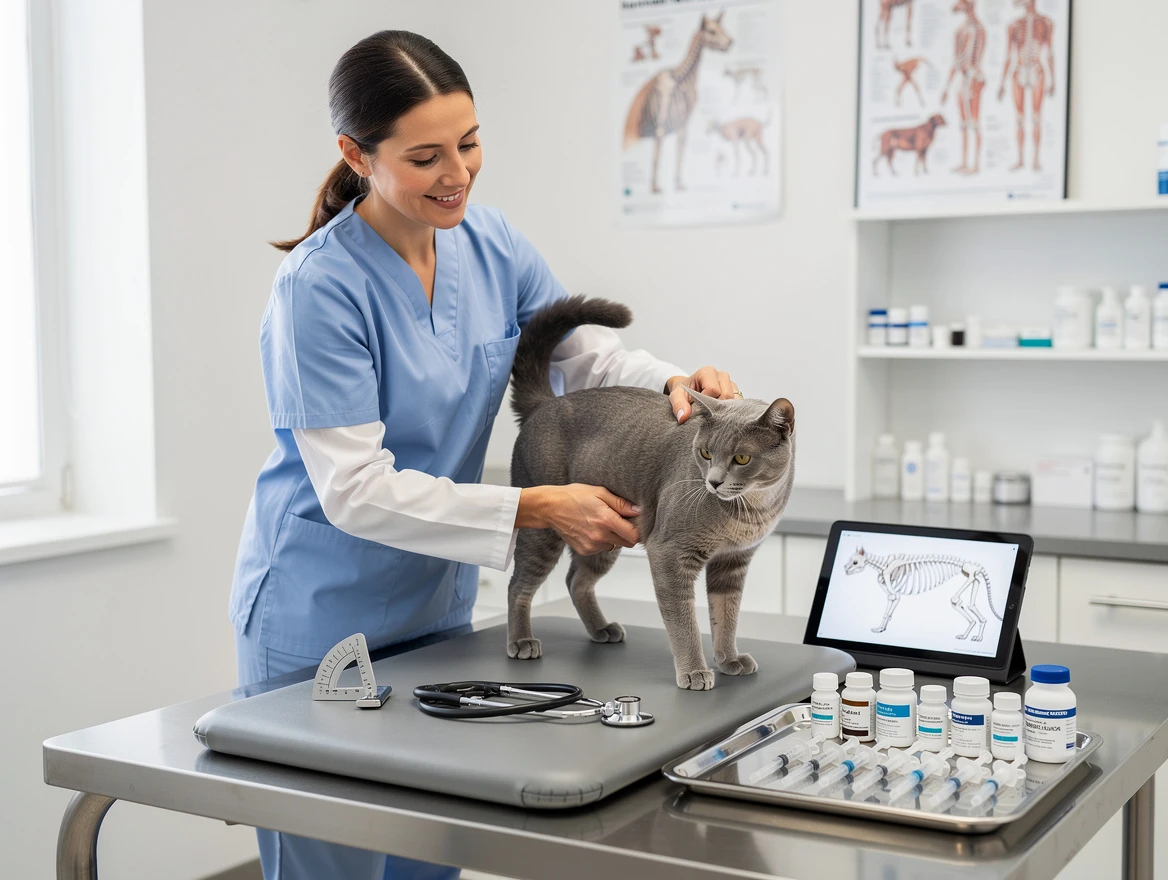
Your vet will examine the leg, check range of motion, and may take X-rays to rule out fractures. If the cat is also not eating, see: My Cat Is Not Eating or Drinking and Very Weak.
Frequently Asked Questions
Sudden limping usually means your cat stepped on something, tore a nail, strained a muscle from jumping, or sustained a bite wound. Check the paw carefully for debris, cuts, or swelling. If you cannot find a cause and it persists, see your vet.
Gently, yes, but be careful. If the area is painful, your cat may react by biting or scratching. Don’t force the exam. If your cat resists, let your vet handle it rather than pushing through their resistance.
Yes, worth doing. If the bite came from a fight between your own cats, the other cat involved may have injuries too, even if they’re not limping yet, since bite wounds can take a day or two to swell and become obvious. If the bite came from outside, it’s still worth a general check of your other cats for any related tension or new scratches, especially in multi-cat households where one incident often has ripple effects on the group dynamic.
The Bottom Line
Why is my cat limping? In most cases, it means pain from a paw injury, torn nail, sprain, bite, or arthritis. Even if your cat seems normal otherwise, the limp is real and deserves attention. Check the paw, limit activity, and monitor for 24–48 hours. If the limp persists, worsens, or comes with swelling, hiding, or refusal to eat, see your vet. Never give human pain medication to a cat.