Published: 27 March 2026 | Last Updated: 27 March 2026 | Read Time: 9 minutes
Table of Contents
Why is my cat limping? In most cases, limping means your cat is in pain, even if they still seem calm, alert, or playful. A limp can happen because of a sore paw, a torn nail, a bite, a sprain, arthritis, or something more serious like a fracture or infection.
If you’ve been wondering why is my cat limping all of a sudden, the first step is to stay calm and look for obvious signs of injury. Some mild limps improve with rest, but a limp that lasts more than a day, gets worse, or comes with swelling, hiding, or loss of appetite should be checked by a vet.
This guide will walk you through the most common reasons cats limp, what to check at home, and when to stop waiting and call your vet.
Why Is My Cat Limping? Quick Answer
A limping cat is usually dealing with pain or discomfort in the paw, leg, joint, muscle, or back. The cause may be minor, like a small cut or sore nail, or more serious, like a sprain, bite wound, infection, or broken bone.
Common reasons include:
- something stuck in the paw
- torn nail
- sprain or soft tissue injury
- bite or abscess
- arthritis
- fracture
- joint pain
- swelling or infection
- nerve or spinal issues
Even if my cat is limping but acting normal, the limp should still be taken seriously because cats often hide pain very well.
Why Is My Cat Limping All of a Sudden?
If your cat was walking normally earlier and is suddenly limping now, something likely changed quickly.
That sudden change may be caused by:
- jumping from a high surface and landing badly
- a paw pad injury
- stepping on something sharp
- a torn or split nail
- a bite from another animal
- a strain during play
- swelling from an unseen injury
When people search why is my cat limping all of a sudden, they often worry about a broken bone, but not every sudden limp is that severe. Still, sudden limping always deserves attention.
According to PetMD, limping is often linked to pain, trauma, or inflammation, and even cats that seem fine may still be hurting.
9 Common Reasons Your Cat Is Limping
1. Something Is Stuck in the Paw
One of the most common causes is something trapped in the paw pad or between the toes.
Examples:
- splinter
- thorn
- burr
- litter clump
- glass fragment
This is often the first thing to check if my cat is limping but still using his paw.
Look carefully for:
- swelling
- redness
- debris between toes
- sensitivity when touched
- licking at one paw
2. Torn or Broken Nail
A damaged nail is painful and easy to miss if you don’t examine the paw closely.
A torn nail may cause:
- limping
- bleeding
- sudden licking
- reluctance to put weight on the foot
- discomfort without crying
This can explain my cat is limping but not crying. Cats don’t always vocalize pain.
3. Sprain or Soft Tissue Injury
Cats can strain a muscle or ligament after:
- jumping awkwardly
- slipping on smooth floors
- rough play
- falling
- landing badly from furniture
A mild strain may cause limping without obvious swelling. It’s common in cats that are still active, which is why my cat is limping but still jumping and running is a real thing. They may still move around, even when sore.
4. Bite Wound or Abscess
Outdoor cats and multi-cat households are especially prone to bites. A bite may look tiny on the outside but become infected underneath the skin.
Signs include:
- limping
- swelling
- warmth
- pain when touched
- hiding
- reduced appetite
This type of injury can worsen quickly and often needs vet treatment.
5. Paw Pad Injury
Cats can burn, scrape, bruise, or cut their paw pads on rough surfaces, hot pavement, or sharp objects.
This can explain:
- why is my cat limping front leg
- why is my cat limping back leg
- cat suddenly limping back leg
A paw injury often causes very selective limping, especially if one foot hurts more than the rest of the leg.
6. Arthritis or Joint Pain
Older cats may limp because of arthritis, even if they don’t seem obviously “injured.”
Signs of arthritis include:
- stiffness after sleeping
- limping on and off
- reluctance to jump
- less grooming
- slower movement
- mild personality changes
This may be the answer to why is my cat limping but acting normal—especially in senior cats. They may still eat and behave normally while managing chronic discomfort.
7. Fracture or Dislocation
A broken bone or dislocated joint is more serious and often follows trauma.
Watch for:
- severe limp
- leg held up completely
- swelling
- obvious pain
- refusal to walk
- unusual leg position
If your cat cannot bear weight at all, this is urgent.
The PDSA explains that limping can result from both minor and serious causes, including trauma and joint disease.
8. Infection or Swelling
A swollen paw, infected toe, or inflamed wound can all make a cat limp.
Searches like:
- why is my cat limping with no sign of injury
- why is my cat’s paw swollen and limping
- why is my cat’s leg swollen and limping
often point to inflammation, infection, or an abscess that isn’t immediately obvious.
9. Back, Hip, or Nerve Problems
Sometimes the limp is not actually in the paw at all. Problems in the hip, spine, or nerves can change how your cat walks.
Signs may include:
- dragging a leg
- wobbliness
- back leg weakness
- sudden reluctance to jump
- limping without paw pain
This is worth taking seriously, especially if the limp is severe or paired with weakness.
Why Is My Cat Limping but Acting Normal?
This is one of the most common and confusing situations for cat owners.
My cat is limping but acting normal may mean:
- the pain is mild
- the problem just started
- your cat is hiding discomfort
- the injury is localized but not severe enough to change behavior dramatically
Cats are very good at masking pain. A cat may still:
- purr
- eat
- walk around
- jump
- ask for attention
and still be hurting.
So yes, my cat is limping but acting normal can still mean something real is wrong.
Why Is My Cat Limping but Not Crying?
Cats often limp without making noise. That’s completely normal behavior.
My cat is limping but not crying does not mean the cat is fine. Many cats stay quiet even when they’re injured.
They may:
- withdraw instead of cry
- hide instead of complain
- move carefully instead of vocalizing
This is one reason limping should never be dismissed just because your cat seems quiet.
Why Is My Cat Limping Front Leg?
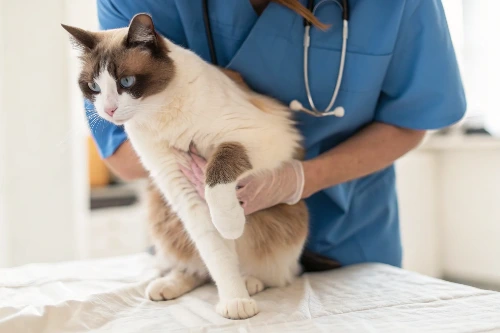
If the limp seems isolated to one front leg, common causes include:
- paw injury
- torn nail
- shoulder strain
- bite wound
- cut or splinter
- joint pain
If you’re wondering why is my cat limping front leg, check:
- paw pad
- between the toes
- claws
- lower leg for swelling
- shoulder range of motion
Why Is My Cat Limping Back Leg?
If the limp is in the rear leg, possible causes include:
- sprain
- hip or knee issue
- bite wound
- paw injury
- arthritis
- back pain
This is especially relevant if your search is:
- why is my cat limping back leg
- cat suddenly limping back leg
Back leg limps may also be more obvious after sleep, play, or jumping.
What Should I Do If My Cat Is Limping?
Here’s what to do right away:
1. Keep your cat calm
Limit jumping, climbing, and rough play.
2. Check the paw carefully
Look for:
- thorns
- cuts
- swelling
- torn nails
- bleeding
- stuck litter or debris
3. Don’t force movement
If your cat resists, stop. Pushing too hard can make things worse.
4. Keep them indoors
Indoor rest helps prevent further injury.
5. Monitor for 24 hours
If the limp is mild and your cat is otherwise well, short monitoring may be reasonable.
6. Call the vet sooner if it worsens
Especially if there is:
- swelling
- crying
- not eating
- hiding
- severe limp
- inability to bear weight
If your cat also stops eating or starts acting unusually withdrawn, take that seriously. Behavioral changes can matter just as much as physical ones.
When to Worry About a Limping Cat
You should contact a vet sooner rather than later if:
- the limp is severe
- your cat won’t put weight on the leg
- the paw is swollen
- there’s a wound or bleeding
- your cat is hiding or lethargic
- appetite drops
- limping lasts more than 24–48 hours
- the limp keeps coming back
- your cat seems painful when touched
The Cornell Feline Health Center is a useful trusted source for cat health education, and veterinary evaluation is always the safest route when limping doesn’t improve quickly.
FAQs About Cat Limping
What should I do if my cat is limping?
Check the paw and leg carefully, limit activity, and monitor closely. If limping lasts more than a day or gets worse, contact your vet.
How long can a limping cat heal itself?
A mild strain or sore paw may improve in 24 to 48 hours, but ongoing limping should not be ignored.
Why is my cat limping but still using his paw?
Cats can still use a painful paw if the injury is mild. Small cuts, sore pads, nail injuries, or minor strains can all cause this.
Will a cat limp go away on its own?
Some mild limps do improve with rest, but not all. A limp that continues or worsens needs veterinary attention.
Will a cat still purr if it’s in pain?
Yes. Cats may purr when stressed, uncomfortable, or in pain, so purring does not always mean they are fine.
Is it safe to touch my cat if it is limping?
Gently, yes—but be careful. If the area is painful, your cat may react. Don’t force the exam.
Why is my cat limping but acting normal?
Cats hide pain well. A cat may still eat, walk, and interact normally while dealing with discomfort.
Why is my cat limping but not crying?
Cats often stay quiet even when hurt. Lack of crying does not rule out pain.
Why is my cat limping on the front leg?
Front leg limping often comes from paw injuries, torn nails, bites, strains, or shoulder pain.
Why is my cat limping on the back leg?
Back leg limping can be caused by sprains, paw pain, arthritis, bite wounds, or hip and knee problems.
Final Thoughts
If you’ve been asking why is my cat limping, the short answer is that limping usually means pain, even when your cat seems otherwise normal.
And if you’re wondering why is my cat limping all of a sudden, the most common causes are:
- paw injury
- torn nail
- strain
- bite wound
- swelling
- arthritis flare
- more serious trauma
A mild limp may improve with rest, but a persistent or severe limp deserves prompt attention.