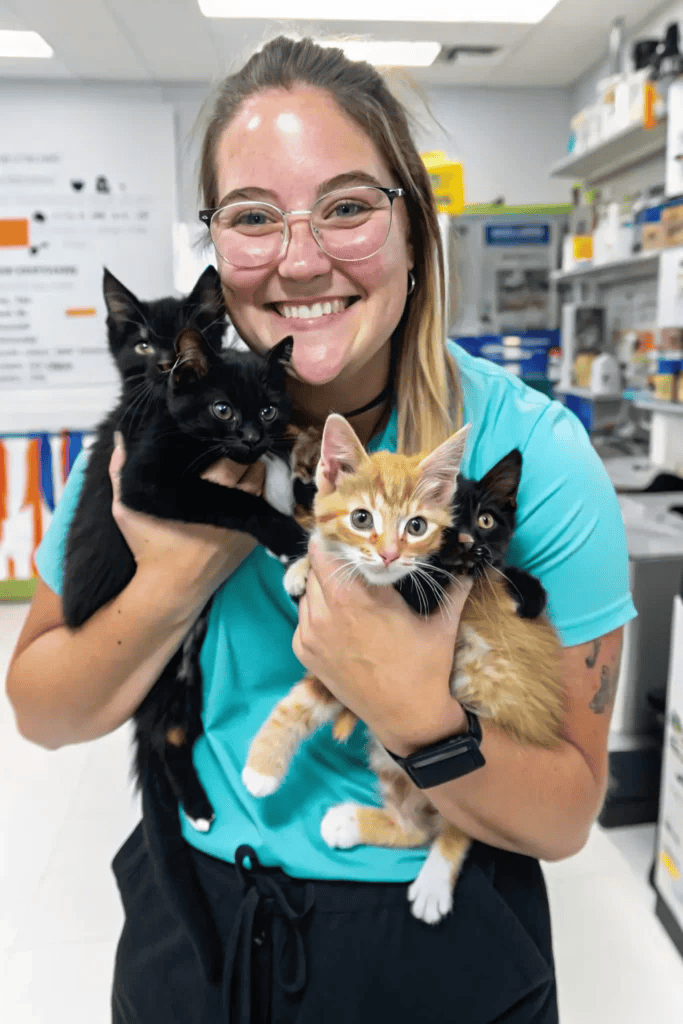
You do not need to spend a single dollar to remove pet hair from your home. Everything you need is already in your kitchen, bathroom, or laundry room. I live with four cats, and after years of testing expensive pet hair removal products and tools, the simplest household items work better than the best pet hair removal products you can buy.
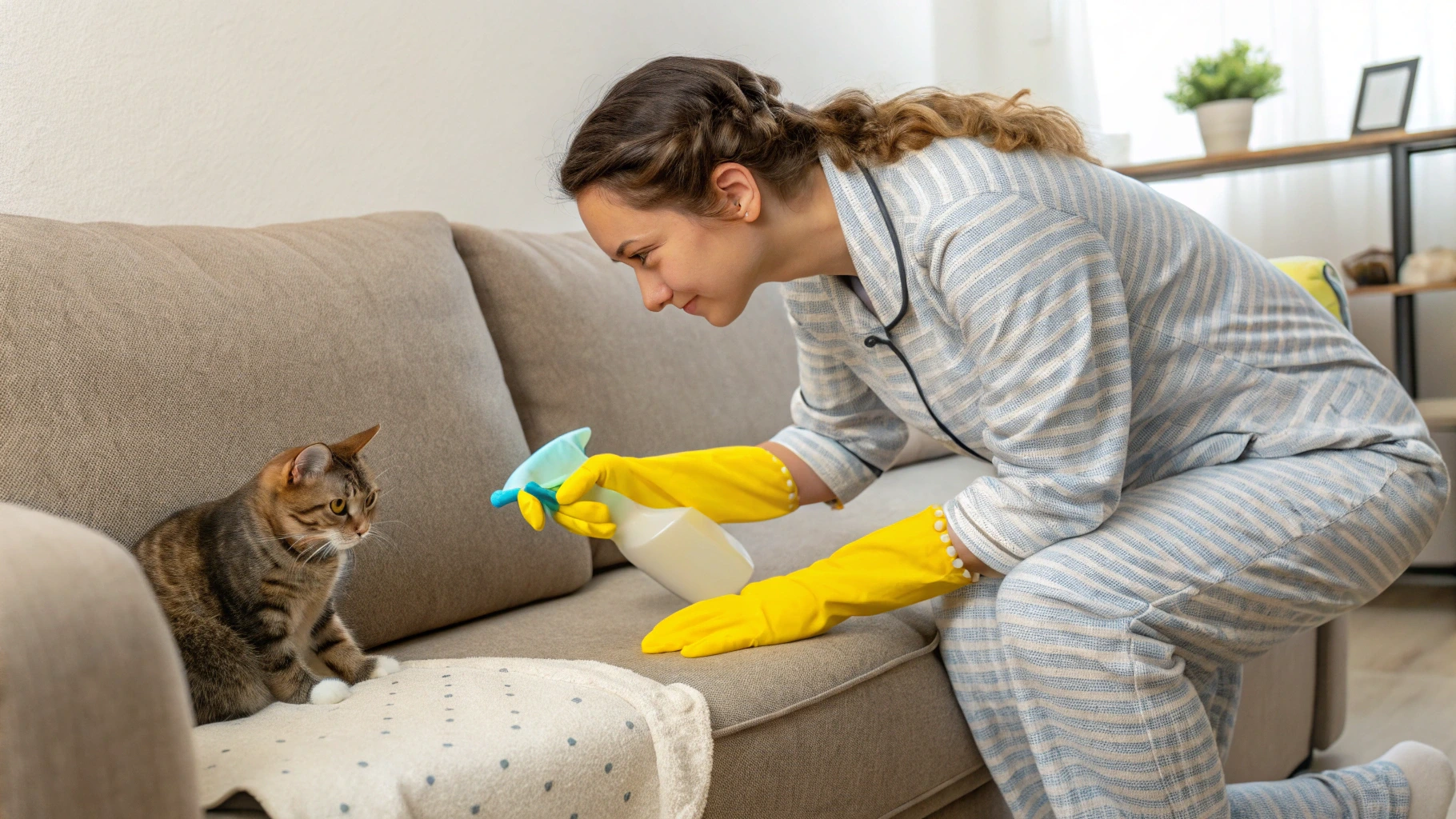
The fastest way to remove pet hair from furniture is a pair of damp rubber gloves, run your hands across the fabric and hair balls into clumps in seconds. For carpet, a rubber window squeegee pulls up more hair than vacuuming alone. For laundry, tumble dry BEFORE washing, the lint trap catches most hair before water pushes it deeper into fabric.
Need to Remove Pet Hair Right Now? Fastest Methods
If you are reading this in a frustration moment, here are the 4 fastest methods using items you already have:
- Damp rubber gloves — put on dishwashing gloves, dampen slightly, rub across any fabric surface. Works in under 2 minutes.
- Damp sponge — drag a wet kitchen sponge across furniture in one direction. Instant results.
- Packing tape — wrap around your hand sticky-side out, pat clothes. Emergency lint roller.
- Damp microfiber cloth — wipe hard floors or leather. Traps hair instead of scattering it.
Those 4 methods cost nothing and work in minutes. For deeper cleaning and long-term solutions, keep reading.
Best Household Item for Each Surface
| Surface | Best Item | How It Works |
|---|---|---|
| Fabric sofa/chairs | Damp rubber gloves | Friction balls hair into clumps |
| Leather furniture | Damp microfiber cloth | Hair clings to damp cloth |
| Clothes | Dryer + white vinegar | Tumbling loosens hair, vinegar releases it |
| Carpet | Window squeegee | Rubber edge pulls hair from fibers |
| Car seats | Damp rubber gloves + vacuum | Best method for pet hair in cars |
| Bedding | Dryer cycle before washing | Lint trap catches bulk of hair |
| Hardwood/tile | Damp microfiber mop | Static attracts hair instead of scattering |
| Laundry | White vinegar in rinse cycle | Softens fibers so hair rinses away |
10 Free Hacks to Remove Pet Hair
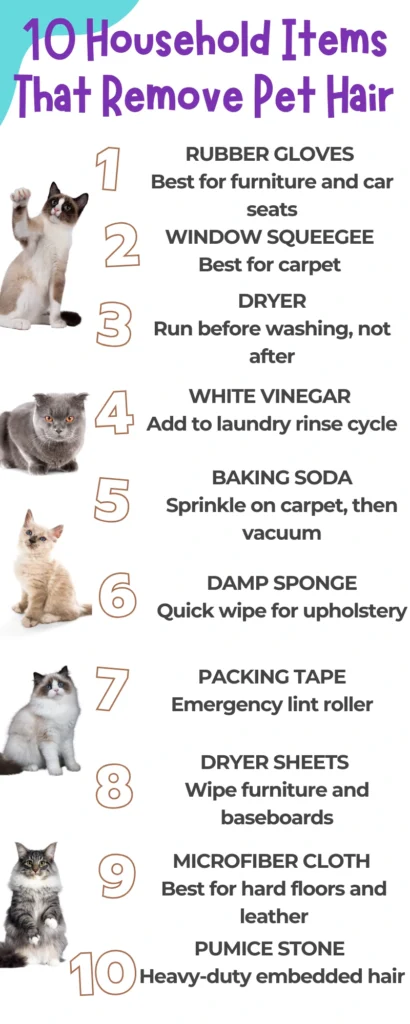
1. Damp Rubber Gloves — The Best Pet Hair Remover You Already Own
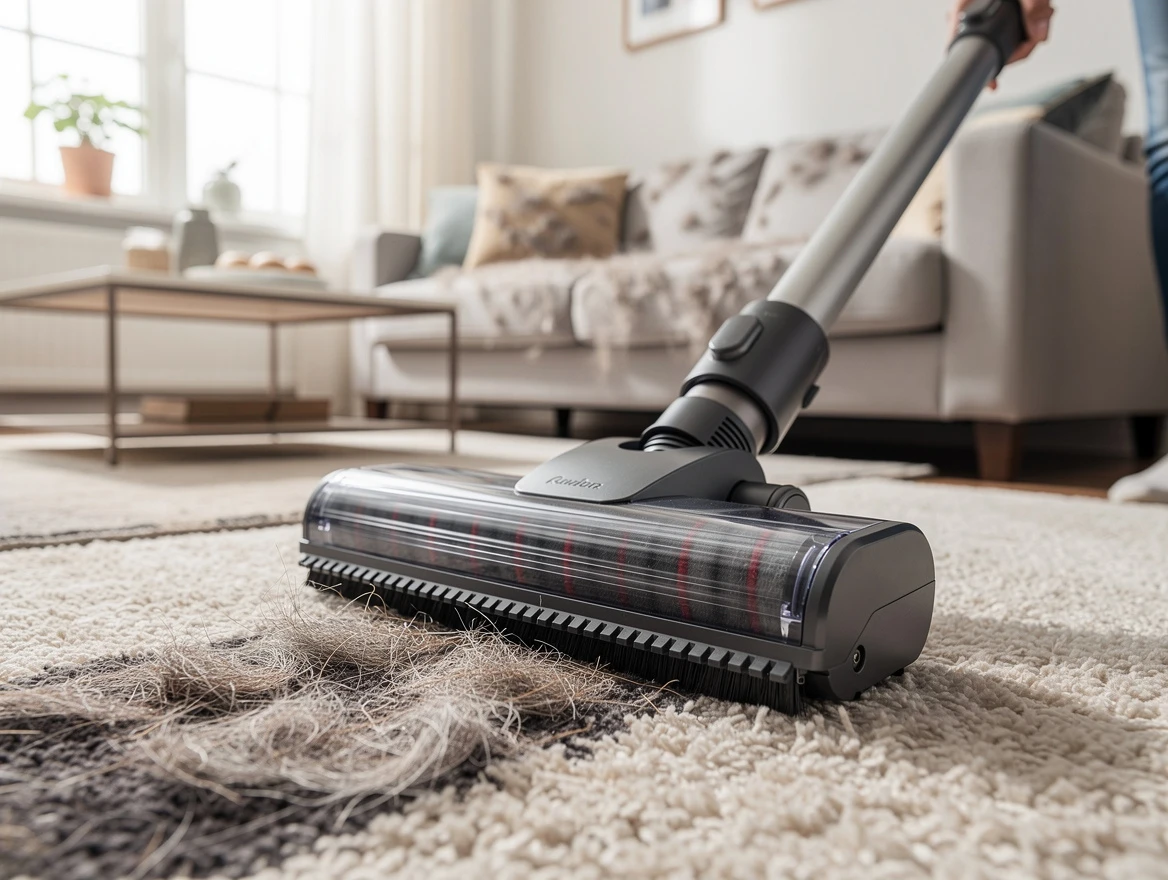
Put on yellow dishwashing gloves, get them slightly damp, and run your hands across any fabric surface in one direction. The rubber creates friction that balls pet hair into clumps you pick right off. I tested this on my microfiber couch covered in short-haired cat fur, it removed roughly 80% of visible hair in under 2 minutes. Works on sofas, armchairs, car seats, cushions, and curtains. After the glove pass, vacuum with the upholstery attachment, together they remove far more hair than either method alone.
2. Window Squeegee on Carpet
Drag a rubber window squeegee across carpet in short, firm strokes. The rubber edge physically pulls hair up from between carpet fibers that vacuum suction misses. I tried this on a section I had just vacuumed, the amount of cat hair it pulled up filled my entire hand. I now consider vacuuming alone to be only half the job. I squeegee before vacuuming once a week now.
3. Dryer First, Wash Second — The Laundry Game Changer
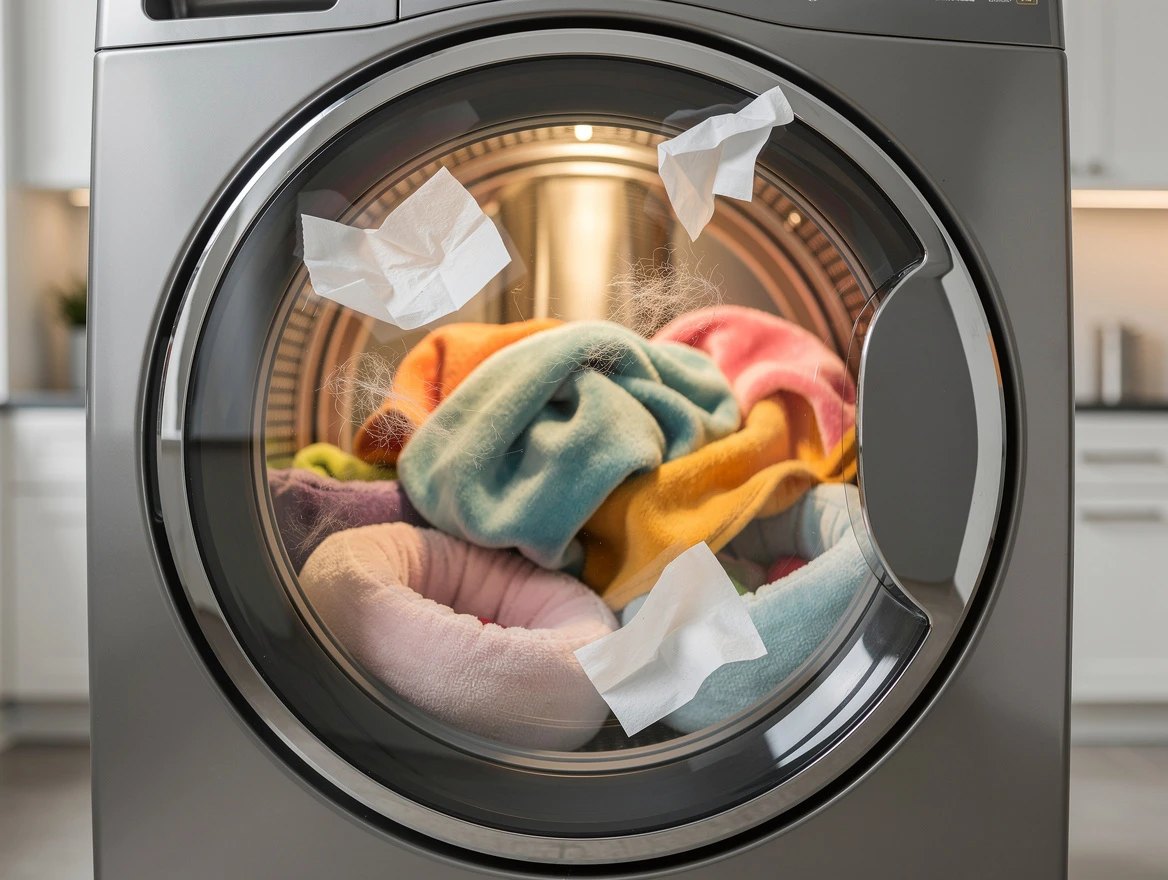
Throw pet-hair-covered clothes in the dryer for 10 minutes on low heat BEFORE washing. The tumbling loosens hair and the lint trap catches most of it. Water actually pushes hair deeper into fabric, drying first removes it while it is still on the surface. I tested this side-by-side: one pair of black jeans washed first, one dried first. The dried-first pair came out with almost zero hair. The washed-first pair still had visible white cat hair embedded in the fabric.
4. White Vinegar — The Secret Weapon
Add 1/2 cup of white vinegar to your washing machine rinse cycle, it softens fabric fibers and releases trapped pet hair so it washes away. Mix equal parts vinegar and water in a spray bottle and mist furniture before wiping with a damp cloth. Add 1 cup to a mop bucket for hard floors, it cuts through static cling that makes hair stick. One $2 bottle lasts months.
5. Baking Soda on Carpet
Sprinkle a thin layer of baking soda across carpet, let it sit 10–15 minutes, then vacuum on high suction. Baking soda’s fine, slightly abrasive texture helps loosen hair that’s worked its way into carpet fibers, and as a bonus absorbs pet odors trapped deep in the carpet. I do this once a month, I tested this on a 6×4 carpet section, the vacuum picked up a full extra handful of cat hair compared to vacuuming the same section without baking soda.
6. Damp Sponge on Upholstery
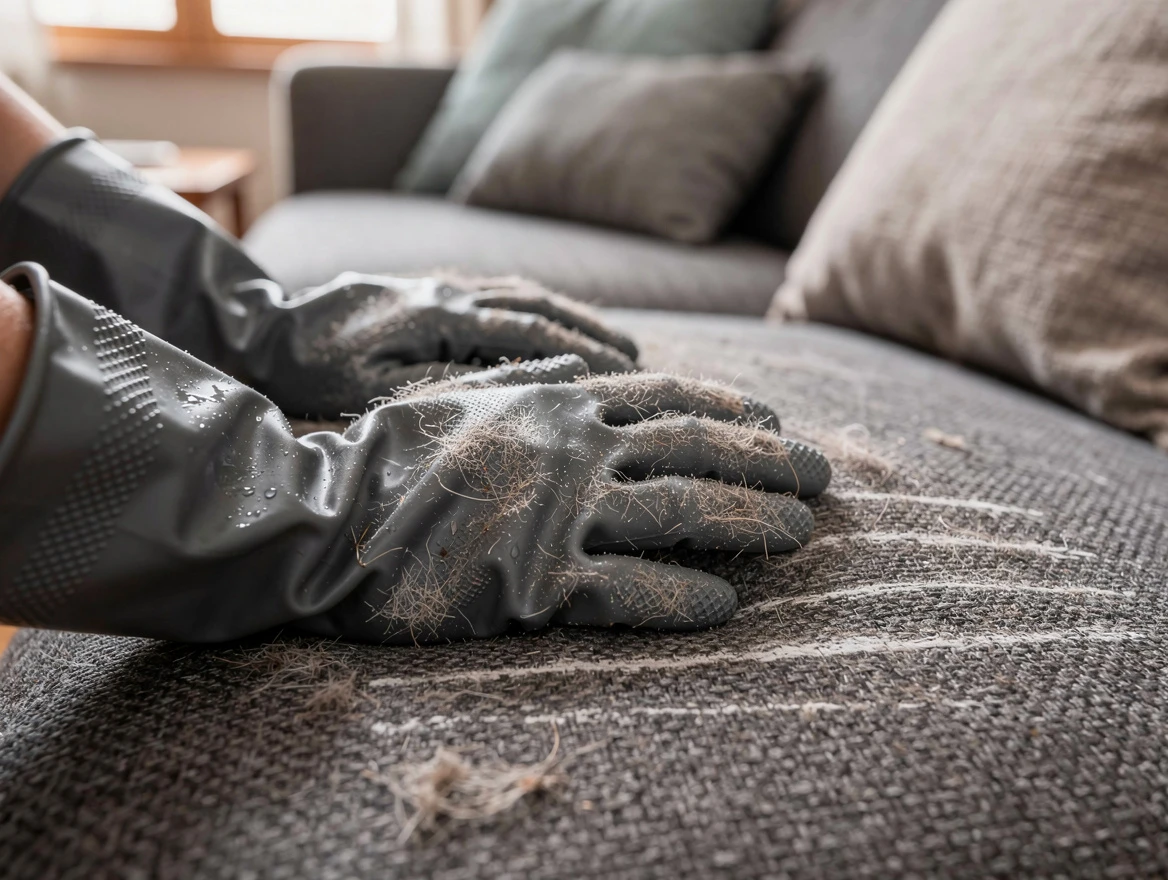
Get a clean kitchen sponge slightly damp and drag it across fabric in one direction using firm strokes. Hair collects on the damp surface. Slightly less effective than rubber gloves but perfect for quick touch-ups when you do not have gloves handy. Works on couches, chairs, lampshades, and curtains.
7. Packing Tape — The Emergency Fix
About to walk out the door covered in pet hair? Wrap packing tape around your hand sticky-side out and pat your clothes. It is a DIY lint roller that works just as well for emergencies. Keep a roll in your desk drawer or car glove box.
8. Used Dryer Sheets on Furniture and Baseboards
Used dryer sheets still have enough anti-static charge to grab pet hair. Wipe across furniture, baseboards, blinds, and electronics. Tuck one under couch cushions and replace weekly, it helps repel new hair from settling. Fresh sheets work better, but even used ones handle light maintenance.
9. Damp Microfiber Cloth on Hard Floors and Leather
Regular brooms just push pet hair around on hard floors. A slightly damp microfiber mop traps hair at a microscopic level instead of scattering it. For leather furniture, use a damp microfiber cloth, never rubber tools, which can scratch leather finishes.
10. Pumice Stone for Deeply Embedded Hair
For surfaces where pet hair has been building up for months, a dry pumice stone dragged very gently across tightly woven fabric catches and pulls deeply embedded hair. Use light pressure and test on a hidden area first, and never use on leather, velvet, silk, or any fabric with a nap, pumice can damage the surface. Best for car seats and heavily embedded couch cushions on sturdier weaves.
How to Stop Pet Hair From Building Up
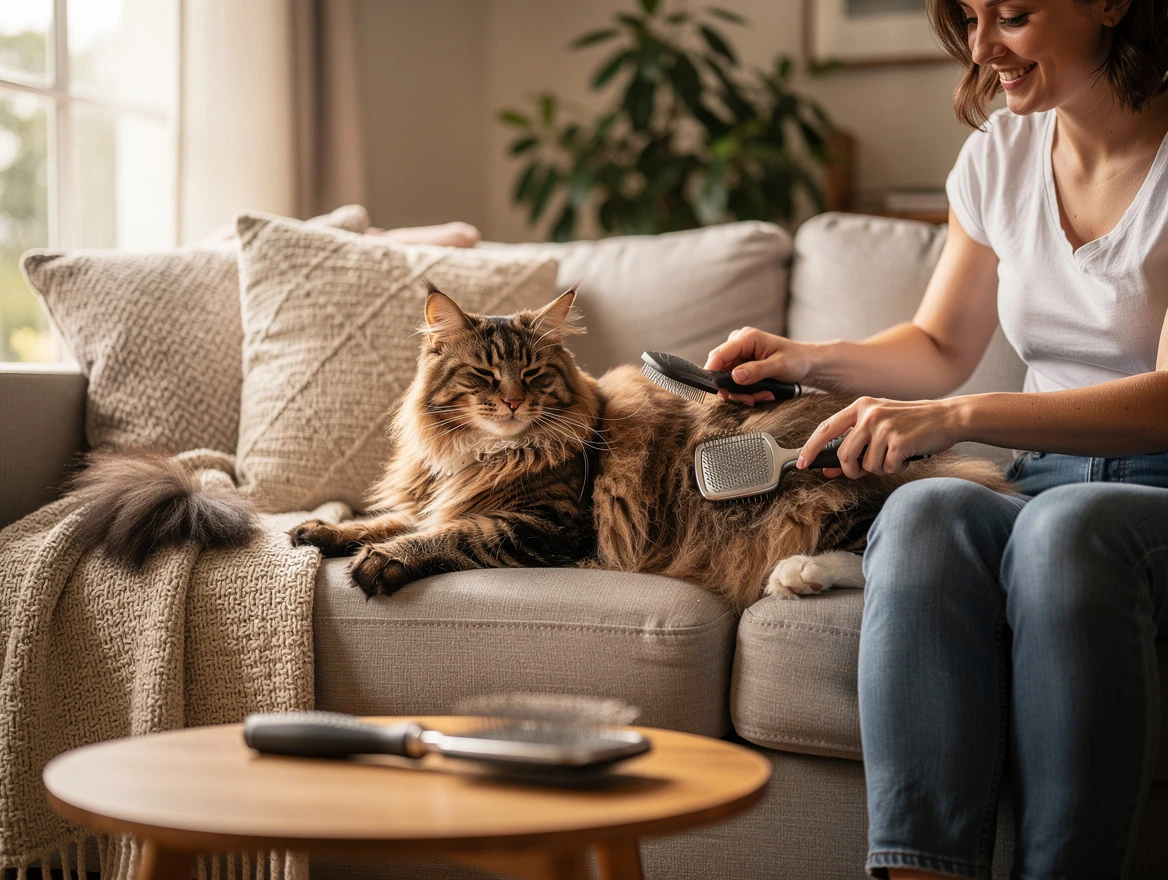
- Brush your cat regularly — every hair captured in a brush is one that does not end up on your couch. Cats need brushing 2–3 times per week minimum. If your cat resists brushing, see: Why Does My Cat Bite Me When I Pet Him
- Vacuum every 2–3 days in areas where your cat spends the most time
- Use washable covers on cat-favorite furniture spots, wash the cover instead of deep-cleaning the whole couch
- Keep a pet blanket on your bed — wash just the blanket instead of stripping the whole bed. Related: Why Does My Cat Sleep on Me
- Feed quality food — omega-3 fatty acids improve coat health and reduce excessive shedding. Related: How Much Wet Food to Feed a Cat
- Run an air purifier — HEPA filters capture airborne dander and hair before it settles on surfaces. The American College of Allergy, Asthma & Immunology recommends a HEPA-filter vacuum for the same reason, to reduce dust and pet dander during regular cleaning.
Tool Comparison — Effectiveness and Cost
| Tool | Effectiveness | Cost | Best For |
|---|---|---|---|
| Rubber gloves (damp) | Very high | Free (you have them) | Furniture, car seats, cushions |
| Rubber pet hair remover brush | High | $8–15 | Furniture, car seats, bedding |
| Window squeegee | Very high | Free (you have one) | Carpet, rugs, floor mats |
| White vinegar | High | $2/bottle | Laundry, floors, furniture spray |
| Baking soda | Medium-high | $1/treatment | Carpet deep clean + odor |
| Packing tape | Medium | Free (you have it) | Emergency clothes fix |
| Used dryer sheets | Medium | Free (reuse from laundry) | Baseboards, electronics, blinds |
| Pet hair vacuum | Very high | $100–400 | All surfaces (investment) |
Common Mistakes to Avoid
- Using a regular broom on hard floors — it scatters hair everywhere. Use a damp microfiber mop instead.
- Washing hairy clothes before drying — water pushes hair deeper into fabric. Always tumble dry first.
- Only vacuuming carpet — vacuums miss embedded hair. Squeegee first, then vacuum.
- Skipping brushing — every hair captured in a brush is one that does not end up on your furniture
- Using rubber tools on leather — rubber scratches leather. Only use damp microfiber on leather surfaces.
FAQ
Damp rubber cleaning gloves are the single most effective household item to remove pet hair from furniture. For carpet, a rubber window squeegee pulls up more hair than vacuuming alone. For laundry, tumble dry before washing, the lint trap catches most hair before water pushes it deeper into fabric.
Yes, adding 1/2 cup of white vinegar to your washing machine rinse cycle softens fabric fibers and loosens the grip pet hair has on clothes and bedding. You can also spray diluted vinegar on furniture before wiping with a damp cloth to loosen surface hair.
Use a three-step process: first drag damp rubber gloves or a dry pumice stone across the surface to pull hair up, then vacuum with the upholstery attachment, then wipe down with a used dryer sheet. This removes even deeply embedded hair that has been building up for weeks.
Yes, tumbling clothes in the dryer for 10 minutes BEFORE washing is one of the most effective methods. The lint trap catches the majority of loose hair while it is still sitting on the surface of the fabric. Washing first actually pushes hair deeper into the weave. Always clean the lint trap between loads.
Nothing truly dissolves pet hair, but white vinegar (1/2 cup in the rinse cycle) softens fabric fibers enough that hair releases and washes away with the water instead of staying embedded. Fabric softener works similarly but costs more. The dryer-first method before washing removes the most hair overall.
Pet hair sticks to surfaces through static electricity and physical embedding into fabric weave. The barbed, microscopic texture of cat hair acts like tiny hooks that grip fabric fibers. This is why friction-based methods (rubber gloves, squeegee, baking soda’s loosening action) and static-reduction methods (vinegar, dryer sheets) are the most effective removal strategies.
Professional cleaners typically use a combination of high-powered vacuums with HEPA filters, rubber squeegee tools for carpet, and anti-static sprays on furniture. The methods in this guide, rubber gloves, squeegee, and vinegar, replicate the same principles at zero cost.
The Bottom Line
You do not need to buy a single product to remove pet hair from your home. Rubber gloves for furniture, a squeegee for carpet, the dryer-first method for laundry, and white vinegar for everything else, these four free tools handle 90% of all pet hair problems.