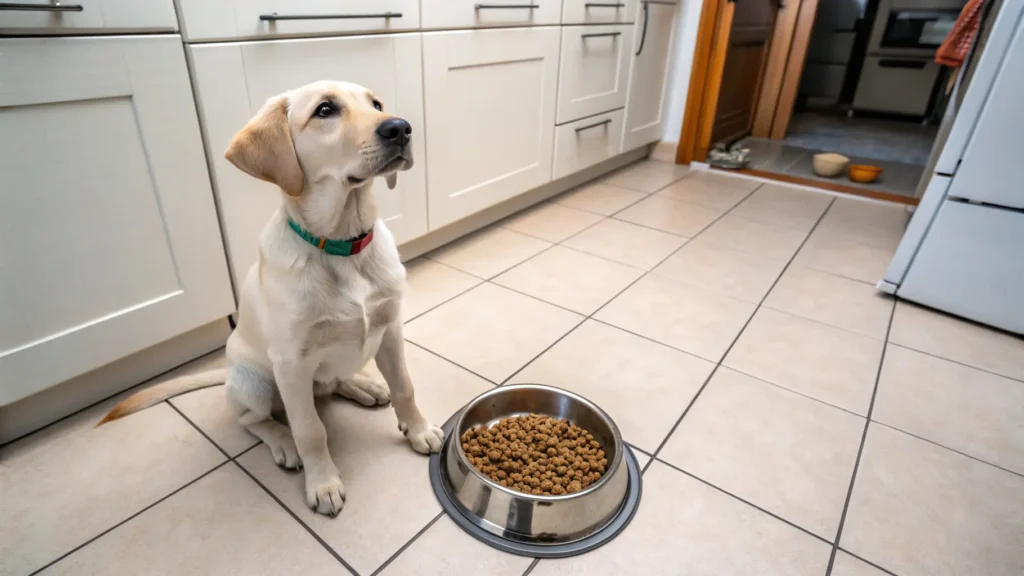
It started on a Tuesday morning. A client of mine — let’s call her Sarah — rushed into my clinic with her 4-year-old Labrador, Duke. She was practically in tears. Duke had skipped breakfast twice in a row, which for a Lab — a breed that will famously eat anything that doesn’t eat them first — was genuinely alarming.
If you’re reading this because my dog won’t eat and you’re not sure what to do next, I want you to feel what I told Sarah that morning: you’re doing the right thing by paying attention. A dog that stops eating is always worth investigating.
I’ve been a practicing vet for years, and loss of appetite is one of the top reasons dog owners walk through my door. In this guide, I’m going to walk you through every reason why my dog won’t eat, what the warning signs actually mean, what to do at home, and — most importantly — when it’s time to pick up the phone and call your vet.
Let’s talk about your pup. 🐾
How Worried Should I Be When My Dog Won’t Eat?
Here’s the honest answer: it depends on how long it’s been and what else is going on.
A single skipped meal in an otherwise healthy, energetic dog? Usually not cause for alarm. Dogs, unlike cats, can safely go 24 hours without food without serious medical consequences in most cases. But ‘usually fine’ is not the same as ‘always fine,’ and context matters enormously here.
The moment my dog won’t eat starts combining with other symptoms — vomiting, lethargy, drinking more water than usual, or hiding — the situation becomes more urgent. The American Veterinary Medical Association recommends contacting your vet if appetite loss persists beyond 24 hours, especially in puppies, senior dogs, or dogs with pre-existing conditions.
Keep that 24-hour benchmark in mind as we go through this guide. It’ll help you decide when to try home remedies and when to make that call.
Why My Dog Won’t Eat: The Most Common Reasons
Loss of appetite in dogs is a symptom, not a diagnosis. That might sound like vet-speak, but what it really means is: the ‘why’ behind my dog won’t eat can range from ‘he’s being dramatic about a new kibble’ to ‘we need bloodwork today.’ Let’s go through the main causes.
1. Picky Eating and Food-Related Issues
Let’s start with the most common — and most manageable — reason. Your dog may simply have decided that today, this food is not good enough for them. Welcome to the world of canine food opinions.
If my dog won’t eat his food but will eat treats, that’s actually a big clue. It tells you the appetite is there — the motivation just isn’t. This is often the result of owners unintentionally training their dogs to hold out for something better. Every time you swapped out the food because he refused, your dog learned that refusing works.
Other food-related causes: the kibble has gone stale, the formula changed, the bowl smells like cleaning product, or the food is simply too cold straight from the fridge. These sound minor, but to a dog’s sensitive nose, they’re dealbreakers.
2. Stress, Anxiety and Environmental Changes
Dogs are deeply routine-oriented animals. A new home, a new baby, a new pet, a house guest who smells unfamiliar, a change in your work schedule — any of these can trigger enough anxiety to suppress appetite completely.
I once had a patient — a sweet Beagle named Olive — who stopped eating for three days after her owner rearranged the living room furniture. Not a medical problem in sight. Just a deeply unsettled dog who needed her world to make sense again.
Travel and boarding are also major appetite suppressors. If my dog won’t eat or drink and just lays there after a kennel stay or a long car trip, stress is almost certainly the first thing to rule out.
3. Dental Pain and Mouth Problems
This one gets missed more than almost anything else. Dental disease affects the majority of dogs over age three, and it’s almost always silently painful long before owners notice it. A dog with a cracked tooth, infected gum, or oral mass may approach their bowl looking interested — and then walk away because every bite hurts.
Check for bad breath, excessive drooling, pawing at the mouth, or chewing only on one side. If my dog won’t eat dry food specifically but seems fine with soft food, dental pain is near the top of my list.
4. Nausea and Digestive Upset
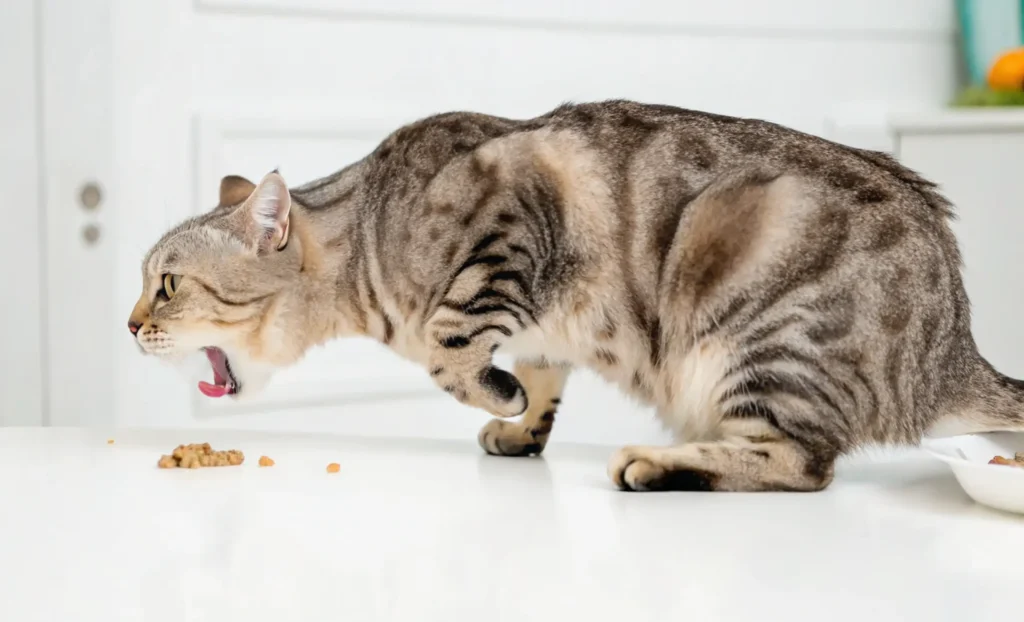
Nausea is one of the most universal appetite killers — in dogs just as in humans. If my dog won’t eat and is throwing up, or if you’re noticing your dog eating grass obsessively, those are signs of an unsettled stomach. Causes range from mild (ate something weird in the yard) to serious (pancreatitis, intestinal obstruction, parvovirus). We dive deep into this in our guide on Why Is My Cat Throwing Up — and the same causes apply to dogs, so it’s worth a read if vomiting is part of the picture for your pup too.
One important distinction: a dog vomiting once and then resuming normal eating is very different from a dog that won’t eat and keeps vomiting. The second scenario needs veterinary attention the same day.
5. Illness and Underlying Medical Conditions
This is the big one. Almost every significant illness a dog can develop will cause some degree of appetite loss. Kidney disease, liver issues, Addison’s disease, cancer, infections, hormonal imbalances — they all show up first as ‘my dog just isn’t eating like he used to.’
My senior dog won’t eat is a phrase I hear regularly in my exam room, and while it’s sometimes just age-related changes in metabolism, it can also be an early sign of organ disease that’s very treatable when caught early. Senior dogs — generally defined as age 7 and up for larger breeds, 9-10 for smaller ones — deserve a vet check any time appetite changes noticeably.
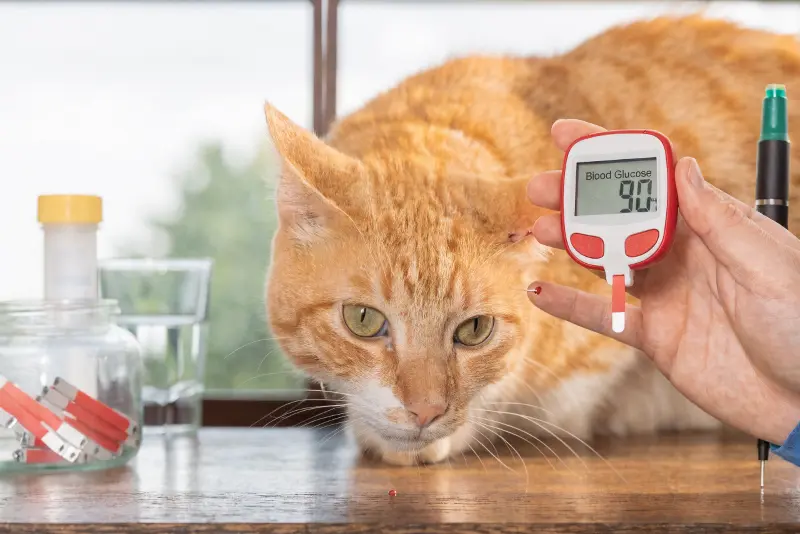
And if your dog has been diagnosed with diabetes, appetite changes are especially important to monitor. Diabetic dogs that skip meals and still receive their insulin injection can develop dangerously low blood sugar. My diabetic dog won’t eat is a same-day emergency situation — please don’t wait on that one.
My Dog Won’t Eat or Drink and Just Lays There — Is This an Emergency?
Short answer: yes, treat it as urgent.
The combination of refusing food, refusing water, and extreme lethargy is your dog’s body waving a red flag. When my dog won’t eat or drink and just lays there, we’re looking at possible dehydration on top of whatever underlying issue is causing the appetite loss — and dehydration escalates fast in dogs.
A simple home test: gently pinch the skin at the back of your dog’s neck and release. In a well-hydrated dog, the skin snaps back immediately. If it stays ‘tented’ for even a second or two, dehydration has already set in.
Other urgent warning signs to watch alongside not eating: pale or white gums, sunken eyes, a distended belly, weakness in the hind legs, or collapse. Any one of these alongside appetite loss = emergency vet visit, not a wait-and-see situation.
My Dog Won’t Eat His Food But Will Eat Treats — What Does That Mean?
Ah, the classic selective hunger move. This one is almost always behavioral rather than medical — but ‘almost always’ still leaves room for exceptions, so it’s worth thinking through.
If your dog is bright-eyed, energetic, drinking water normally, and has no other symptoms — just turning his nose up at the bowl while happily accepting anything from your hand — you’re probably dealing with a picky eater who has learned that holding out pays off.
The fix here isn’t to keep escalating the treats. It’s to go back to basics: offer the food for 15-20 minutes, then remove it. No treats, no table scraps, no substitutions. Most dogs will come around within a day or two once they realize the deal has changed.
However — and this is important — if the selective eating is new behavior in a dog who used to eat everything happily, that’s different. New picky eating in a previously enthusiastic eater can be an early sign of nausea, pain, or metabolic changes that deserve a closer look.
My Senior Dog Won’t Eat — Special Considerations for Older Dogs
Older dogs are a whole different conversation, and they deserve one.
As dogs age, their sense of smell and taste naturally diminish. The food that used to make them dance at the bowl might genuinely smell like nothing to them now. This is one reason warming up food works so well for senior dogs — heat releases aroma, and aroma is what drives appetite in dogs even more than taste.
My old dog won’t eat is also frequently connected to arthritis pain. If bending down to the bowl hurts, dogs will simply avoid it. An elevated food bowl can make a dramatic difference for dogs with joint issues.
Beyond these comfort-related issues, senior dogs are at higher risk for the serious stuff: kidney disease, Cushing’s disease, hypothyroidism, cancer. A senior dog that won’t eat for more than 24 hours, or that’s lost weight noticeably over recent weeks, needs blood work. Catching these conditions early genuinely changes outcomes.
What To Do When My Dog Won’t Eat: Home Strategies That Actually Work
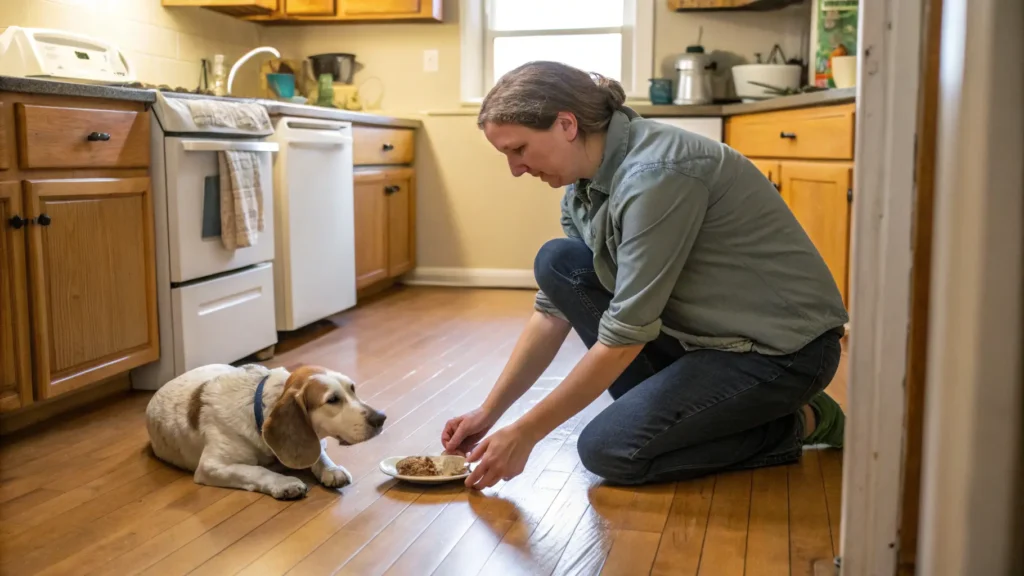
If your vet has ruled out serious illness and you’re working on getting your dog eating again, here are the approaches I actually recommend to my clients:
- Warm the food up. A few seconds in the microwave — followed by a good stir and a temperature check — can transform a bowl a dog ignores into one they can’t resist. Heat releases scent compounds, and scent is everything to a dog.
- Add a topper. A spoonful of plain low-sodium chicken broth, a little cooked chicken or plain white rice, or a small amount of wet food mixed into dry kibble can reinvigorate interest without creating a long-term picky eater situation.
- Try a different bowl. Stainless steel bowls can carry metallic odors some dogs hate. Plastic bowls develop micro-scratches that harbor bacteria and old food smells. A clean ceramic bowl sometimes makes all the difference.
- Change the feeding location. If something spooked your dog near their usual bowl — another pet, a loud noise — they may be associating that spot with stress. Move the bowl to a quieter area and see if it helps.
- Stick to scheduled meals. Free feeding (leaving food out all day) makes it nearly impossible to notice changes in appetite. Two scheduled meals per day means you’ll know immediately when something’s off — and your dog is more motivated to eat when food isn’t available 24/7.
- Rule out the bowl itself. Some dogs develop a condition called ‘bowl aversion’ — they simply don’t like eating from a container. Try offering food from a flat plate or even from your hand to see if that changes things.
If your dog hasn’t eaten in more than 24 hours despite trying these strategies, it’s time to call your vet. They may recommend a short course of appetite stimulants or anti-nausea medication to get things moving again. VCA Animal Hospitals has a helpful overview of appetite stimulants used in dogs if you want to read ahead before your appointment.
Red Flags: When My Dog Won’t Eat Needs Immediate Vet Attention
I want every dog owner reading this to feel confident knowing when to act fast. Here’s your clear, no-guessing-needed list:
- No food or water for more than 24 hours in an adult dog
- Puppy or senior dog refusing even one full meal
- Vomiting more than once, or vomiting that includes blood
- Distended or bloated-looking abdomen — this can indicate GDV (bloat), which is a life-threatening emergency
- Pale, white, or blue-tinged gums
- Extreme lethargy — can’t stand, won’t lift head, unresponsive to you
- Known or suspected ingestion of a toxic substance
- Diabetic dog skipping a meal before an insulin dose
- Any dog that has had recent surgery refusing food past 24 hours
Your instincts matter too. If something feels wrong beyond just the food bowl — trust that feeling. You know your dog. I’ve never once had an owner apologize for bringing their dog in ‘too soon.’
Can My Cat’s Appetite Loss Give Me Clues About My Dog?
Funny enough — yes! Many of the causes behind appetite loss in cats and dogs are remarkably similar: dental disease, stress, nausea, and underlying illness top both lists. If you have a multi-pet household or you’re researching both, our post My Cat Won’t Eat — A Vet-Approved Guide covers the feline side of this in detail, and reading both gives you a much more complete picture of how appetite works in companion animals.
Preventing Appetite Problems: Building Healthy Eating Habits
Once your dog is back to eating happily, these habits will help you stay ahead of future problems:
- Stick to consistent meal times. Routine is your best friend when it comes to monitoring appetite changes early.
- Measure portions. Eyeballing food makes weight changes harder to notice. A kitchen scale keeps you accurate.
- Annual dental cleanings. The single most underused preventative tool in dog care — and one of the most impactful for long-term health and appetite.
- Transition foods slowly. Any new food should be introduced over 7-10 days, mixing gradually with the old food. Abrupt switches cause digestive upset and appetite refusal.
- Monitor weight monthly. A 5-10% weight loss in a dog that’s ‘not eating as well lately’ can be easy to miss without regular weigh-ins. Most vet clinics will let you pop in just for a weigh-in between appointments.
Frequently Asked Questions
How long can a dog go without eating?
A healthy adult dog can technically survive several days without food, but that doesn’t mean it’s safe to wait that long. If my dog won’t eat for more than 24 hours, it’s time to contact your vet. For puppies, it’s 12 hours maximum — they have very little metabolic reserve. Senior dogs and dogs with health conditions should be seen even sooner.
Why won’t my dog eat his food but will eat treats?
This is almost always a behavioral issue rooted in learned picky eating — your dog has figured out that refusing meals leads to better options. As long as your dog is otherwise healthy, energetic, and showing no other symptoms, try the 15-minute meal rule: offer food, wait, remove it. No treats between meals. Most dogs recalibrate within 48 hours. If the selective eating is new in a previously enthusiastic eater, a vet check is worthwhile.
My dog won’t eat or drink and just lays there — what should I do?
Contact your vet immediately. That combination — no food, no water, and lethargy — points to something systemic going on that needs professional evaluation. While you’re arranging the visit, check your dog’s gums (should be pink and moist) and do the skin tent test for dehydration. Share your findings with your vet when you call.
Why won’t my dog eat dry food but will eat wet food?
The most likely culprit is dental pain — kibble is harder to chew and puts more pressure on sore teeth and gums. It could also be that the dry food has gone stale or developed an off smell. If switching to wet food resolves the issue short-term, schedule a dental exam to address the root cause.
My senior dog won’t eat — should I be worried?
Yes, take it seriously. While some appetite decrease is normal with aging, my old dog won’t eat is one of the most common early signs of age-related conditions like kidney disease, hypothyroidism, or cancer — all of which are much more manageable when caught early. A vet visit with blood work is the right move if your senior dog skips more than one meal.
My diabetic dog won’t eat — what do I do?
This is an urgent situation. A diabetic dog that skips a meal and still receives their normal insulin dose risks a dangerous drop in blood sugar (hypoglycemia). Call your vet before administering any insulin. Do not give the shot if your dog hasn’t eaten — your vet will guide you on dosage adjustments for missed meals.
Can stress really make my dog stop eating?
Absolutely — and it’s one of the most common causes I see in practice. Boarding, moving, schedule changes, new pets, thunderstorms, fireworks — all of these can suppress a dog’s appetite significantly. The key is that stress-related appetite loss usually resolves once the stressor is removed or the dog adjusts. If it persists beyond 48-72 hours after the stressor is gone, a vet visit makes sense.
A Final Word From Your Vet
Here’s what I want you to walk away with: when my dog won’t eat, it’s your dog’s way of telling you something has changed in their world — physically, emotionally, or both. Sometimes that message is small. Sometimes it’s urgent. The skill is learning to tell the difference, and you’re already doing that by being here and reading this.
Check the basics first. Has anything changed at home? How long has it been? Are there any other symptoms alongside the appetite loss? Walk through those questions before you spiral — and if the answers point toward anything on the red flag list, don’t hesitate to call your vet.
Duke, by the way? The Lab from the beginning of this story? Turned out he’d gotten into a patch of strange plants in the backyard. A little supportive care, a bland diet for two days, and he was back to his food-obsessed self by the weekend.
Your dog is lucky to have someone paying this much attention. Now go give them a little extra love — and maybe check on that food bowl. 🐾
⚠️ Disclaimer: This blog post is for informational purposes only and does not replace professional veterinary advice. Always consult your veterinarian for diagnosis and treatment of your pet’s health concerns.