My Dog Won’t Eat — 7 Vet Tips to Get Your Pup Eating Again
A dog that stops eating is one of the most alarming things a dog owner can experience — especially when you have a breed like a Labrador that would normally eat anything that holds still long enough. Even a single skipped meal it is your dog’s way of telling you something has changed. This guide covers every reason why it happens, what to do at home, and exactly when it is time to call your vet.
This can be caused by minor issues like a stale kibble, stress, or dental pain — or something more serious like illness. If your dog skips one meal but is otherwise alert and drinking water, monitor for 24 hours. If refusal lasts more than 24 hours, or if any other symptoms appear, contact your vet the same day.
⚠️ Emergency Warning Signs — Go to the Vet Now
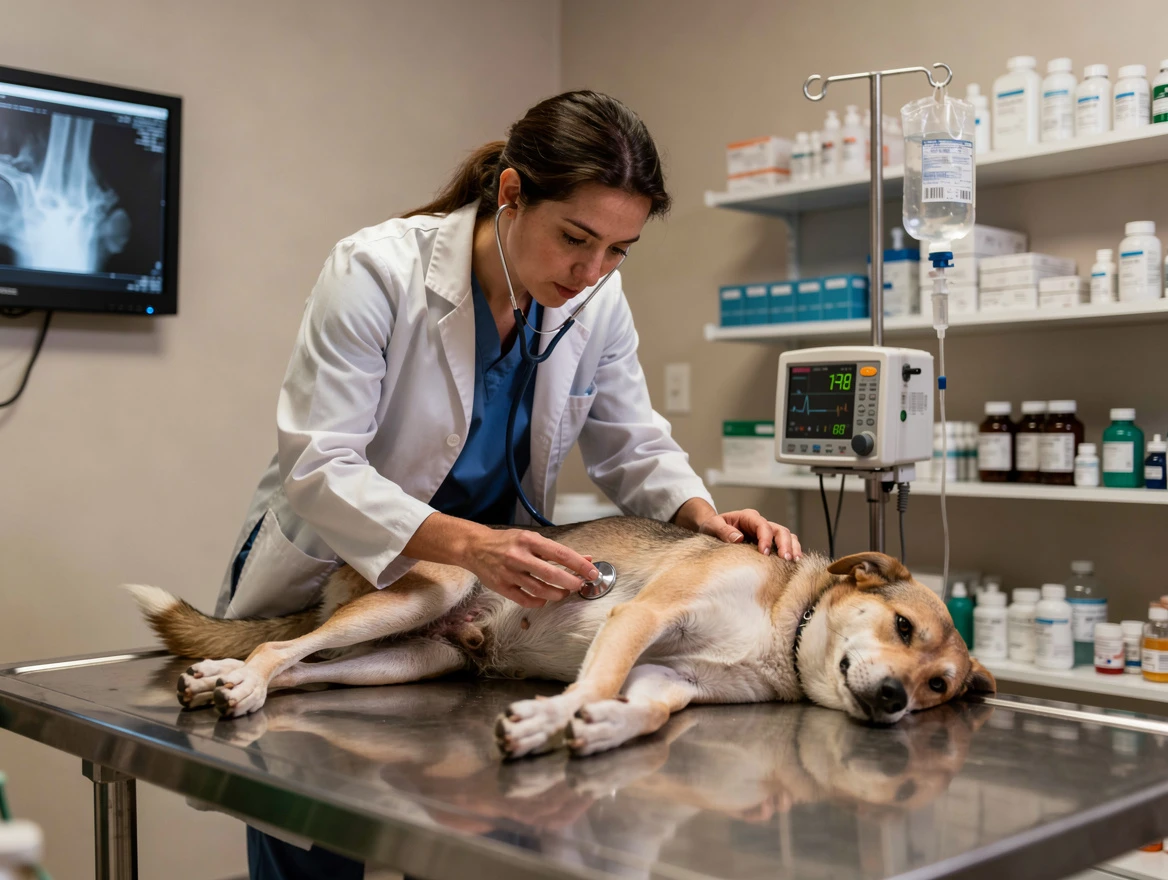
This becomes an emergency situation the moment other symptoms appear alongside the appetite loss. Do not wait 24 hours if your dog shows any of the following:
- No food AND no water for more than 24 hours
- Vomiting more than twice or blood in the vomit
- Distended or bloated abdomen — this can indicate GDV (bloat), which is life-threatening
- Pale, white, or blue-tinged gums
- Extreme lethargy — cannot stand, won’t lift head, unresponsive
- Diabetic dog skipping a meal before an insulin dose — this is a same-day emergency
- Suspected ingestion of a toxic substance such as grapes — see our guide on my dog ate one grape
- Puppy or senior dog refusing even one full meal
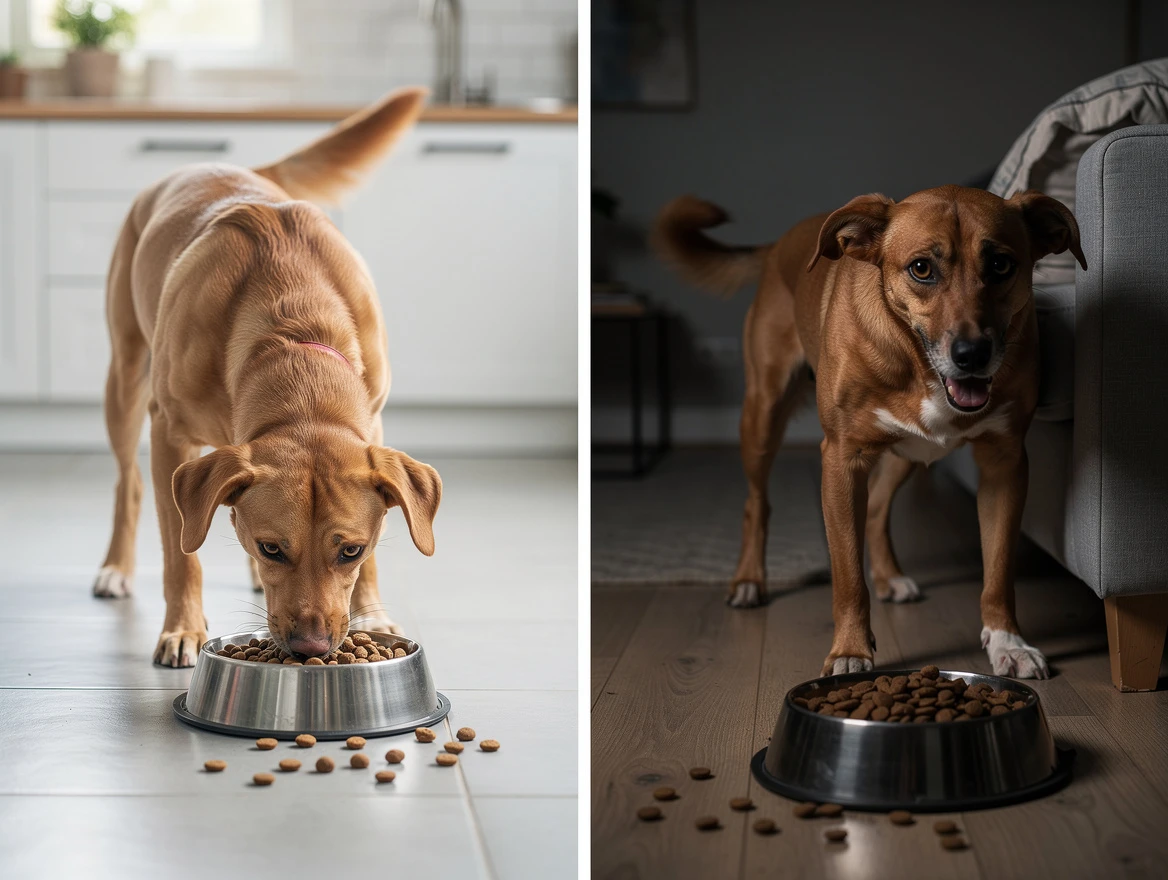
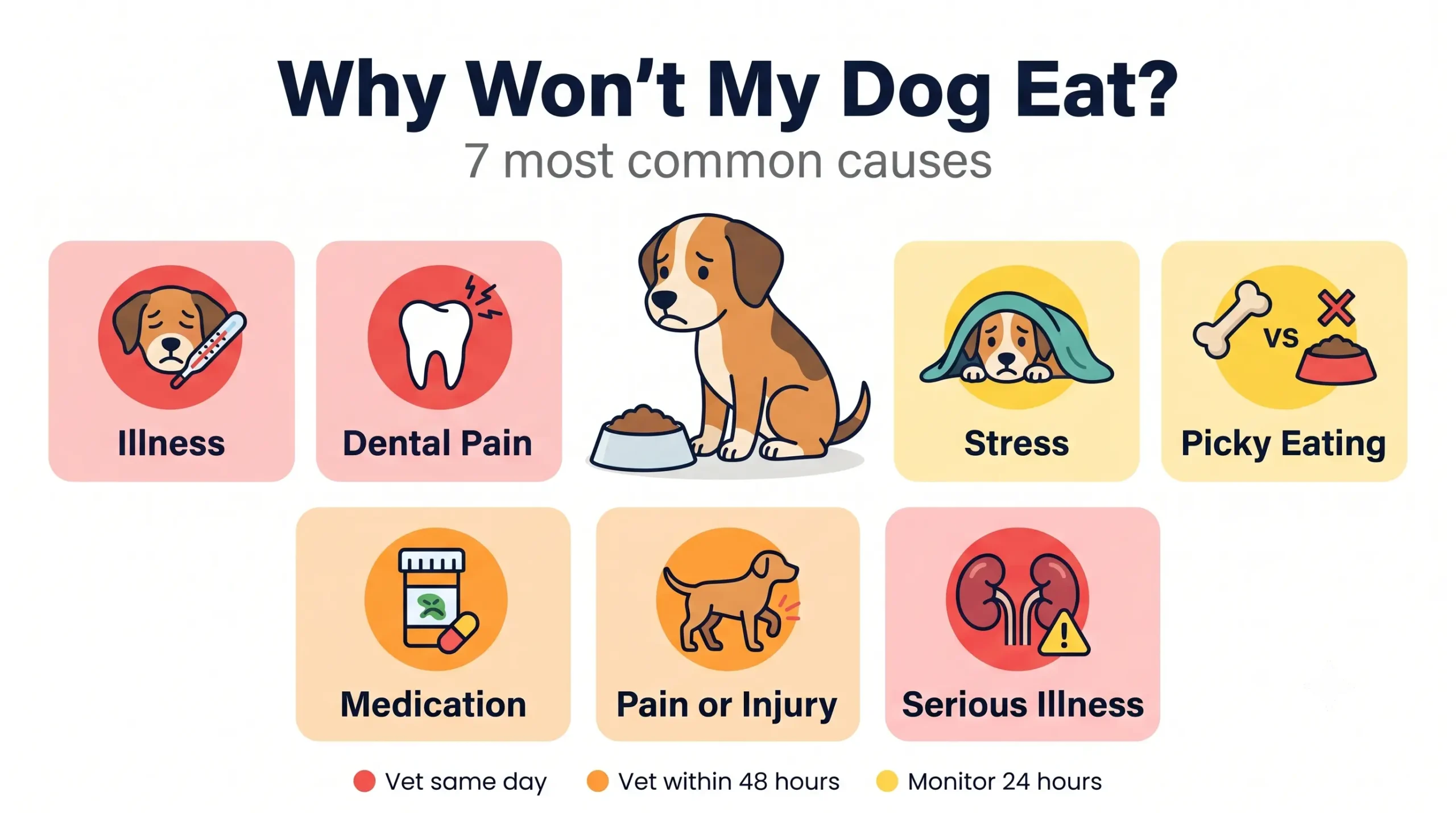
At a Glance: Why My Dog Won’t Eat
| Cause | Signs to Watch For | Urgency | What to Do |
|---|---|---|---|
| Illness or infection | Lethargy, vomiting, diarrhea | High | Vet exam same day |
| Dental pain | Drooling, pawing at mouth, bad breath | Medium | Vet dental check |
| Stress or anxiety | Hiding, pacing, whining | Low–Medium | Calm environment, routine |
| Picky eating / food issue | Eats treats but not meals | Low | 15-minute meal rule |
| Medication side effects | Nausea, lethargy after new meds | Medium | Call vet for dosage review |
| Pain (arthritis, injury) | Limping, reluctance to move | Medium | Vet assessment |
| Serious illness (kidney, cancer) | Weight loss, increased thirst | High | Bloodwork urgently |
Main Causes — Why My Dog Won’t Eat
Loss of appetite is a symptom, not a diagnosis. The same behavior can mean “I don’t like this new kibble” or “I have kidney disease developing silently.” Here are the most common causes, from least to most serious:
1. Picky Eating and Food Issues
Stale kibble, a changed formula, a bowl that smells like cleaning product, or food served too cold from the fridge are all genuine reasons my dog won’t eat dog food they normally accept. Dogs decide entirely through smell — and if something smells wrong, they won’t touch it regardless of how hungry they are.
2. Stress and Anxiety
A new home, a new baby, boarding, a change in your work schedule — dogs are routine-dependent animals and disruption suppresses appetite fast. Refusing food and water in the hours following a stressful event is almost always stress-related rather than medical. See our guide on why your dog is suddenly clingy — mood changes and appetite shifts often arrive together.
3. Dental Pain
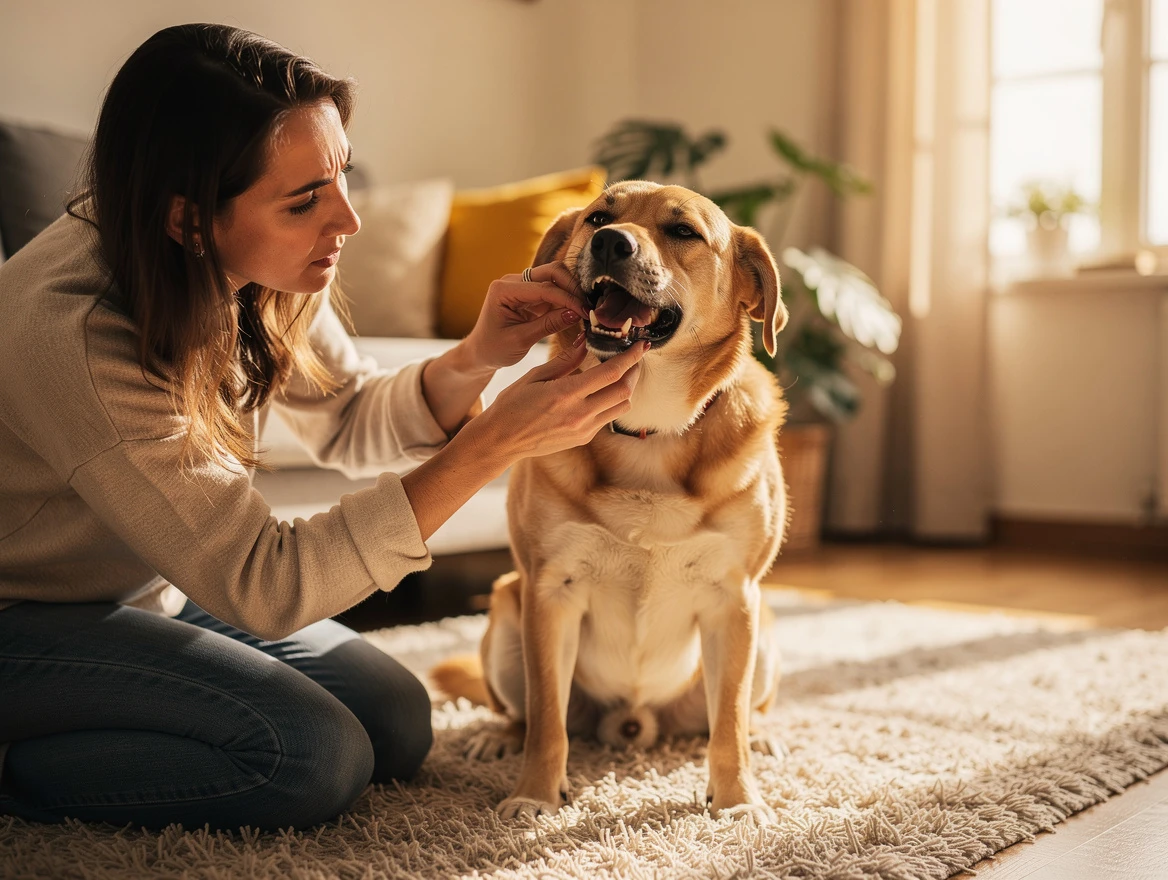
Dental disease affects the majority of dogs over age three — and it is almost always silently painful long before owners notice. If a dog refuses dry food specifically but seems interested in soft options, dental pain is near the top of the list. Check for bad breath, drooling, pawing at the mouth, or chewing only on one side. A vet dental exam is the only way to confirm this.
4. Medication Side Effects
New medications can suppress appetite as a direct side effect. If your dog started a new prescription and then this began, call your vet — the timing is almost certainly related and dosage adjustments are usually straightforward.
5. Underlying Illness
Almost every significant illness a dog can develop shows up first as appetite loss. Kidney disease, liver issues, Addison’s disease, infections, cancer — they all present as my dog won’t eat before any other symptoms are visible. This is why persistent appetite loss always deserves veterinary investigation, not just home management.
My Dog Won’t Eat or Drink and Just Lays There
This combination is an urgent combination that needs same-day veterinary attention. When a dog refuses both food and water alongside extreme lethargy, the body is experiencing something systemic — and dehydration escalates very quickly on top of whatever underlying issue is causing the appetite loss.
Quick dehydration test: Gently pinch the skin at the back of your dog’s neck and release. In a well-hydrated dog, the skin snaps back immediately. If it stays tented for even a second or two, dehydration has already set in — contact your vet immediately.
Other urgent warning signs alongside not eating: pale or white gums, sunken eyes, a distended belly, weakness in the hind legs, or collapse. Any one of these alongside appetite loss = emergency visit, not a wait-and-see situation. This combination should always be treated as urgent — never as a passing phase to observe at home for multiple days.
My Dog Won’t Eat His Food But Will Eat Treats
This pattern is almost always behavioral rather than medical — but “almost always” still leaves room for exceptions. If your dog is bright-eyed, energetic, drinking water normally, and has no other symptoms, you are almost certainly dealing with a learned picky eater who has figured out that refusing meals leads to better options.
The fix is simple but requires consistency: offer the food for 15 to 20 minutes, then remove it. No treats, no table scraps, no substitutions between meals. Most dogs recalibrate within 24 to 48 hours once they realize the deal has changed.
My Senior Dog Won’t Eat — Special Considerations
Appetite loss in senior dogs always needs to be taken seriously. As dogs age, their senses of smell and taste naturally diminish — the food that used to make them dance at the bowl may genuinely smell like very little to them now. Warming food releases aroma compounds and works remarkably well for older dogs.
Senior dogs are also at higher risk for arthritis pain — and if bending down to the bowl hurts, they will simply avoid it. An elevated food bowl can make a dramatic difference for dogs with joint issues. If you notice your dog is also having trouble moving, our guide on my dog is limping but shows no sign of pain covers what to watch for.
Beyond comfort issues, my senior dog won’t eat is frequently connected to serious age-related conditions: kidney disease, Cushing’s disease, hypothyroidism, and cancer all present first as appetite loss. Any senior dog that skips more than one meal, or that has visibly lost weight over recent weeks, needs bloodwork. Catching these conditions early genuinely changes outcomes.
My Dog Won’t Eat and Is Throwing Up
This combination is a same-day vet situation — full stop. The combination points to active nausea or something more serious: pancreatitis, intestinal obstruction, parvovirus, or poisoning. A dog that vomits once and then resumes normal eating is very different from one where this keeps happening alongside vomiting.
If your dog has diarrhea alongside refusing food, our guide on home remedies for dog diarrhea covers what is safe to try at home — but if vomiting is also present, professional evaluation comes first. Do not attempt home management when both symptoms are occurring together.
My Dog Won’t Eat Anything — Complete Appetite Refusal
Complete refusal — not the regular food, not chicken, not treats, not anything — is the most urgent version of this situation. Complete appetite refusal points to significant nausea, pain, or systemic illness. A dog that genuinely won’t eat anything at all is not being picky. Something is wrong enough that eating feels impossible or too painful to attempt.
The 24-hour rule applies strictly here: if refusal continues for a full 24 hours, call your vet regardless of whether other symptoms are visible. For puppies the limit is 12 hours. For senior dogs or dogs with any pre-existing conditions, the limit is even shorter — one missed meal warrants a call.
7 Vet Tips to Help Your Dog Eat Again
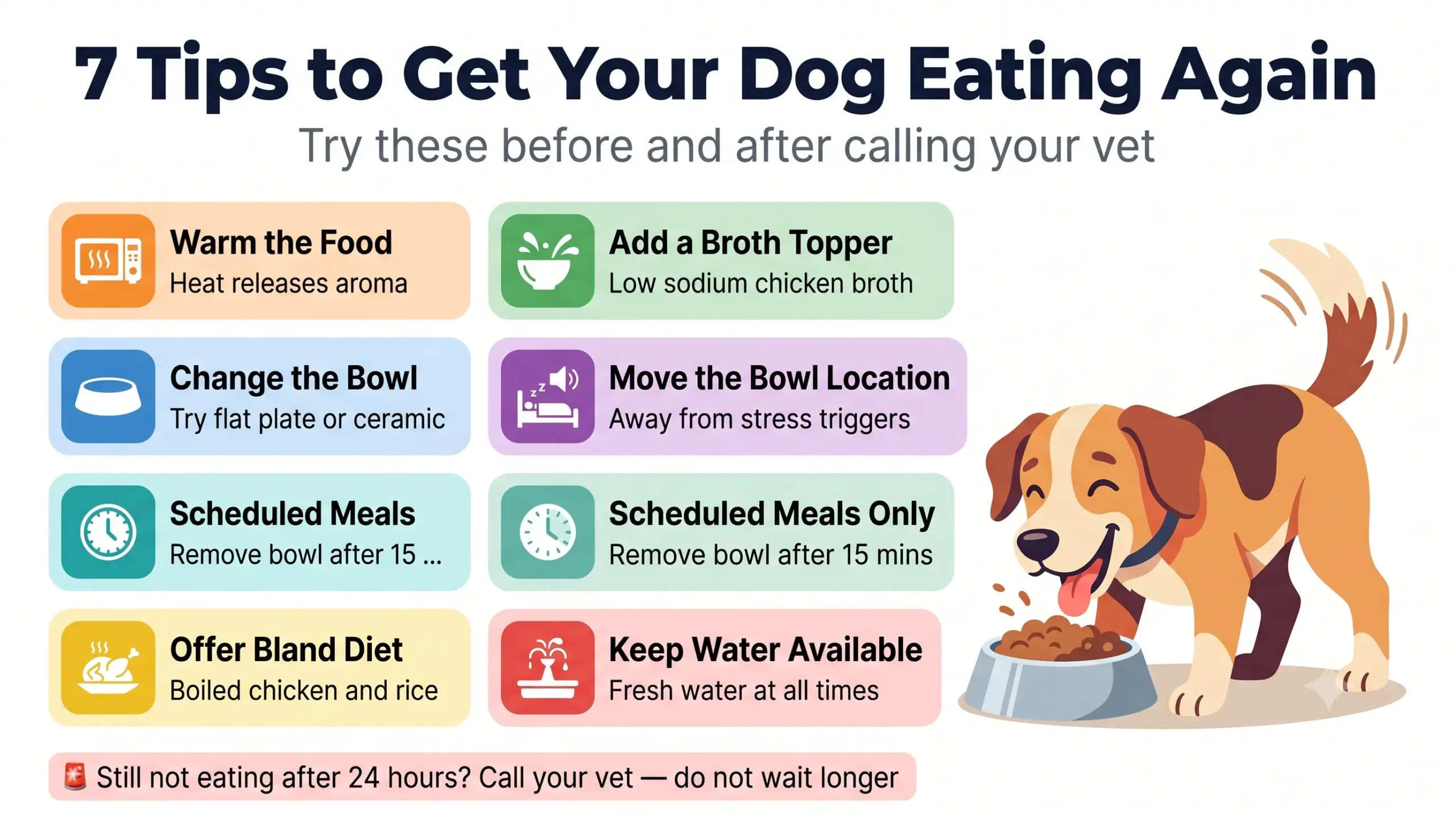
If your vet has ruled out serious illness, these are the approaches I recommend to get things moving again:
Tip 1 — Warm the Food
A few seconds in the microwave — followed by a good stir and a temperature check — transforms a bowl a dog ignores into one they cannot resist. Heat releases aroma compounds, and scent drives appetite in dogs far more than taste. This is especially effective when the food straight from the bag or cold from the fridge.
Tip 2 — Add a Topper
A spoonful of plain low-sodium chicken broth, a little boiled chicken, plain white rice, or a small amount of wet food mixed into dry kibble can reinvigorate interest without creating a long-term picky eater. This is the most reliable short-term fix when they refuse meals but eat anything with a stronger smell.
Tip 3 — Try a Different Bowl
Stainless steel bowls carry metallic odors. Plastic bowls develop micro-scratches that harbor old food smells. A clean ceramic bowl or a flat plate sometimes resolves the issue entirely — especially in dogs who have developed what vets call “bowl aversion.”
Tip 4 — Move the Feeding Location
If something spooked your dog near their usual bowl — another pet, a loud noise, a bad experience — they may have associated that spot with stress. Moving the bowl to a quieter area removes the negative association and often resolves the issue within a single meal.
Tip 5 — Switch to Scheduled Meals
Free feeding makes it nearly impossible to notice changes in appetite. Two scheduled meals per day means you notice immediately when missed meals are noticed — and your dog is more motivated to eat when food is not available 24 hours a day. Remove the bowl after 15 to 20 minutes regardless of whether it was finished.
Tip 6 — Offer a Bland Diet
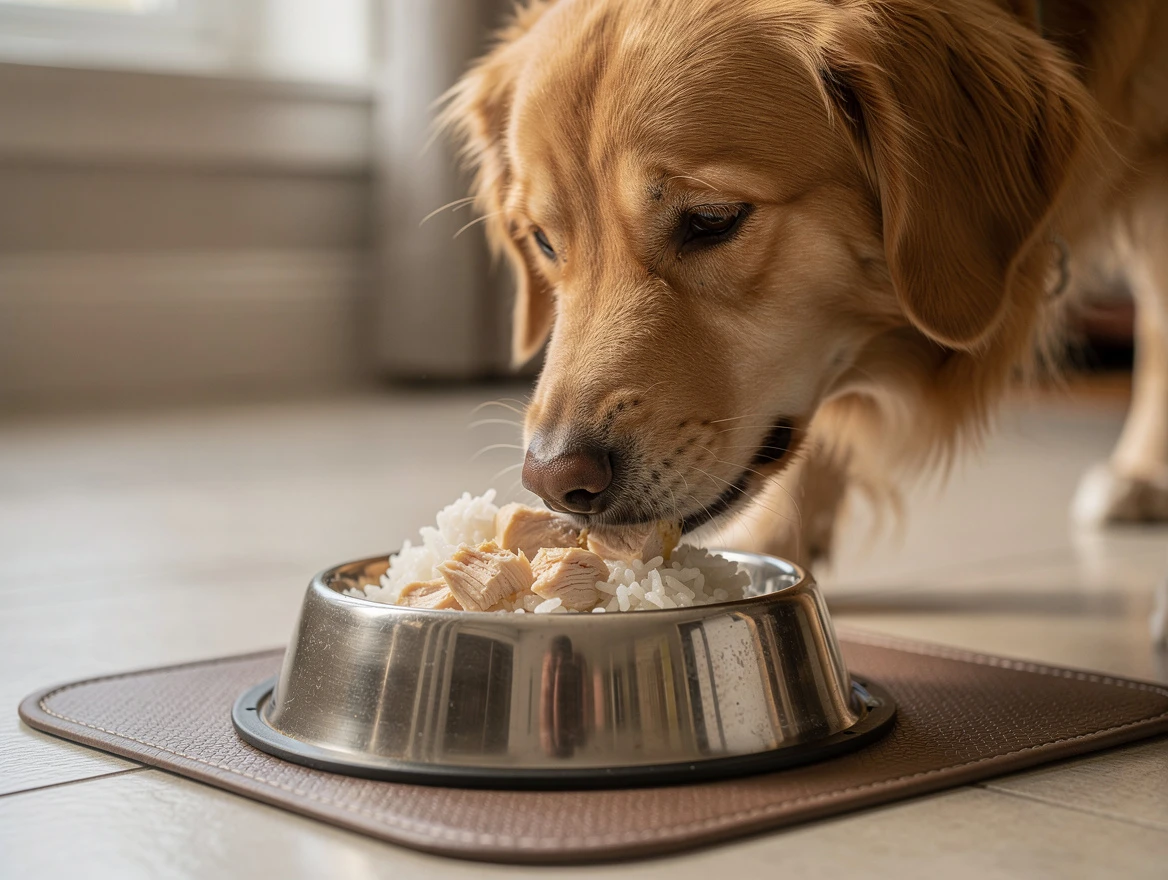
For a dog with an upset stomach, plain boiled chicken mixed with plain white rice is the vet-approved starting point. Offer small amounts every few hours rather than a full bowl at once. This is appropriate for mild digestive upset — but only after your vet confirms home management is appropriate.
Tip 7 — Keep Fresh Water Available
Dehydration makes everything worse and happens faster than most owners expect. Keep fresh water available at all times — try a fountain if your dog is reluctant to drink from a bowl. If my dog won’t eat or drink at all, offer small amounts of low-sodium chicken broth as a hydration bridge while you arrange the vet visit.
Common Mistakes When My Dog Won’t Eat
- ❌ Waiting too long to call the vet — 24 hours is the outer limit for adults. For puppies, seniors, and sick dogs, the limit is much shorter
- ❌ Escalating treats to get them eating — this teaches your dog that refusing meals leads to better food, making the underlying pattern significantly worse
- ❌ Switching food abruptly — any new food must be introduced over 7 to 10 days by gradually mixing with the old food. Sudden switches cause digestive upset and refusal
- ❌ Force-feeding — this creates negative associations with eating and mealtime that can persist for weeks
- ❌ Missing related symptoms — lethargy, increased thirst, weight loss, or changes in litter box habits alongside appetite loss change the urgency level entirely
- ❌ Not noticing the pattern — a dog refuses dry food but accepts wet food usually signals dental pain, not pickiness. The specific refusal pattern is diagnostic information
Frequently Asked Questions
Start by checking how long it has been and whether any other symptoms are present. If the dog skips a meal but is otherwise alert, drinking water, and showing no other symptoms, try warming the food and offering it in a quieter location. Remove it after 15 minutes. If refusal continues beyond 24 hours, or any other symptoms appear, contact your vet.
A healthy adult dog can survive several days without food but 24 hours is the point at which appetite loss requires a vet call — regardless of how healthy the dog appears otherwise. For puppies the limit is 12 hours. Senior dogs and dogs with any pre-existing condition should be seen after a single missed meal. Waiting longer risks dehydration and the progression of whatever underlying issue is causing the refusal.
The most effective appetite stimulants at home are: warming the food to release aroma, adding a low-sodium broth topper, switching to a flat plate from a deep bowl, and offering food in a calm distraction-free location. If these do not work within 24 hours, your vet may prescribe appetite stimulant medication (such as mirtazapine) or anti-nausea drugs to get things moving again.
The 7-7-7 rule is a dog adoption adjustment guideline: 7 days to decompress and feel safe, 7 weeks to learn household routines, 7 months to feel fully at home. During the first 7 days especially, a newly adopted dog not eating is normal — the combination of stress and unfamiliar environment suppresses appetite reliably. If my dog won’t eat in the first few days of a new home, patience and calm routine matter more than diet changes.
My dog won’t eat his food but is still drinking water usually means the dog feels off but is not in serious crisis yet. The most common causes are mild nausea, dental pain, or a food-related issue like staleness or a formula change. If this continues beyond 24 hours, see our detailed guide on dog not eating but drinking water for the specific causes and what to do next.
Absolutely — and it is one of the most common causes seen in practice. Boarding, moving, schedule changes, new pets, thunderstorms, and fireworks all suppress appetite significantly. Stress-related appetite loss usually resolves once the stressor is removed or the dog adjusts. If it persists beyond 48 to 72 hours after the stressor is gone, a vet visit makes sense to rule out other causes.
Yes. My dog won’t eat dog food specifically (but accepts human food or treats) usually points to either a food quality issue — stale kibble, changed formula, off smell — or a learned preference for something better. My dog won’t eat dog food but accepts wet food often signals dental pain since kibble requires more jaw pressure. The specific pattern of what they will and won’t accept is diagnostically useful — note it carefully when you contact your vet.
This is always worth taking seriously — even when the cause turns out to be minor. The skill is knowing when to observe for a day and when to act immediately. If anything on the emergency or red flag list applies to your situation, pick up the phone now. Your instincts about your dog are almost always right.
⚠️ This article is for informational purposes only and does not replace professional veterinary advice. Always consult your veterinarian for diagnosis and treatment of your pet’s health concerns.
Related Articles
Toxic foods that cause sudden appetite loss and illness.
Pain causes both limping and appetite loss in dogs.