My Dog Has Dry Skin and Dandruff: 7 Tips That Actually Worked for Us
My dog has dry skin and dandruff, and if you’re reading this, yours probably does too. I know exactly how stressful it feels — watching them scratch constantly, finding white flakes all over the furniture, wondering if something is seriously wrong. I went through this last winter while also managing four cats in a dry NYC apartment, and skin issues became my reluctant specialty.
This guide shares everything I tried, what our vet recommended, and the 7 steps that actually cleared things up. I also answer the question I kept Googling at midnight: why does my dog have dandruff in the first place?
My dog has dry skin and dandruff most commonly due to low indoor humidity, a diet lacking Omega fatty acids, seasonal allergies, or parasites. The fastest fixes are running a humidifier, adding an Omega supplement to their food, switching to a moisturizing shampoo, and increasing water intake. Dandruff that won’t clear after two weeks always needs a vet check.
⚠️ When to See a Vet Immediately
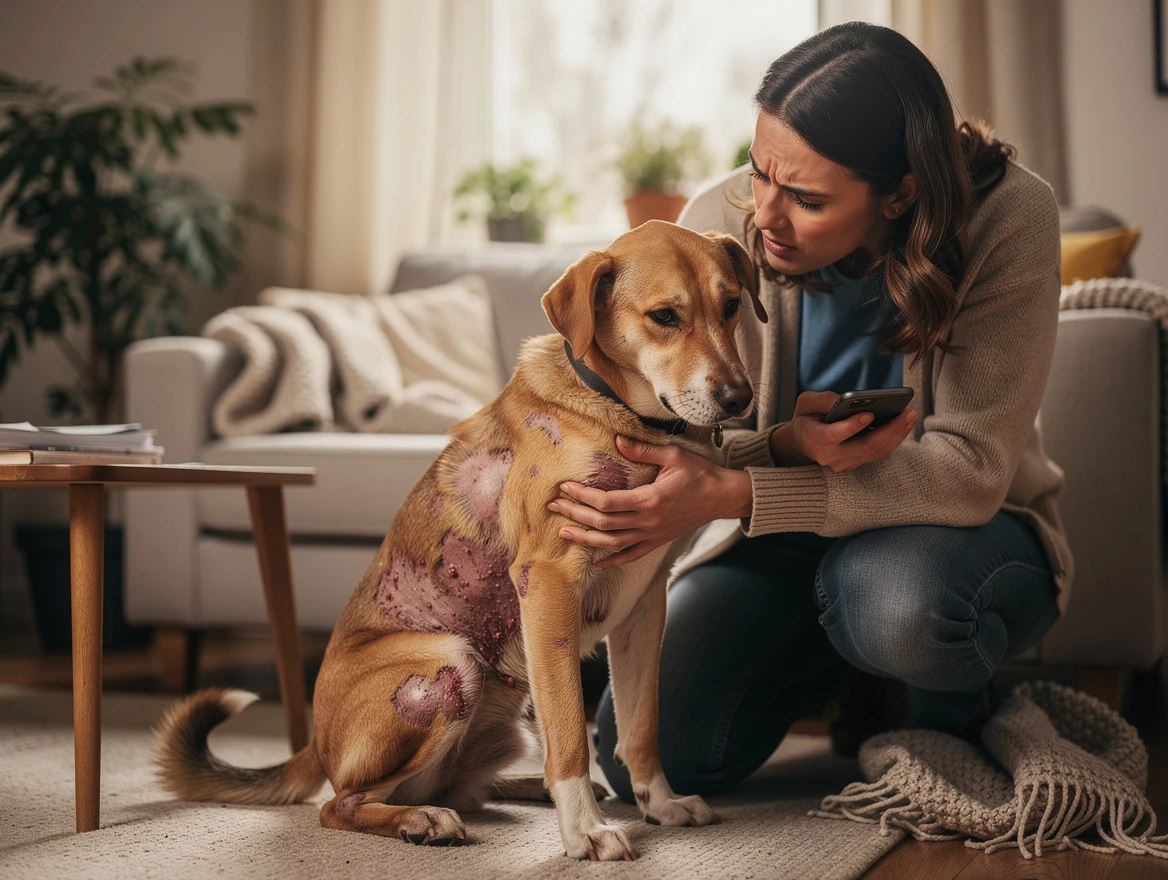
My dog has dry skin and dandruff that I manage at home most of the time, but there are situations where waiting is a mistake. See your vet right away if you notice any of the following:
- Hair loss in patches alongside the dandruff
- Skin that is red, swollen, or has a foul odor
- Bleeding caused by excessive scratching
- Dandruff getting worse despite 2 weeks of consistent home treatment
- Your dog stops eating or becomes lethargic alongside skin symptoms
At a Glance: Quick Overview
| Aspect | Details |
|---|---|
| Common Causes | Dry air, poor nutrition, allergies, parasites, skin infections |
| Signs to Look For | White or yellow flakes, itchiness, dull coat, red patches |
| Best Home Fixes | Humidifier, hydration, Omega supplements, moisturizing shampoo |
| Vet Treatments | Medicated shampoos, allergy medications, parasite control |
| When to See a Vet | Hair loss, infection signs, no improvement after 2 weeks |
| Time to See Results | 2 to 4 weeks with consistent home care |
Why Does My Dog Have Dandruff? The Real Causes
When I first noticed my dog has dry skin and dandruff, I assumed it was just winter weather. But understanding the actual cause is what makes treatment work long term instead of just masking the problem. Here is what I found after research and two vet visits:
Environmental Dryness
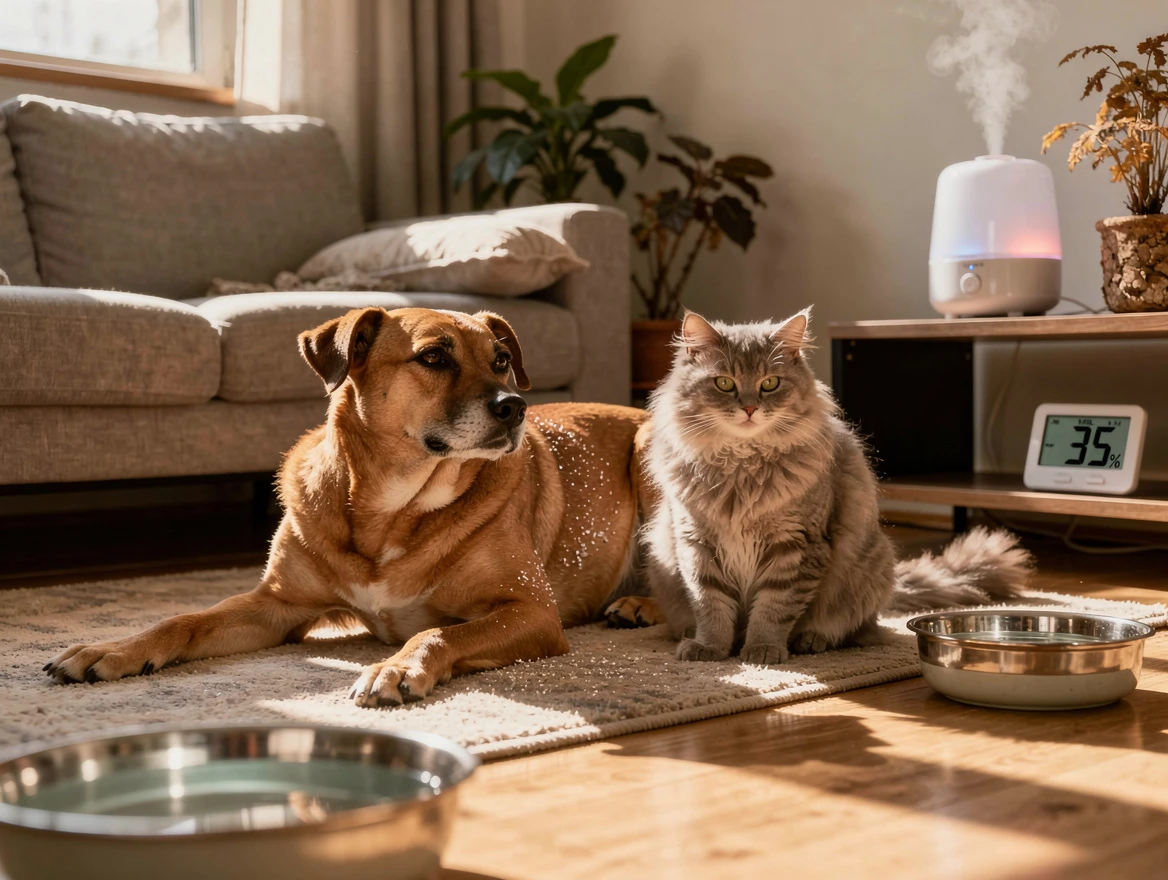
My apartment heater in winter turns the air into a desert. Low indoor humidity strips moisture from skin just as fast as it dries out your lips. Running a cheap hygrometer confirmed our humidity was sitting below 30% on most days — well below the 45% that skin needs to stay healthy. A humidifier was the fastest single fix once I understood this.
Nutritional Deficiencies
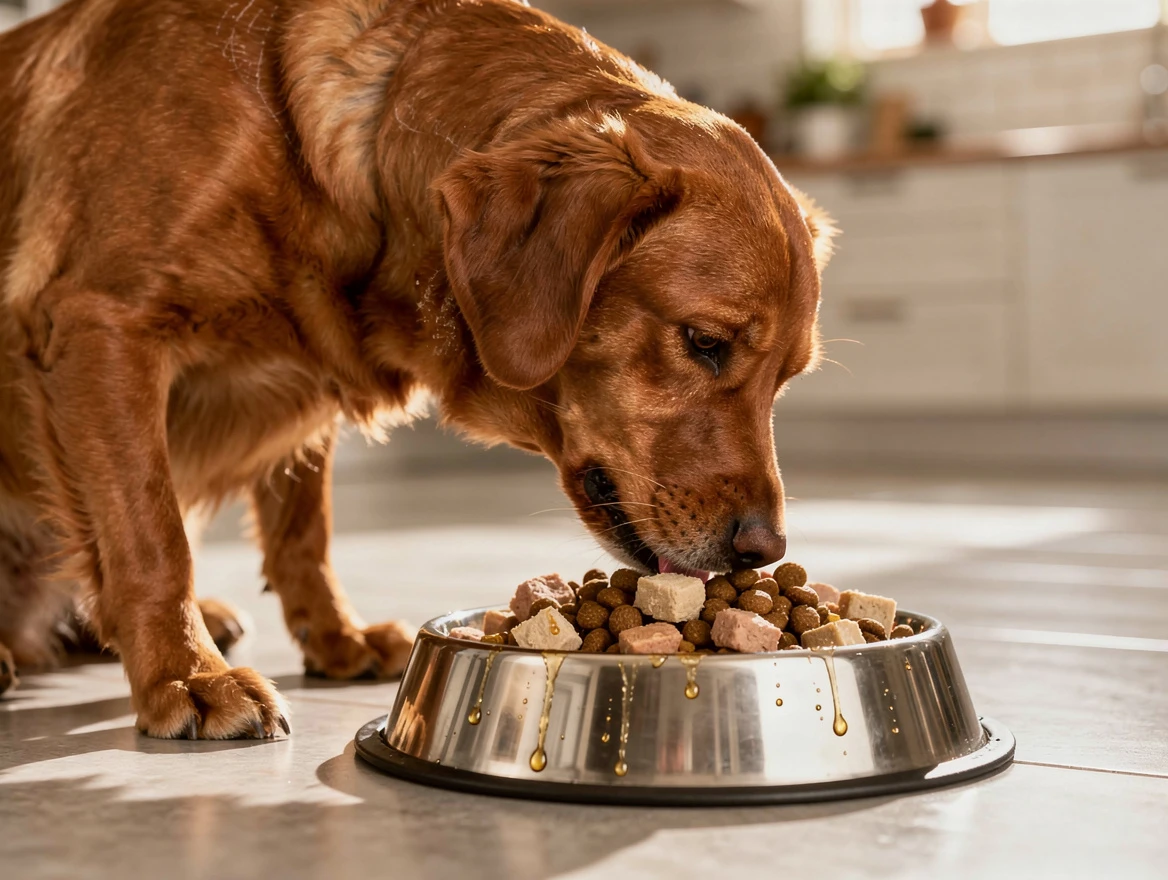
Dog food that lacks Omega-3 and Omega-6 fatty acids directly causes dry, flaky skin. These fats maintain the skin barrier from the inside. After switching to a higher-quality food and adding salmon oil daily, I started seeing fewer flakes within 3 weeks — noticeably less scratching and a shinier coat overall.
Allergies
Pollen, dust mites, and certain food ingredients can all trigger skin reactions. If my dog has dry skin and dandruff that spikes at the same time every year, seasonal allergies are almost certainly involved. All four of my cats also get worse in spring — the whole household has this problem. Antihistamines prescribed by a vet are often the only reliable fix here.
Parasites and Skin Infections
Mites, fleas, and fungal infections cause dandruff alongside redness and hair loss. There is even a mite called Cheyletiella that vets nickname walking dandruff because the flakes actually appear to move on their own. These need vet-prescribed treatment — no home remedy handles parasites reliably or safely.
Underlying Health Conditions
Hypothyroidism, Cushing’s disease, and autoimmune conditions can all present as persistent dandruff that doesn’t respond to normal treatment. If nothing else explains what’s happening, bloodwork is the next step your vet will recommend to rule these out.
Dry Skin vs. Dandruff: How to Tell the Difference
They almost always appear together, but understanding each one helps you treat more precisely. When my dog has dry skin and dandruff at the same time, here is what I watch for specifically:
- Dry skin only: Rough skin under the coat that feels tight, your dog flinches when you scratch certain areas, no visible flakes yet
- Dandruff only: Visible white or yellowish flakes on the coat and wherever your dog sleeps, skin may still feel normal to the touch
- Both together: Dull coat, constant scratching, flakes on furniture and clothing, sometimes a faint musty smell — this is the most common presentation by far
With my dog, the first clue was white flakes appearing on her dark blanket before I even noticed extra scratching. The environment changed, the skin responded first, and the itching came later. Catching it at the flake stage means treatment works much faster.
7 Tips to Treat My Dog’s Dry Skin and Dandruff
These are the exact steps I followed when my dog has dry skin and dandruff flares up. I list them in order of easiest and cheapest first — try them in this sequence before spending money on specialty treatments.
Increase Water Intake
I placed a second water bowl in the bedroom and a small fountain near the kitchen. My dog started drinking noticeably more within two days. Dehydration is one of the most overlooked causes of dry skin in dogs. If yours doesn’t drink enough naturally, a pet water fountain often encourages much better daily hydration.
Run a Humidifier
Every time my dog has dry skin and dandruff getting worse in winter, the first thing I check is whether the humidifier is running. A $30 unit keeping humidity above 45% reduced scratching within one week. My four cats improved too. If you heat your home in winter or run central air conditioning in summer, this step alone can make a dramatic difference.
Add Omega Fatty Acid Supplements
After vet approval I started adding salmon oil to my dog’s food daily. Omega-3 and Omega-6 rebuild the skin barrier from the inside out over time. Results took about 3 to 4 weeks but were clear — far fewer flakes, visibly shinier coat, and noticeably less scratching overall. Use fish oil formulated specifically for dogs rather than human capsules.
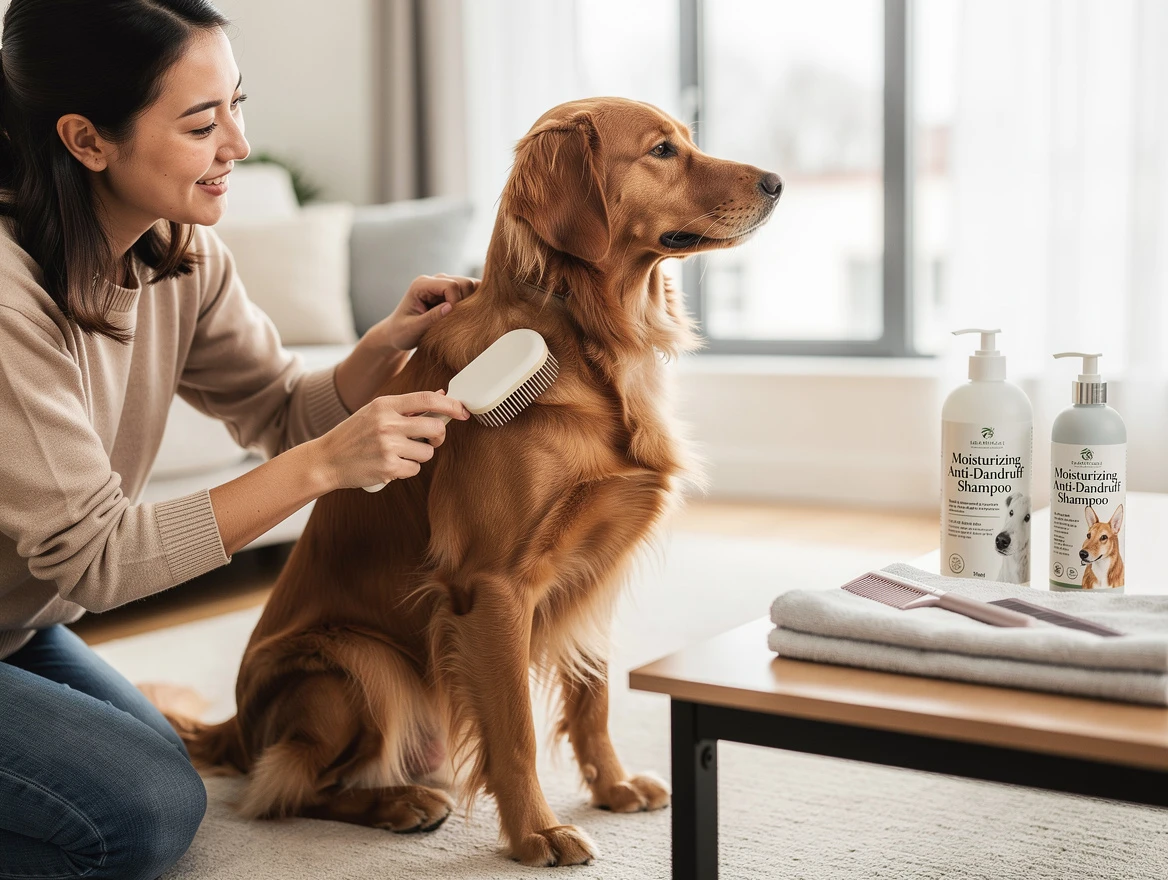
Switch to a Moisturizing Shampoo
Oatmeal-based dog shampoos made an immediate difference in how comfortable my dog felt after baths. The most important rule: do not over-bathe. Once every two weeks is ideal. More frequent washing strips the natural oils protecting the skin and actively worsens dry skin and flaking. Avoid any shampoo with sulfates or strong synthetic fragrances.
Rule Out Allergies and Parasites
If dandruff continues alongside itching, redness, or hair loss after trying tips 1 through 4, book a specific vet visit to test for allergies or parasites. Prescription antihistamines and parasite treatments are the only things that reliably resolve these causes. Home remedies simply cannot address parasites or allergy-driven skin reactions adequately.
Upgrade to Better Quality Food
Diet was a major hidden factor when my dog has dry skin and dandruff that keeps coming back season after season. Switching from a budget kibble to one with real protein as the first ingredient and no excessive fillers made a noticeable improvement within a month. Check the label — Omega fatty acids should be explicitly listed, not just implied by the protein source.
Brush Every Day
Daily brushing with a soft bristle brush removes dead skin cells and distributes your dog’s natural oils evenly through the coat. With four cats and one dog, brushing became our evening ritual. It makes a visible difference in coat quality within just a few days and costs absolutely nothing beyond a few minutes of your time.
Common Mistakes That Make Dog Dandruff Worse
These are mistakes I made myself before understanding why my dog has dry skin and dandruff that kept coming back despite treatment:
- ❌ Using human shampoo — the pH is completely wrong for dog skin and strips protective oils immediately
- ❌ Bathing too often — more than once a week actively causes and worsens dry skin in dogs
- ❌ Ignoring indoor humidity — dry heated air is the single biggest trigger most owners miss entirely
- ❌ Waiting too long to see a vet — a small skin infection caught early costs far less than one caught after weeks of worsening
- ❌ Using human moisturizer on dog skin — many common ingredients like zinc oxide are toxic to dogs
- ❌ Treating it as purely cosmetic — persistent dandruff is almost always a symptom of something that needs real attention
Home Care vs. Vet Treatment: Which Do You Need?
| Situation | Home Care Enough? | Vet Visit Needed? |
|---|---|---|
| Mild flaking, no itching | ✅ Yes — humidifier and diet first | Not urgently |
| Moderate itching plus dandruff | Try Omega supplements and shampoo | ✅ If no improvement in 2 weeks |
| Hair loss alongside dandruff | ❌ Not sufficient | ✅ Yes, book soon |
| Redness, odor, or skin sores | ❌ No | ✅ Yes, urgent |
| No improvement after 4 weeks | ❌ Time to escalate | ✅ Yes — bloodwork likely needed |
Frequently Asked Questions
When my dog has dry skin and dandruff appearing suddenly, the most common triggers are a change in environment such as turning on indoor heating, a new food, or the start of pollen season. If it came on very suddenly alongside lethargy or loss of appetite, see your vet to rule out infection or hormonal problems.
Once every two weeks is the ideal frequency. More frequent bathing strips the natural oils that protect the skin barrier and will make both conditions noticeably worse over time. Always use an oatmeal-based or vet-recommended moisturizing shampoo specifically formulated for dogs.
Small amounts of coconut oil can help moisturize dry skin temporarily, but always check with your vet first. It treats the symptom but does not address the underlying cause of the dandruff. Excessive licking of coconut oil can also cause digestive upset in some dogs.
Regular dandruff from dry skin or diet is not contagious. However Cheyletiella mite infestations — called walking dandruff because the flakes appear to move — can spread to other pets and occasionally irritate human skin. Your vet can test for this specifically with a simple skin scraping.
The fastest thing you can do when my dog has dry skin and dandruff flaring up is to start running a humidifier in the room where your dog spends most time. Most owners see scratching reduce within one week. Combine that with a daily Omega supplement added to food for the best and fastest combined results at home.
With consistent home care including a humidifier, Omega supplements, and better shampoo, most owners see clear improvement within 2 to 4 weeks. Diet changes take the longest — allow 4 to 6 weeks to see the full effect of switching dog food. My dog’s scratching reduced noticeably within 10 days of starting the humidifier alone.
Yes — all four of my cats have experienced dandruff at some point, usually in winter when indoor air gets dry. The causes are similar to dogs but cats are far more sensitive to certain products and essential oils. Never use dog-specific dandruff treatments on cats without getting explicit approval from your vet first.
The Bottom Line
My dog has dry skin and dandruff that used to come back every winter without fail. The fix was not one dramatic solution — it was a combination of small consistent changes that added up quickly. A humidifier, better food, daily Omega oil, and regular brushing cleared things up within three weeks. The flakes on the couch disappeared, the scratching calmed down, and her coat looked genuinely healthier than it had in years.
If your situation matches mine and my dog has dry skin and dandruff is a phrase you have been searching at midnight, start with the cheapest steps first — water intake and indoor humidity — before spending anything on specialty products. And if two weeks of consistent effort produces no improvement, your vet is the next call. Your dog cannot tell you when something is seriously wrong. The dandruff is their way of trying.