Published: 25 March 2026 | Last Updated: 25 March 2026 | Read Time: 9 minutes
Can cats eat egg shells? — yes, and when prepared correctly, eggshells can actually be a valuable calcium supplement for cats. But there’s a right way and a wrong way to feed them, and getting it wrong comes with real risks. I’ve researched this thoroughly for my own four cats, two of whom are aging and need extra joint support, and what I found surprised me. This guide covers everything: whether eggshells are safe, how to prepare them properly, how much to give, and exactly when they can help your cat most.
Quick Answer: Can Cats Eat Egg Shells?
| Question | Answer |
|---|---|
| Are egg shells safe for cats? | ✅ Yes — when properly prepared |
| Can cats eat raw egg shells? | ⚠️ Not recommended — bacterial risk |
| Can cats eat cooked egg shells? | ✅ Yes — safest option |
| Best form to feed | Eggshell powder |
| How much per day | 1/8 teaspoon per 10 lbs of body weight |
| How often | 3–4 times per week maximum |
| Best for | Cats needing extra calcium or joint support |
| Who should avoid | Cats with kidney disease or urinary issues |
Are Egg Shells Good for Cats?
Can cats eat egg shells and actually benefit from them? Yes — eggshells are made up of approximately 95% calcium carbonate, making them one of the most calcium-dense natural foods available. For cats, calcium is essential for bone density, muscle function, nerve signaling, and dental health.
One crushed eggshell provides roughly 800–1,000 milligrams of calcium — more than enough to supplement a cat’s daily needs when given in the right amount. The thin membrane just inside the shell also contains glucosamine, chondroitin, and collagen, which can support joint health in aging or arthritic cats.
According to the Cornell Feline Health Center, calcium deficiency in cats fed homemade or raw diets is one of the most common nutritional imbalances — and eggshell powder is a vet-recognized, cost-effective way to address it.
Can Cats Eat Egg Shells Raw?
Can cats eat egg shells that haven’t been cooked? Technically yes — but it’s not recommended, and here’s why.
Raw eggshells carry two significant risks:
1. Bacterial contamination Raw shells can harbor Salmonella and other harmful bacteria on their outer surface, even when the eggs look and smell completely normal. According to the American Veterinary Medical Association, Salmonella infection in cats can cause vomiting, diarrhea, lethargy, and in severe cases, septicemia.
2. Sharp edges Unprocessed raw shell fragments can have jagged, razor-sharp edges that irritate or damage your cat’s mouth, throat, or digestive tract. This risk is completely eliminated when shells are ground into a fine powder.
The verdict: Can cats eat egg shells raw? Technically, but always prepare them properly first. Boiling or baking eliminates bacteria, and grinding into powder eliminates sharp edges.
Can Cats Eat Egg Shells Cooked?
Yes — and this is the recommended approach. Can cats eat egg shells that have been boiled or baked? Absolutely, and this is the safest way to offer them.
Boiling for 5–10 minutes kills surface bacteria without destroying the calcium content. Baking at 200°F (93°C) for 10–15 minutes achieves the same result and makes the shells easier to grind into a fine powder afterward.
The calcium carbonate in eggshells is heat-stable — cooking doesn’t reduce its nutritional value. What cooking does eliminate is the bacterial risk that makes raw shells potentially dangerous.
Bottom line: Can cats eat egg shells cooked? Yes, always. This is the only form worth using.
How to Make Eggshell Powder for Cats — Step by Step
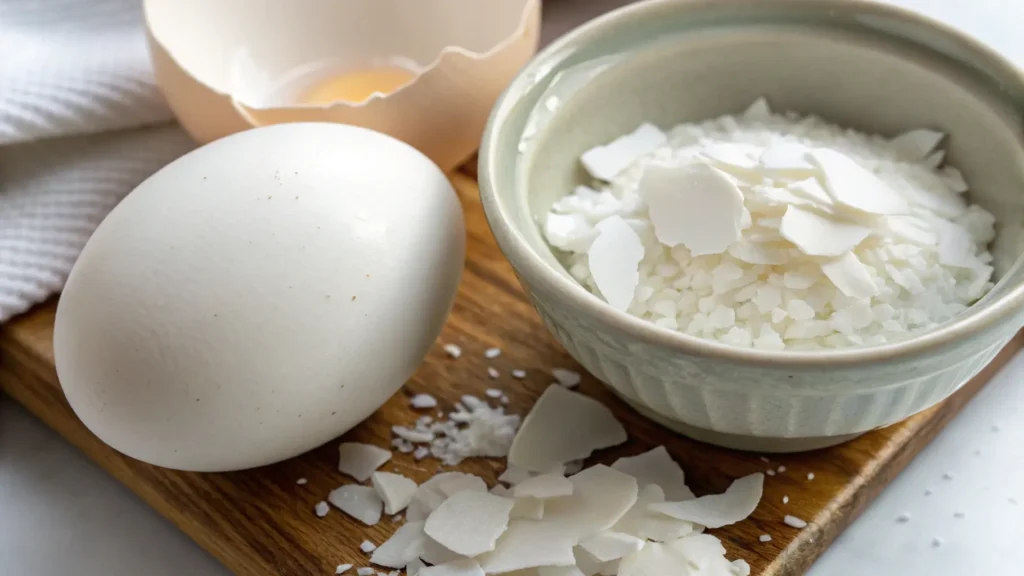
This is the safest and most effective way to feed eggshells to your cat. Can cats eat egg shells in powder form? Yes — this is actually the ideal delivery method because it mixes seamlessly into food with no choking risk.
What you need:
- Clean eggshells (from eggs you’ve already used)
- A pot of water OR an oven
- A clean coffee grinder or food processor
- An airtight glass container for storage
Step 1: Rinse the shells Rinse freshly cracked shells under warm water to remove any remaining egg white. Leftover egg white can cause digestive upset and speeds up bacterial growth.
Step 2: Sterilize Option A (Boiling): Place shells in boiling water for 5–10 minutes. Option B (Baking): Spread on a baking sheet and bake at 200°F (93°C) for 10–15 minutes until completely dry and slightly golden.
Step 3: Cool completely Let shells cool to room temperature before grinding. Hot shells can damage plastic grinders and create steam that introduces moisture into your powder.
Step 4: Grind into fine powder Use a coffee grinder or food processor. Grind until you have a uniform fine powder with no visible shell pieces. Any fragments larger than fine dust are a choking hazard.
Step 5: Store properly Transfer to an airtight glass container. Store in a cool, dry place. Properly stored eggshell powder keeps for up to 2 months.
How Much Eggshell Powder to Give Your Cat
Can cats eat egg shells in large amounts? No — over-supplementation is a real risk. Too much calcium causes hypercalcemia, which can lead to kidney stones, bladder problems, and digestive issues.
Recommended amount:
| Cat’s Body Weight | Eggshell Powder Per Serving | Frequency |
|---|---|---|
| Under 5 lbs (kitten/small cat) | 1/16 teaspoon | 2–3x per week |
| 5–10 lbs (average adult cat) | 1/8 teaspoon | 3–4x per week |
| 10–15 lbs (large cat) | 1/8–1/4 teaspoon | 3–4x per week |
| Over 15 lbs | Consult your vet | — |
How to feed it: Simply sprinkle the powder directly onto your cat’s wet food and mix it in. Most cats don’t notice it at all — it’s tasteless and blends in completely.
Important: If your cat is already eating a complete commercial cat food, they’re likely getting adequate calcium. Eggshell supplementation is most useful for cats on raw or homemade diets, cats with diagnosed calcium deficiency, or senior cats with joint issues — always confirm with your vet before starting.
Signs Your Cat May Benefit From Eggshells
Can cats eat egg shells as a targeted supplement? Yes — and some cats benefit more than others. Watch for these signs that your cat might need extra calcium:
Signs of calcium deficiency:
- Brittle or weak nails
- Dental problems or loose teeth
- Bone fractures from minor impacts
- Muscle tremors or twitching
- Stiffness or reluctance to jump (in older cats)
- Frequent diarrhea (calcium helps firm stools)
Cats who benefit most:
- Cats on raw or homemade diets that lack balanced mineral ratios
- Senior cats with arthritis or joint pain (the membrane provides glucosamine and collagen)
- Pregnant or nursing cats with increased calcium demands
- Kittens during rapid bone growth phases
If you notice your cat showing signs of nutritional deficiency alongside other symptoms — changes in appetite, weight loss, or unusual thirst — it’s worth reviewing our guide on 7 diabetic cat signs and scheduling a vet visit for a full bloodwork panel.
Risks of Feeding Eggshells to Cats
Can cats eat egg shells without any risks? When properly prepared, the risks are minimal — but they’re worth understanding.
1. Choking and digestive injury The only significant physical risk comes from improperly ground shells. If your powder still contains any pieces or fragments, these can cause mouth irritation, esophageal scratching, or digestive discomfort. Always grind to a uniform fine powder.
2. Over-supplementation Too much calcium disrupts the calcium-phosphorus balance that cats need for proper organ function. Excess calcium is linked to kidney stones, bladder crystals, and constipation. Stick to the recommended amounts above.
3. Bacterial contamination from raw shells Always sterilize before feeding. Never skip this step.
4. Drug interactions Calcium can interact with certain medications, including some antibiotics and thyroid medications. If your cat is on any prescription medication, check with your vet before adding eggshell powder.
Who should NOT have eggshells:
- Cats with kidney disease (excess calcium worsens kidney function)
- Cats with a history of urinary crystals or bladder stones
- Cats already on calcium-supplemented commercial food without a vet’s guidance
If your cat has any existing health conditions and you notice any breathing changes or unusual symptoms after starting supplements, our guide on cat breathing fast but otherwise normal covers the warning signs worth monitoring.
Raw vs. Cooked vs. Powder — Which Is Best?
| Form | Safety | Ease of Use | Recommended? |
|---|---|---|---|
| Raw whole shell | ⚠️ Bacterial risk + sharp edges | Difficult | ❌ No |
| Raw shell fragments | ⚠️ Sharp edge risk | Difficult | ❌ No |
| Boiled/baked whole shell | ✅ Safe | Medium | 🟡 Acceptable |
| Eggshell powder (boiled first) | ✅ Safest | Easy | ✅ Best option |
Can cats eat egg shells in any form? The calcium is available in all forms — but safety and practicality make properly prepared powder the clear winner.
What Should I Feed My Senior Cat?
This is one of the most common questions I get — and eggshells actually have a specific role here. Senior cats (generally 7+ years for most breeds) have increasing calcium and joint support needs as their metabolism changes and their bodies become less efficient at absorbing nutrients from food.
The glucosamine and collagen found in the eggshell membrane — the thin white layer just inside the shell — are the same compounds used in commercial joint supplements. For an aging cat, incorporating eggshell membrane (not just the shell itself) provides both calcium and joint support in one natural source.
Senior-specific guidance:
- Transition slowly — start with half the recommended amount for 2 weeks before increasing
- Watch for any digestive changes, especially softer stools or increased water intake
- Schedule a vet bloodwork panel every 6 months to track calcium levels
- Pair with wet food to ensure adequate hydration — senior cats are prone to kidney disease, and hydration is critical
For senior cats with specific health concerns or cats who have stopped eating, our guide on why is my cat throwing up covers behavioral and dietary changes that can indicate something beyond simple nutrition needs.
What Is the One Meat to Never Feed a Cat?
Since we’re talking about safe and unsafe foods for cats — this People Also Ask question comes up often. The one meat most veterinarians consistently warn against feeding cats is raw pork.
Raw pork carries a high risk of Trichinella parasites and Salmonella contamination. Unlike chicken or beef, pork also has a higher fat content that can trigger pancreatitis in cats. Processed pork products like bacon, ham, and sausage are additionally high in sodium — dangerous for cats even in small amounts.
Other foods to completely avoid: onions, garlic, grapes, raisins, chocolate, alcohol, xylitol (artificial sweetener), and raw dough.
Frequently Asked Questions
Can cats eat egg shells every day? No — daily supplementation risks calcium over-accumulation. Stick to 3–4 times per week maximum. Cats eating balanced commercial food may need even less. If in doubt, ask your vet.
Can cats eat egg shells raw or cooked? Always cooked. Raw eggshells carry Salmonella risk and sharp fragment hazards. Boil for 5–10 minutes or bake at 200°F before grinding into powder.
How much egg shell powder should I give my cat? For an average 5–10 lb adult cat: 1/8 teaspoon of finely ground eggshell powder sprinkled onto wet food, 3–4 times per week. Adjust based on your cat’s size and current diet.
Are egg shells okay for cats with kidney disease? No — cats with kidney disease should not receive additional calcium supplementation. Excess calcium can worsen kidney function and accelerate disease progression. Always consult your vet before supplementing a cat with any health condition.
Can kittens eat egg shells? Yes, in very small amounts — 1/16 teaspoon maximum, 2–3 times per week. Kittens are growing rapidly and need calcium, but their small size means over-supplementation risk is higher. Ensure their primary food is a complete kitten formula before adding any supplement.
What do you feed a senior cat with no teeth? Senior cats with no teeth need exclusively soft, wet food. Eggshell powder can be a useful supplement for these cats because it blends invisibly into wet food and provides calcium they may not be absorbing as efficiently due to reduced food intake. Always warm the food slightly — it releases aroma that encourages appetite in cats with dental issues.
Can cats eat quail egg shells? Yes — quail eggshells are safe for cats using the same preparation method as chicken eggshells. They’re slightly thinner and easier to grind into powder. The calcium content is comparable per weight.
Bottom Line
Can cats eat egg shells? Yes — properly prepared eggshell powder is a safe, inexpensive, and effective calcium supplement for cats who need it. Boil or bake first, grind to a fine powder, and stick to 1/8 teaspoon on wet food a few times per week. The cats who benefit most are those on raw or homemade diets, senior cats with joint concerns, and any cat with diagnosed calcium deficiency. If your cat is on commercial food and appears healthy, check with your vet before adding any supplement — they may already be getting everything they need.
This article is for informational purposes only and does not constitute veterinary or nutritional advice. Always consult a licensed veterinarian before making changes to your cat’s diet or adding supplements.
Related Articles
- 7 Signs Your Cat Loves You More Than You Think — Understanding your cat’s behavior and emotional signals.
- Cat Breathing Fast But Otherwise Normal? — Monitoring health changes that may indicate nutritional or medical issues.
- Why Is My Cat Throwing Up? — Dietary changes and supplementation can sometimes cause GI reactions.
- 7 Diabetic Cat Signs You Shouldn’t Ignore — Nutritional imbalances and health conditions that affect your cat’s diet.