You reach down to pet your cat and notice the ears feel unusually warm, almost hot. Why my cat’s ears are hot is one of those moments that sends most owners straight to Google at midnight. The good news is that warm ears alone are often nothing to worry about. The concerning news: sometimes they’re the first sign of something that needs attention.
Here’s how to tell the difference.
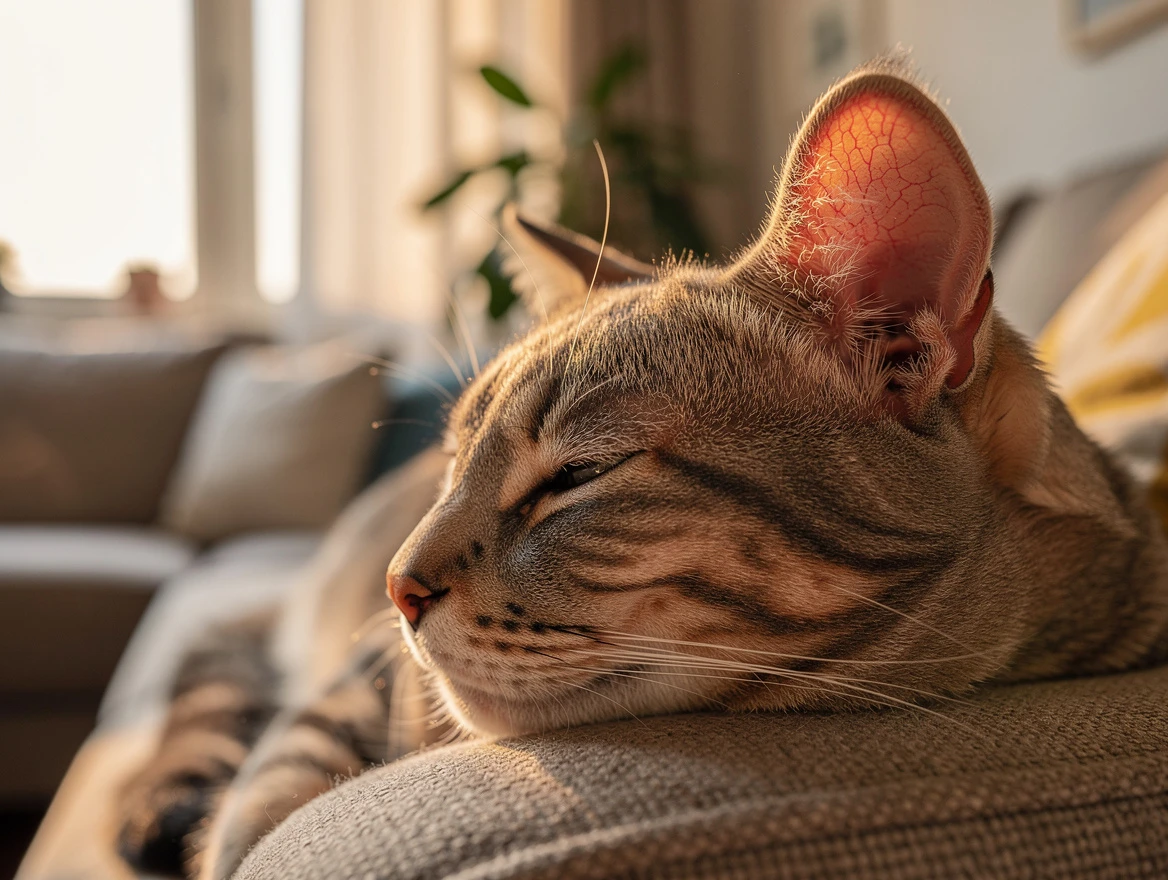
Warm ears in cats are normal after sleeping in the sun, playing, or resting in a warm spot. Hot ears become a concern when combined with lethargy, loss of appetite, sneezing, discharge, or other symptoms. A cat’s normal ear temperature runs slightly warmer than humans feel comfortable with, this alone is not a reason to panic.
- Lethargy — cat unusually still or unresponsive
- Not eating or drinking for more than 24 hours
- Discharge from the ears — dark, waxy, or smelly
- Head shaking or scratching at ears constantly
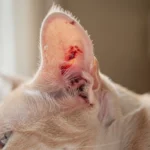
- Visible redness or swelling inside the ear canal
- Sneezing, nasal discharge, or labored breathing
Are My Cat’s Ears Supposed to Be Warm or Cold?
 A cat’s normal body temperature is between 101°F and 102.5°F, significantly higher than a human’s 98.6°F. Because cats’ ears are thin, hairless in many areas, and packed with blood vessels, they naturally radiate more heat than the rest of the body.
So yes, your cat’s ears will feel warm to human touch even when the cat is perfectly healthy. What you’re feeling most of the time is completely normal thermoregulation, not illness.
| Ear Temperature | Likely Cause | Action Needed? |
|---|---|---|
| Slightly warm | Normal — resting, sun exposure, body heat | None |
| Warm after activity | Normal — increased circulation from play | None |
| Hot + other symptoms | Possible fever, infection, or inflammation | Vet visit |
| Only one ear hot | Possible ear infection or injury | Monitor, vet if persists |
| Hot + discharge or smell | Ear infection or ear mites likely | Vet same day |
7 Reasons My Cat’s Ears Are Hot
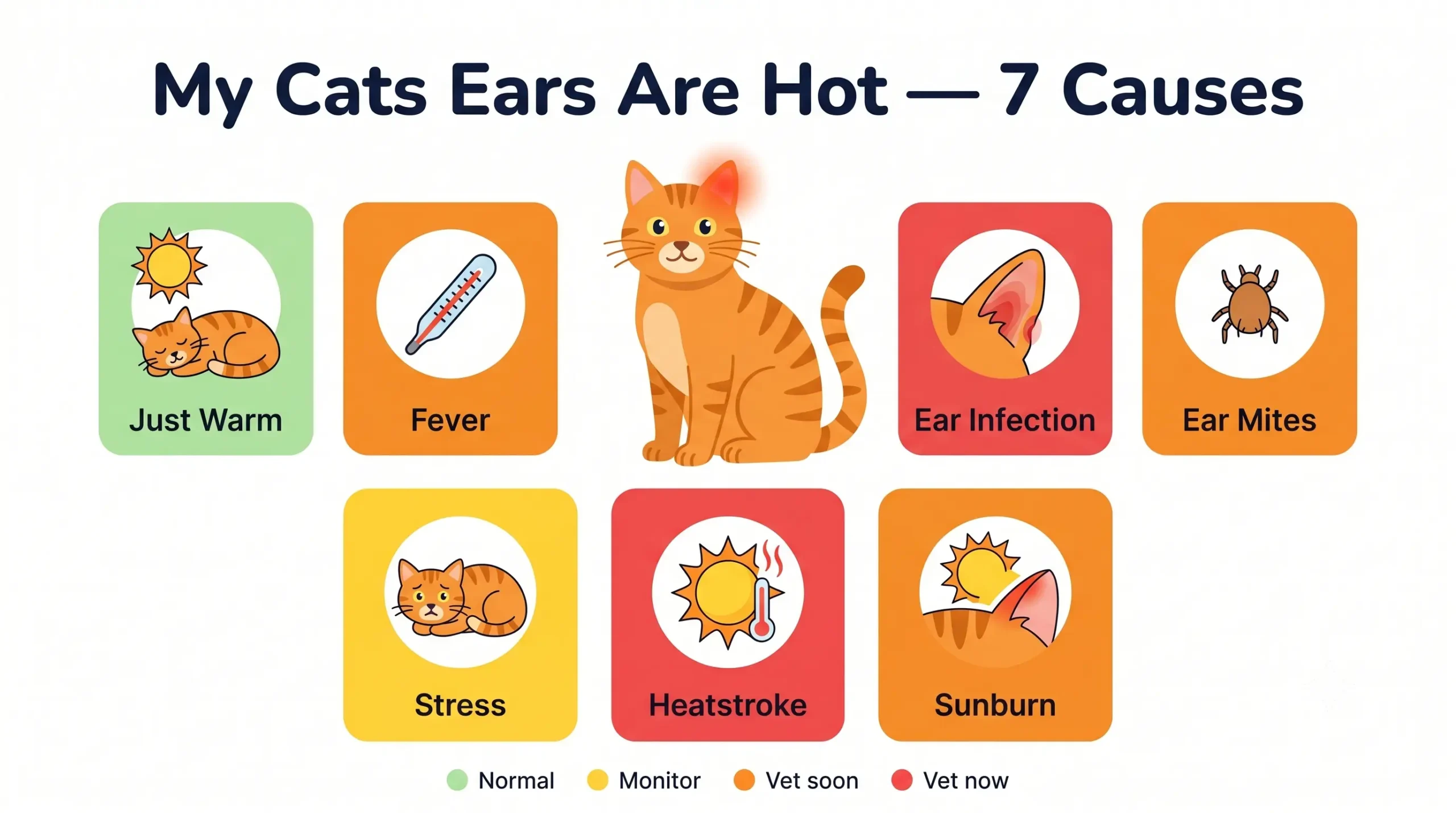
1. Normal Body Temperature
The most common reason, your cat is simply warm. After sleeping in a sunny spot, sitting near a heat source, or being wrapped in a blanket, the ears will feel noticeably hot to touch. If the cat is eating, drinking, and behaving normally, this is not a concern.
2. Fever
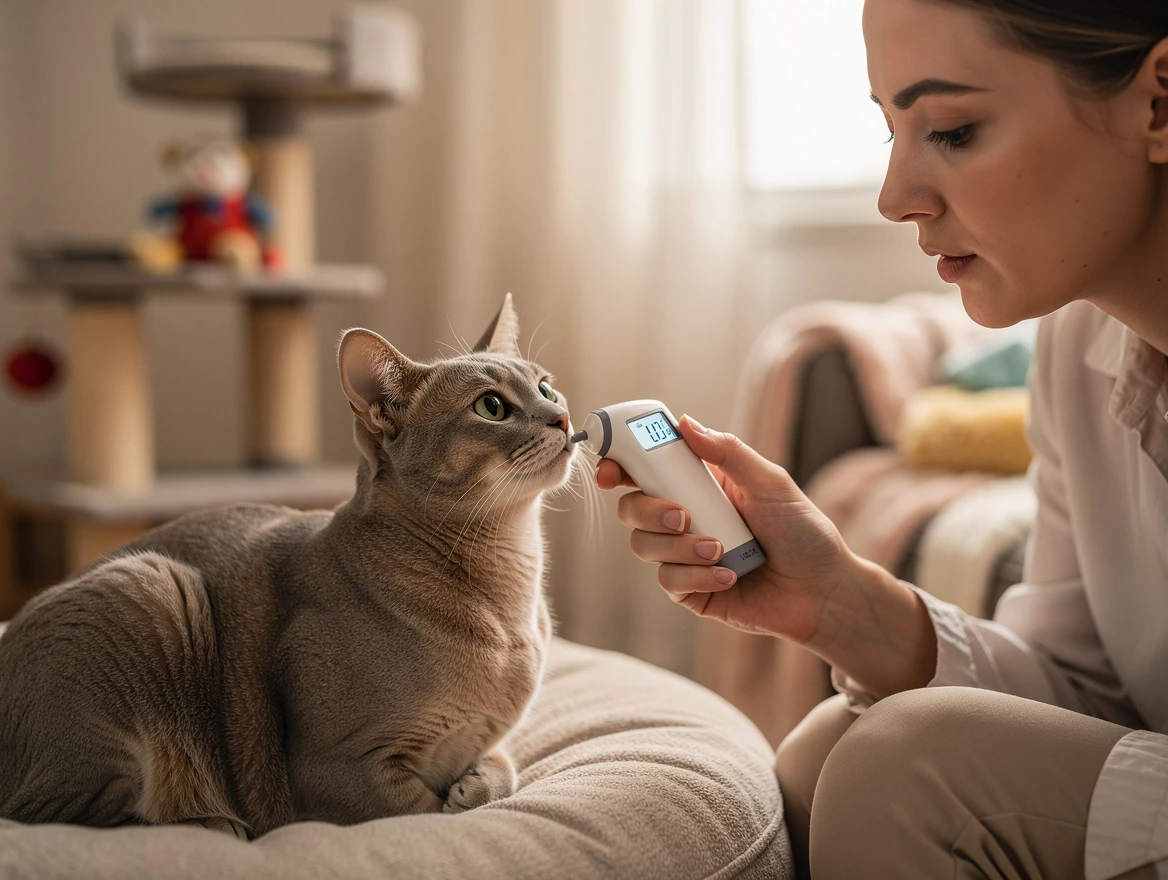
A genuine fever (temperature above 103°F) will make the ears feel hotter than usual, but hot ears alone are not a reliable fever test. A cat with a fever will also show other signs: lethargy, loss of appetite, shivering, or hiding. The only accurate way to confirm a fever is with a rectal thermometer. Related: My Cat Is Lethargic But Eating and Drinking — lethargy alongside hot ears is a more significant combination.
3. Ear Infection or Ear Mites
Bacterial or yeast ear infections cause localized heat, inflammation, and often a dark waxy discharge with an unpleasant smell. Ear mites are tiny parasites living in the ear canal that cause similar heat and inflammation, but with dark, crumbly discharge and intense itching, more common in cats that go outdoors or live with other animals. Either way, the cat will scratch at the affected ear and shake their head frequently. Both need veterinary treatment, antibiotics or antifungal medication for infections, antiparasitic drops for mites, they don’t resolve on their own.
4. Stress or Anxiety
Emotional stress causes increased blood flow and raised body temperature in cats. A cat that has been through a stressful experience, a vet visit, a new pet in the house, or a loud event, may have noticeably warmer ears for a few hours afterward. This resolves on its own once the stressor passes.
5. Allergies
Environmental or food allergies can cause inflammation throughout the body including the ear area. If your cat’s ears are consistently warm alongside itching, skin changes, or sneezing, allergies are worth investigating with your vet.
6. Heatstroke
In hot weather or poorly ventilated rooms, cats can overheat rapidly. Heatstroke causes extremely hot ears alongside panting, drooling, weakness, and possible collapse. This is a medical emergency, move the cat to a cool area, offer water, and get to a vet immediately. Do not use ice or cold water, cool gradually with lukewarm damp cloths.
7. Sunburn
White cats and cats with pale or thin ear tips are susceptible to sunburn, particularly on the ear tips. Repeated sunburn can develop into squamous cell carcinoma. If your cat spends time in sun and the ear tips look pink, crusty, or irritated alongside feeling hot, see the vet.
Hot But Acting Normal
This is the most common situation, and almost always benign. If your cat’s ears feel warm or hot but the cat is eating well, drinking normally, playing, and showing no other symptoms, the most likely explanation is environmental warmth, recent activity, or normal thermoregulation.
Monitor for 24 hours. If the ears cool down and nothing else changes, no action needed. If the ears remain unusually hot after 24 hours with no obvious environmental cause, call the vet.
One Ear Is Hot
When only one ear is hot, that’s more significant than both ears being warm. Bilateral warmth (both ears) often means environmental or systemic causes, less concerning as a pattern. Unilateral warmth, one ear hotter than the other, points to a localized problem: ear infection, ear mites, a foreign object in the ear canal, or injury.
Check the hot ear for dark discharge, unusual smell, redness, or swelling. If any of these are present, vet visit within 24–48 hours. If the ear looks normal but stays hotter than the other for more than a day, still worth a vet check.
Cat Hot Ears From Stress
Stress is an underestimated cause of warm ears. When cats feel threatened, anxious, or overstimulated, blood pressure and circulation increase, making the ears feel hot. Common triggers include other animals, visitors, travel, or changes in the home environment.
Stress-related hot ears are temporary and resolve without treatment. If your cat is frequently stressed, address the underlying cause, environmental enrichment, separate feeding areas in multi-cat homes, and pheromone diffusers all help.
Hot Ears and Dry Nose
The old belief that a wet nose means a healthy cat and a dry nose means illness is a myth. A cat’s nose is naturally dry at various points throughout the day, after sleeping, in dry weather, or after activity. Hot ears plus a dry nose together do not indicate illness unless other symptoms are present.
The combination that matters is: hot ears + dry nose + lethargy + not eating. That combination warrants a vet call. Hot ears + dry nose + normal behavior = nothing to worry about.
Can You Tell If a Cat Has a Fever by Their Ears?
No, not reliably. While a cat with a high fever will often have hot ears, hot ears alone do not confirm a fever. Many healthy cats have ears that feel hot to human touch simply because our body temperature is lower than theirs.
The only accurate way to check for fever is a rectal thermometer. Normal cat temperature is 101–102.5°F. Above 103°F is a fever. Above 104°F is urgent. If you suspect fever but cannot check temperature, look for the accompanying signs: lethargy, shivering, loss of appetite, hiding.
Hot Ears After Playing
Completely normal. Vigorous play increases circulation and body temperature. The ears, being thin and vascular, radiate this heat efficiently. A cat with hot ears immediately after a play session needs no attention. The ears will return to baseline within 15–30 minutes as the cat rests.
How to Care for Hot Ears at Home

- Fresh water always available — hydration helps regulate body temperature
- Keep rooms cool and ventilated — especially in summer months
- Move cat away from direct sun — especially white or pale-eared cats
- Check ears regularly during grooming — early detection of discharge or redness
- Clean ears with vet-approved solution only — never use cotton swabs deep in the ear canal. Related: How to Clean Cat Ears
- No human medications — never apply human creams or drops to cat ears without vet guidance
Common Mistakes to Avoid
- Dismissing hot ears as always normal — warmth with other symptoms is not normal
- Waiting too long — ear infections and heatstroke worsen quickly without treatment
- Using ice or cold water for heatstroke — rapid cooling causes shock. Use lukewarm water only
- Trying home remedies for ear infections — only antibiotics or antifungals from a vet resolve these
- Skipping regular ear checks — problems caught early are faster and cheaper to treat
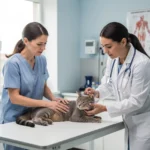
🩺 When to See a Vet
- Hot ears lasting more than 24 hours with no environmental explanation
- Only one ear is hot — possible localized infection
- Dark, waxy, or smelly discharge from the ear
- Cat scratching ears or shaking head repeatedly
- Hot ears combined with lethargy, not eating, or hiding
- Visible redness, swelling, or crusting on ear tips
- Suspected fever — temperature above 103°F
Frequently Asked Questions
Not immediately if the cat is acting normally. Warm ears in an otherwise healthy, active cat are usually normal. Worry if hot ears are accompanied by lethargy, not eating, discharge, or head shaking.
Generally less concerning. Both ears warm together usually points to something affecting the whole body or environment, sun exposure, activity, ambient heat, general body temperature. One ear noticeably hotter than the other is the pattern that more often points to a localized problem like an infection, so it deserves closer attention.
Yes. Cats with thin fur or largely hairless ears, like Sphynx cats or Cornish Rex, tend to run warmer to the touch simply because there’s less fur insulating the blood vessels near the surface. If your cat’s ears have always felt warmer than a friend’s cat, that’s likely just their normal baseline rather than a symptom of anything.
The Bottom Line
Why my cat’s ears are hot, in most cases this is normal and requires no action. Cats run warmer than humans and their ears reflect that. The question to ask is not “are the ears hot?” but “are the ears hot AND is something else different about my cat?”
Hot ears alone, no concern. Hot ears plus lethargy, discharge, head shaking, or not eating, that combination needs a vet visit.

Related Articles
My Cat Is Lethargic But Eating and Drinking
Lethargy with hot ears is a more serious combination.