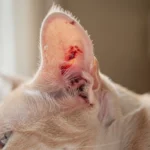

“My cat is being bullied by another cat outside” rarely starts as anything dramatic. My shyest cat used to love her yard time. Then, over a couple of weeks, she started hesitating at the door, then refusing to go out at all, then hiding under the bed for most of the day. It took me longer than I’d like to admit to connect the dots to the confident-looking tabby I’d started seeing patrol the fence line. Once I did, fixing it took real changes — not just hoping the other cat would lose interest.
The good news is it’s fixable. Here’s what actually moved the needle for us, roughly in the order I’d tackle them.

The Signs to Watch
The behavioral signs usually show up before the physical ones: sudden reluctance to go outside, more hiding indoors than usual, startling easily, or redirected crankiness toward you or another pet in the house. Physical signs — unexplained scratches, bald patches, weight loss, or a swollen lump under the skin from an infected bite — tend to mean the situation has been going on a while already.
- Any bite wound or puncture — these close over fast on the surface but abscess underneath within 48–72 hours
- Limping, or a total refusal to move around normally
- No appetite for more than 24 hours
- A swollen, painful lump anywhere on the body
- Extreme lethargy, pale gums, or cold-feeling paws and ears
Why It Happens
Sometimes this is a stranger cat passing through. Other times it’s a resident tom or queen next door that treats your yard as an extension of its own territory. A cat being bullied by a neighbour’s cat, specifically, is one of the most common versions of this I hear from other owners.
Outdoor cat conflict almost always comes down to territory, resources, or a confidence mismatch. A confident, established cat treats the outdoor space like exclusive property and will challenge anything it sees as an intruder, even a cat that’s lived on that street for years. If you feed your cat outside, or leave food out at all, that spot becomes a magnet for competition. And a naturally more anxious or submissive cat tends to get targeted more, because body language signals vulnerability to other cats before you’d ever notice it yourself.
The good news is that most of this is addressable without having to control the other cat directly — you’re mainly changing your own cat’s exposure and confidence.
My Cat Is Being Bullied by Another Cat Outside — What Actually Worked
A Catio or Secure Enclosure
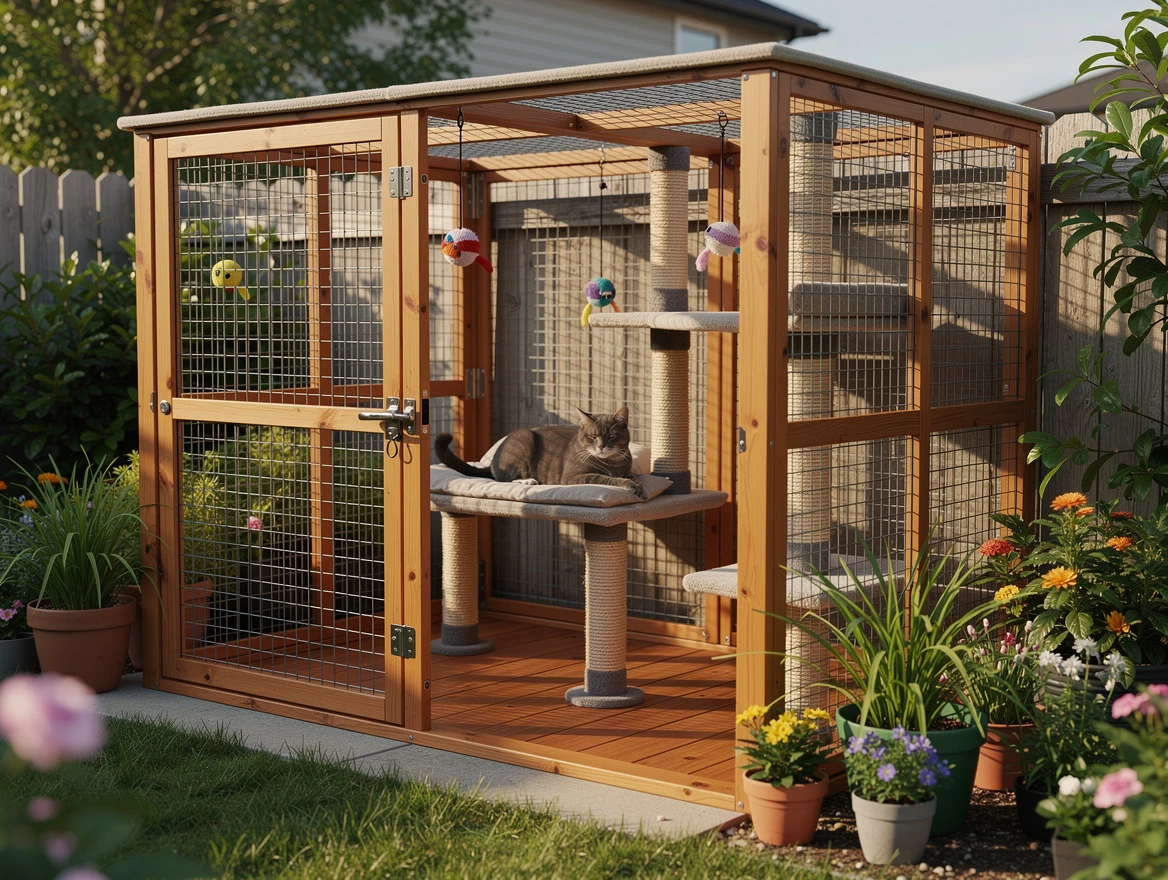
This was the single biggest change for us. It gives outdoor air and sunlight with zero exposure to the other cat. Even a simple screened box attached to a window works. Basic setups start around $150; a proper walk-in catio runs $300–$500.
A Microchip-Activated Cat Flap
A regular cat flap lets any cat follow yours straight back into the house. A microchip flap only opens for the chip it recognizes, so your cat always has a guaranteed safe zone to retreat to, even mid-chase. Installation runs $200–$400 and, next to the catio, was the change that mattered most.
Talk to the Neighbor If You Know Whose Cat It Is
Most owners genuinely don’t know what their cat gets up to outside their own yard. A calm, non-confrontational conversation (or a friendly note, if talking isn’t practical) resolves more of these situations than you’d expect.
Daily Play to Rebuild Confidence
Fifteen minutes a day with a wand toy or laser pointer does double duty — it burns off anxiety and visibly changes how a cat carries itself. Within about two weeks of consistent daily play, my cat’s whole posture around the house was different: taller, more curious, less startled by every sound.
Stop Feeding Outdoors
An outdoor food bowl is a resource magnet for any confident cat in the area. Moving feeding fully indoors removes one of the most common triggers for confrontation in the first place.
Motion-Activated Deterrents
A motion-activated sprinkler aimed at your yard (not the cat directly) discourages an intruder from lingering, without hurting anyone. These work well over time because cats generally dislike unpredictable startles.
A Pheromone Diffuser Indoors
Won’t stop the other cat, but it measurably reduces your own cat’s baseline anxiety at home, which makes everything else on this list work a bit better and faster.
Mistakes to Avoid
- Dismissing early behavior changes as “just a mood” — hiding more and startling easily are real stress signals
- Letting a cat roam with no safe retreat option nearby — that’s what makes a cat a consistent target
- Continuing to feed outdoors after conflict has started
- Skipping the vet check after any bite — abscesses develop faster than people expect
- Waiting for it to resolve on its own — territorial dynamics between cats rarely do. If a neighbour’s cat keeps attacking yours, that pattern tends to continue until something changes on your end.
Frequently Asked Questions
With the catio, flap, daily play, and deterrents all in place, we saw a clear shift in behavior within two to three weeks. The physical protection (catio, flap) works immediately; confidence takes a little longer to rebuild.
Yes, if you’d rather avoid the whole problem, full-time indoor living is a completely valid choice. Many cats adapt well to full indoor life with enough climbing space and interactive play. A catio gives you a middle ground if you want outdoor air without the exposure.
When you don’t know the other owner, focus on the deterrents and access-control steps (catio, microchip flap, motion sprinklers) rather than trying to track down an owner. They protect your cat regardless of where the other cat comes from.
Yes — long-term chronic stress from this kind of ongoing conflict can show up as weight loss, urinary issues, over-grooming, and a weaker immune response overall. It’s worth treating as a real health issue, not just a behavioral inconvenience.
My cat gets bullied far less now than before, and none of this required confronting the other cat directly — it’s really about changing your own cat’s exposure and rebuilding their confidence. That combination is what turned things around for us, and it’s held for months since.