Published: March 19, 2026 | Last Updated: March 19, 2026 | Read Time: 10 minutes
How to treat cherry eye in dogs without surgery starts with one important truth: home care may reduce swelling, protect the eye, and sometimes help temporarily, but it does not always cure the condition permanently. In many dogs, surgery is still the long-term fix. That said, there are a few safe things you can do at home to keep your dog more comfortable and possibly prevent the problem from getting worse before a vet visit.
If you’ve noticed a red, swollen lump in the inner corner of your dog’s eye, this guide will walk you through what cherry eye is, what may help at home, what not to do, and when surgery becomes necessary.
How to Treat Cherry Eye in Dogs Without Surgery: Quick Answer
If you want the short answer, the safest home care options include:
- keeping the eye moist with a vet-approved lubricant
- using a warm compress
- reducing irritation and rubbing
- trying very gentle massage only in mild cases
- preventing dryness and further swelling
- seeing a vet if the gland stays out, becomes painful, or looks worse
Home treatment for cherry eye in dogs is mostly about comfort and protection. It may help in early or mild cases, but if the gland remains prolapsed, surgery is often needed to put it back in place properly.
| Situation | Home Care May Help | Vet Needed |
|---|---|---|
| Mild swelling, recent onset | Yes | Soon if not improving |
| Dog comfortable, eye still moist | Yes | Monitor closely |
| Red gland remains out for days | Limited | Yes |
| Eye looks dry or very irritated | No | Yes |
| Discharge, squinting, pain | No | Yes |
| Repeated cherry eye episodes | No | Yes |
What Is Cherry Eye in Dogs?
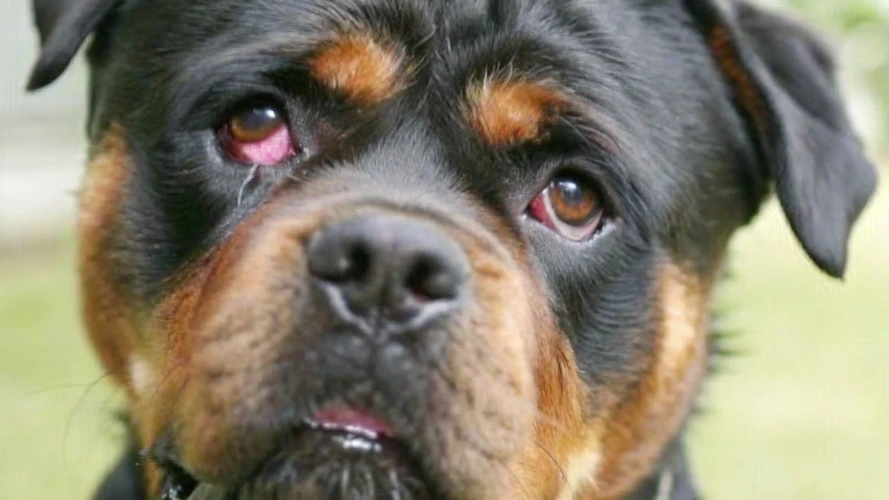
Cherry eye happens when the gland of the third eyelid slips out of place and becomes visible as a pink or red lump in the inner corner of the eye. That gland is important because it helps produce tears.
When the gland stays exposed:
- it becomes irritated
- it may dry out
- it can swell more
- the dog may paw at the eye
- long-term tear production can be affected
According to VCA Animal Hospitals, this condition is common in certain breeds and often needs treatment to protect the gland. The American Kennel Club also notes that surgery is commonly recommended when the gland does not return to its normal position.
What Cherry Eye Looks Like
Cherry eye usually looks like:
- a pink or red round mass
- swelling in the inner corner of one eye
- sometimes both eyes become affected
- eye rubbing or pawing
- mild tearing or discharge
- irritation from wind, dust, or dryness
In the beginning, the swelling may come and go. Later, it may stay out all the time.
Can Cherry Eye Be Treated Without Surgery?
This is the part most owners really want to know.
Sometimes, how to treat cherry eye in dogs without surgery means managing the problem early enough that swelling goes down and the gland becomes less irritated. In mild cases, temporary improvement can happen. But in many dogs, home care does not permanently fix the underlying problem.
That’s because the real issue is usually weak connective tissue holding the gland in place. Home care can reduce inflammation, but it often cannot correct the structural problem long term.
So the realistic answer is:
- Yes, home care may help temporarily
- Yes, it can protect the eye and reduce discomfort
- No, it does not reliably cure every case
- Yes, some dogs will still need surgery
This is where your content can beat weaker pages: be honest, practical, and safe.
How to Treat Cherry Eye in Dogs Without Surgery: 7 Safe Relief Tips
1. Use a Warm Compress
A warm compress may help reduce mild swelling and soothe the area.
How to do it
- Soak a clean soft cloth in warm water
- Wring it out well
- Hold it gently against the closed eye for 1 to 2 minutes
- Repeat 2 to 4 times a day
Why it helps
- improves circulation
- may calm irritation
- may reduce mild puffiness
Do not press hard. The area is sensitive.
2. Keep the Eye Lubricated
A dry eye is more likely to become irritated. Lubrication is one of the safest forms of cherry eye home treatment.
Use:
- sterile artificial tear gel
- preservative-free lubricating eye drops
- only dog-safe or vet-approved eye lubricants
Avoid random human eye drops unless a vet says they are safe.
The Merck Veterinary Manual explains that the third eyelid gland plays an important role in tear production, which is why protecting it matters.
3. Prevent Pawing and Rubbing
One of the fastest ways to make cherry eye worse is letting your dog rub the eye nonstop.
Try:
- an e-collar if needed
- trimming nails
- keeping the dog calm
- limiting rough play
- avoiding dusty or windy environments
If your dog keeps pawing at the eye, home care becomes harder and inflammation often gets worse.
4. Try Gentle Massage Only in Mild Cases
Some owners ask about dog cherry eye massage. Very gentle massage may sometimes help in very early or mild cases, but it must be done carefully.
How to do it
- Wash your hands thoroughly
- Apply lubricating eye gel first
- Close your dog’s eyelid gently
- With very light pressure, massage from the inner corner downward and inward
- Stop immediately if your dog seems painful or stressed
Important:
Do not force the gland. Do not press hard. If the tissue looks very swollen, dry, inflamed, or painful, skip massage and see a vet.
Massage is not a guaranteed fix. At best, it may help in select mild cases.
5. Reduce Eye Irritation
Dogs with cherry eye do better when the eye is protected from additional irritation.
That means:
- avoid shampoo getting near the eye
- keep the face clean
- wipe discharge gently with sterile saline or clean damp gauze
- avoid smoke, dust, and strong wind
- avoid letting your dog stick their head out the car window
Simple protection can make a big difference while you decide on next steps.
6. Watch for Infection or Dryness
Cherry eye itself is not always an infection, but the exposed gland can become irritated and inflamed.
Call a vet sooner if you notice:
- yellow or green discharge
- strong squinting
- a cloudy eye
- obvious pain
- dry-looking eye surface
- swelling getting larger
These signs suggest the problem is moving beyond basic cherry eye in dogs treatment at home.
7. Book a Vet Visit if It Doesn’t Improve Quickly
This may sound obvious, but it belongs in the list because it’s part of safe treatment.
If the gland stays out, keeps recurring, or looks worse after a short trial of home support, it’s time for a vet exam.
Home care is not failure. It’s first aid.
But long-term management often needs professional evaluation.
What Not to Put in Your Dog’s Eye
If you’re trying how to treat cherry eye in dogs without surgery, avoid risky DIY advice.
Do not use:
- essential oils
- apple cider vinegar
- hydrogen peroxide
- alcohol
- medicated creams not made for eyes
- random human eye drops
- herbal pastes
- honey unless specifically approved by a vet ophthalmologist
These can burn, irritate, or damage the eye.
When to See a Vet Immediately
See a vet quickly if:
- the eye looks very painful
- your dog keeps squinting
- there is pus or colored discharge
- the gland remains prolapsed
- both eyes are affected
- your dog seems unable to close the eye well
- the eye surface looks dry or cloudy
- the swelling keeps increasing
If the gland stays out too long, the risk of chronic irritation and tear problems increases.
A useful reference from PetMD explains that surgery is commonly needed because the gland should usually be preserved and replaced, not removed.
Cherry Eye Surgery in Dogs: What Owners Should Know
A lot of owners search for cherry eye surgery in dogs because they want to know whether surgery is inevitable.
In many cases, surgery is the best long-term option because:
- it repositions the gland
- it helps preserve tear production
- it reduces recurrence risk
- it protects the eye long term
Typical surgery cost
Costs vary by location, clinic, and whether one or both eyes are involved, but many owners pay roughly:
- $300 to $800 for one eye
- more if both eyes need repair
- more if sedation, medications, or follow-up visits are added
The exact cost depends on your vet and region.
What Causes Cherry Eye in Dogs?
If you’re wondering what causes cherry eye in dogs, the main cause is weakness in the tissue that holds the third eyelid gland in place.
Common contributing factors:
- breed genetics
- young age
- facial structure
- weak connective tissue
It is especially common in:
- Bulldogs
- Beagles
- Cocker Spaniels
- Shih Tzus
- Lhasa Apsos
- Boston Terriers
- Pugs
- Mastiffs
Breeds Most Likely to Get Cherry Eye
Some dogs are simply more prone than others.
High-risk breeds include:
- English Bulldog
- French Bulldog
- Beagle
- Cocker Spaniel
- Boston Terrier
- Pug
- Shih Tzu
- Lhasa Apso
- Mastiff
- Bloodhound
If your dog belongs to one of these breeds, early recognition matters.
Can Cherry Eye Go Away on Its Own?
Sometimes the gland may temporarily slip back into place, especially early on. But that does not mean the problem is gone.
This is why many owners ask: can cherry eye go away on its own?
The honest answer:
- sometimes it improves briefly
- sometimes it comes and goes
- many cases come back
- long-term correction often requires surgery
So yes, it can look better for a while, but recurrence is common.
Frequently Asked Questions
Can I fix my dog’s cherry eye at home?
You may be able to reduce swelling and protect the eye at home, but you cannot always permanently fix it. Mild cases sometimes improve temporarily, but many dogs still need surgery.
Is massage safe?
Only very gentle massage in mild cases may help. Never press hard, and stop if your dog seems painful.
What is the best home treatment?
The safest home options are lubrication, warm compresses, reducing irritation, and preventing rubbing.
Is cherry eye an emergency?
Not always, but it should not be ignored. If the eye looks painful, dry, infected, or cloudy, get veterinary care quickly.
Is surgery always necessary?
Not always immediately, but it is often the most reliable long-term treatment.
Final Thoughts
How to treat cherry eye in dogs without surgery is really about safe relief, not false promises. In mild cases, warm compresses, lubrication, preventing rubbing, and careful monitoring may help reduce swelling and protect the gland. But if the gland stays prolapsed, surgery is often the best long-term solution.
The smartest way to beat weaker pages is to be more useful and more honest:
- what may help
- what won’t
- when home care is enough
- when it’s time for a vet
For more dog care content, see:
- How to Treat Dog Ear Infection Without Vet
- Home Remedies for Dog Diarrhea
- How to Stop Dog Shedding
- Why Does My Dog Bark in His Sleep?
Disclaimer: Informational only. Always consult veterinarian .