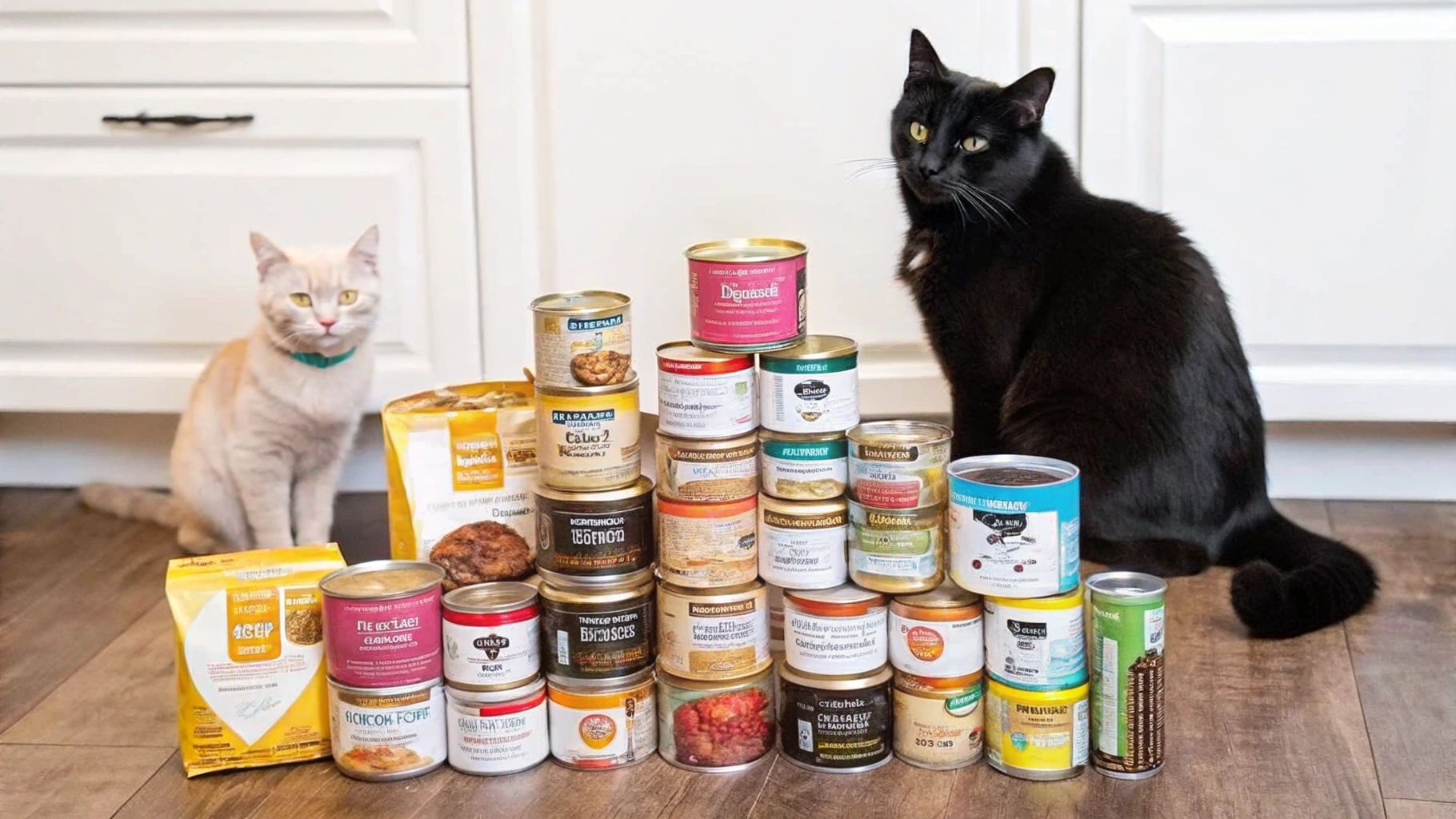
Wet cat food for sensitive stomach issues is harder to choose than it looks. The wrong formula means vomiting, diarrhea, and a cat who starts avoiding the bowl. I have four cats and one of them has had a sensitive stomach since she was a kitten, so I’ve worked through a lot of cans.
Below are ten formulas worth considering, what I based the picks on, the ingredients to avoid, and how to switch without making things worse.
Some links below are affiliate links — if you buy through them I may earn a small commission at no extra cost to you. These are my own picks, not paid placements, and nothing here is vet-reviewed. For a cat with a diagnosed condition, your vet’s recommendation beats any article, including this one.
Look for a named meat as the first ingredient, no corn, soy or wheat, and no artificial preservatives (BHA, BHT, ethoxyquin). My pick for a confirmed digestive problem is a vet-formulated digestive-care diet; for a natural option, Weruva; on a budget, Purina Pro Plan Sensitive. Transition over 7–10 days minimum.
Why Cats Get Sensitive Stomachs — and Why Wet Food Helps
A cat with digestive sensitivity isn’t being fussy. Their system is reacting to something — a protein they don’t tolerate, a filler they can’t process, or an additive that irritates the gut lining.
Wet cat food for sensitive stomach cats works better than dry, for a few reasons. It carries far more moisture, which is how cats are built to hydrate. It’s generally easier to digest than kibble. And the ingredient list is usually shorter and clearer, which matters enormously when you’re trying to identify a trigger. If your cat is refusing food altogether, that’s a different problem: My Cat Won’t Eat.
One thing worth knowing before you shop: true grain allergies in cats are uncommon. Most feline food reactions are to proteins — beef, fish, chicken, dairy. If a grain-free food helped your cat, the changed protein source may be the real reason, which is why the protein on the label matters more than the “grain-free” badge.
How I Chose These Sensitive-Stomach Formulas
I’ve fed three of these to my own cats over the years. The rest I’ve selected on the same criteria I use when I’m standing in the aisle:
- A named animal protein first — chicken, turkey, salmon, not a by-product and not a grain
- A short ingredient list — fewer ingredients means fewer suspects when something goes wrong
- A stable formula — brands that quietly reformulate make it impossible to know what’s working
- No corn, soy, wheat, or artificial preservatives
- Availability — a food that works is useless if you can’t reliably buy it
Two notes on the list. Prices move constantly, so treat the ranges as rough. And a few of these are therapeutic diets that need a prescription or vet authorisation — they’re marked.
Wet Cat Food for Sensitive Stomach: 10 Picks Worth Considering
| Pick | Best For | Price Range |
|---|---|---|
| Royal Canin Digestive Care | Diagnosed digestive issues (Rx) | $30–45 / 24 cans |
| Weruva Grain-Free | Natural / premium | $35–50 / 12-pack |
| Purina Pro Plan Sensitive | Budget-conscious | $15–20 / 24 cans |
| Hill’s Science Diet Sensitive | Post-illness recovery | $25–35 / 24 cans |
| Wellness CORE Grain-Free | Grain-sensitive cats | $28–40 / 24 cans |
| Applaws Natural | Shortest ingredient list | $30–45 / 24 cans |
| Blue Buffalo Sensitive | Real-meat mid-range option | $25–35 / 24 cans |
| Instinct Limited Ingredient | Elimination diets | $30–45 / 24 cans |
| Tiki Cat Grain-Free | Premium grain-free | $35–48 / 12-pack |
| Fancy Feast Classic Pâté | Picky eaters | $24–32 / 30-pack |
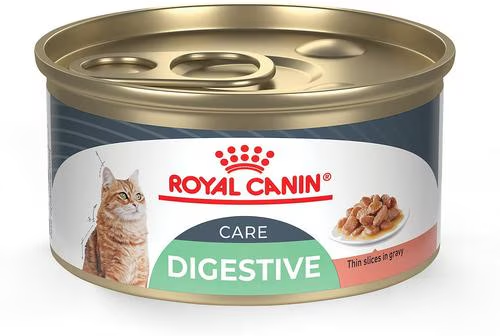
Built around highly digestible proteins, a specific fibre blend, and prebiotics. This is the one that finally settled my own cat after years of on-and-off vomiting. It’s a therapeutic diet, so you’ll need your vet’s sign-off — which is appropriate, because if your cat needs this, they need the diagnosis that comes with it.
- Formulated specifically for digestive support
- Prebiotics for gut bacteria
- Stable formula, rarely reformulated
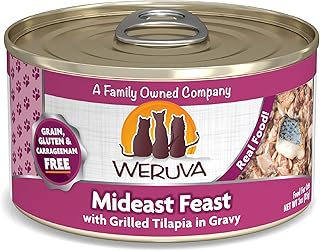
Named fish and meat sources, no grains, no artificial preservatives, and one of the shortest ingredient lists among premium brands. Very high moisture content. The trade-off is price and the shreddy texture, which some cats reject outright.
- Named meat sources only
- Very high moisture
- Clean, short label
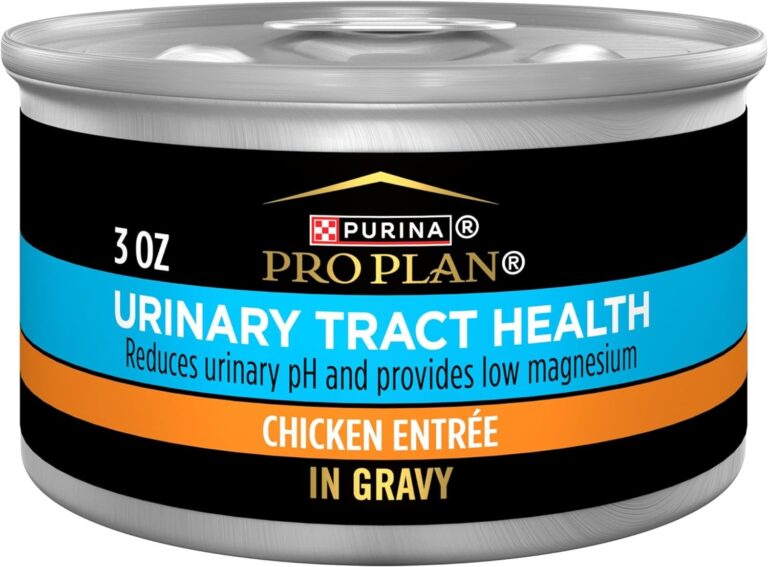
Real meat first, widely stocked, and about half the price of the premium options. This is what I’d suggest when cost is a genuine constraint, because a food you can afford to feed consistently beats a better food you ration.
- Real meat first ingredient
- Easy to find almost anywhere
- Best price-to-quality ratio here
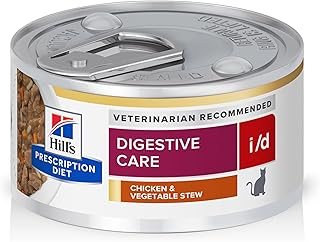
Gentle, consistent, and easy to get. Useful in the stretch after illness or surgery when the gut needs undemanding food. Note this is the over-the-counter Science Diet line — Hill’s also makes prescription digestive diets (i/d), which are a different product and need a vet.
- Gentle, easily digestible formulation
- Consistent from batch to batch
- No prescription needed for this line
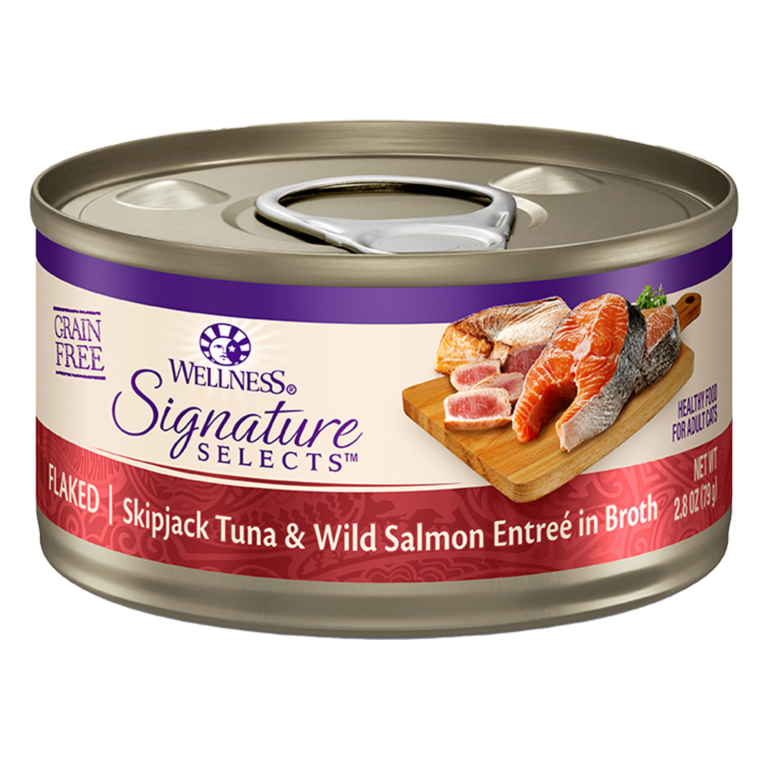
No corn, wheat or soy, high protein, no artificial preservatives. Worth trying if your cat’s reactions seem tied to grain-containing foods — though as noted above, the protein change may be doing the real work.
- No corn, wheat or soy
- High animal protein content
- No artificial preservatives
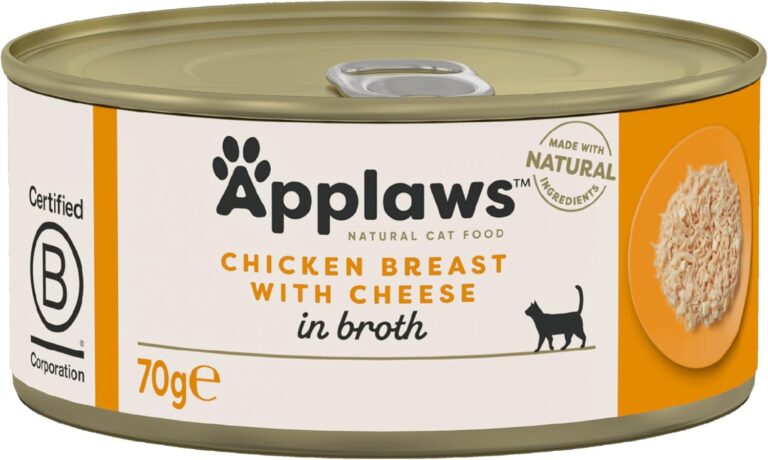
Often just meat, broth, and rice — sometimes fewer than five ingredients. That simplicity is the appeal for a cat you’re trying to diagnose by elimination. Important caveat: most Applaws cans are a complementary food, not complete and balanced, so they’re a topper or part of a rotation rather than a sole diet unless the label says complete.
- Extremely short ingredient lists
- Named single proteins
- Good for narrowing down a trigger
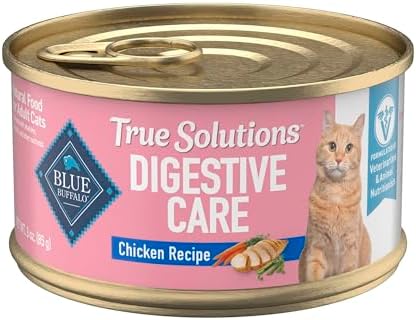
Real chicken rather than by-products, no artificial flavours or preservatives, and easy to find. A reasonable middle option between budget and premium.
- Real chicken, no by-products
- No artificial flavours or preservatives
- Widely available
One protein, one vegetable, nothing else of consequence. When you’re systematically working out which protein your cat reacts to, a limited-ingredient line with several single-protein options (rabbit, duck, turkey) is the practical way to do it. Run each protein for several weeks before judging.
- Single named protein per formula
- Several proteins available for rotation testing
- No grains, eggs, dairy or artificial additives
Whole named proteins in broth, very high moisture, no fillers. Some Tiki Cat lines are complementary rather than complete, so check that specific formula’s label before making it the only thing your cat eats.
- Whole named proteins
- Very high moisture content
- No grains or artificial additives
Not the cleanest label here, but the smooth pâté texture is easy on an irritated stomach and the palatability is hard to beat. When a sensitive-stomach cat is also refusing to eat, getting calories in matters more than getting the perfect ingredient list — this is often what gets them started again.
- Highly palatable
- Smooth texture, easy to digest
- Cheap and available everywhere
Ingredients to Avoid
- Corn, corn meal, corn flour — cheap fillers, common irritants
- Soy — difficult for many cats to digest
- Wheat, barley, rye — grain fillers some cats don’t process well
- Unnamed by-products — “meat by-product” tells you nothing about the source
- Artificial preservatives (BHA, BHT, ethoxyquin)
- Artificial colours and flavours — no nutritional purpose
Whatever you buy, the first ingredient should be a named meat — chicken, turkey, salmon, tuna — not a by-product, not a grain, not a filler.
How to Transition Without Causing More Upset
The most common mistake is switching too fast. Even the right food causes vomiting if it arrives all at once.
| Days | Old Food | New Food |
|---|---|---|
| Days 1–2 | 75% | 25% |
| Days 3–4 | 50% | 50% |
| Days 5–6 | 25% | 75% |
| Days 7–10 | 0% | 100% |
If vomiting or loose stool appears at any stage, drop back a step and slow down. Two to three weeks is fine. With a sensitive cat, slow always beats fast.
How Much to Feed
Overfeeding makes digestive problems worse, and smaller, more frequent meals are easier on an irritated gut than one large serving. As a starting point, an average 10-pound adult cat needs somewhere around 200–250 calories a day, adjusted for age, activity and body condition — split across two or three meals.
For the full calculation and a weight chart: How Much Wet Food to Feed a Cat.
Storage and Food Safety
- Opened cans — refrigerate immediately, use within 24–48 hours
- Unopened cans — cool, dry place; check the date on the can
- Never leave out more than 2 hours — 1 hour in hot weather
- Freezing — portion into ice cube trays, up to 3 months
- Thawed food — fridge only, use within 24 hours
- Discard if — sour smell, discolouration, or mould
More detail: How Long Can Wet Cat Food Sit Out.
Frequently Asked Questions
Usually, yes. Higher moisture, easier digestion, and a clearer ingredient list. That said, the specific formula matters more than wet versus dry — a poor wet food will upset a sensitive cat just as reliably as kibble.
Most cats improve within 3–7 days on a food that suits them, with full settling over 2–4 weeks. If there’s no change after three weeks on a properly transitioned food, that’s a vet conversation rather than another brand switch.
Yes, but weight it toward wet, especially at first. A 70/30 split works for many cats. Count both toward the daily calorie total — feeding full portions of each is the most common way cats end up overweight.
Warm it slightly to lift the aroma, mix it more gradually, or try a different texture — pâté, shreds and gravy formulas are genuinely different experiences to a cat. If it’s still refused after two weeks, try another formula rather than forcing it. More: How to Get a Cat to Eat Wet Food.
This one genuinely needs your vet rather than a shelf pick. Kidney diets and sensitive-stomach needs can pull in opposite directions, and the right balance depends on your cat’s bloodwork. Don’t substitute a urinary formula for a kidney formula — they address different problems and aren’t interchangeable.
The Bottom Line
The best wet food for your cat is the one that removes whatever their trigger is, leads with a named meat, and doesn’t change formula every six months. Any of the ten above can be that food for the right cat — which one depends on what your cat is actually reacting to.
Transition slowly, give it a month, and watch the cat rather than the label. Coat, energy, stool quality and appetite will tell you more than any ingredient list.