Table of Contents
Here’s what breaks my heart: diabetes in cats is incredibly common, affecting roughly one in every 100 to 200 felines. Yet most pet parents don’t recognize the early warning signs until their cat is seriously ill. I’ve watched too many families blame themselves, saying “I should have noticed sooner” when their previously healthy cat is suddenly fighting for their life in an ICU.
You don’t have to be one of those families. Today, I’m sharing the seven critical signs of diabetes in cats that every cat owner needs to know—signs that could literally save your cat’s life if you catch them early enough.
What Exactly Is Diabetes in Cats?
Before we dive into the symptoms of diabetes in cats, let me break down what’s actually happening inside your cat’s body when they develop this condition. And I promise to skip the medical textbook jargon.
Think of insulin as a key that unlocks your cat’s cells so glucose (sugar) can get inside and fuel their body. When a cat has diabetes, one of two things goes wrong: either their pancreas stops making enough of these “keys” (Type I diabetes), or the locks on the cells get jammed and the keys don’t work anymore (Type II diabetes).
Most cats—about 80-95%—develop Type II diabetes, which means their body is making insulin but can’t use it effectively. This is especially common in overweight cats, male cats, and those over seven years old. The result? Sugar piles up in the bloodstream with nowhere to go, while the cells are literally starving for energy even though there’s plenty of fuel floating around.
Your cat’s body tries desperately to fix this problem, which is where those telltale signs of cat diabetes come from. Every symptom you’ll notice is your cat’s system attempting (and failing) to deal with all that excess sugar. According to the American Veterinary Medical Association, understanding how diabetes works is the first step in recognizing the warning signs.
Sign #1: The Never-Ending Water Bowl Refills
Picture this: You fill your cat’s water bowl in the morning. By lunchtime, it’s empty. You fill it again. By dinner, empty again. You start wondering if your water bowl has a leak or if your cat has somehow learned to swim laps in it.
What’s really happening is something called osmotic diuresis—but here’s what that actually means for your cat. When sugar levels in the blood get sky-high, the kidneys go into overdrive trying to flush it out through urine. But sugar doesn’t travel alone—it drags massive amounts of water with it. Your cat’s body recognizes all this water loss and screams “THIRSTY!” which is why they’re suddenly treating their water bowl like an all-you-can-drink buffet.
I once had a client who joked that her cat Whiskers had started “training for a marathon” because he was at the water fountain so often. Turns out, Whiskers was diabetic and his body was desperately trying to stay hydrated.
How to Spot It at Home
Pay attention to how often you’re refilling that water bowl. If you’re filling it two or three times more often than usual, that’s a red flag. Some cats will even start drinking from unusual places—toilets, sinks, bathtubs, or even puddles if they’re indoor-outdoor cats. The Cornell Feline Health Center notes that increased water consumption is one of the earliest detectable signs of feline diabetes.
Sign #2: Litter Box Overload (And Accidents)
This sign goes hand-in-hand with the excessive drinking. All that water has to go somewhere, right?
Cat parents often tell me they thought their cat had suddenly developed a urinary tract infection because of the frequent litter box trips and accidents. But with diabetes in cats symptoms, you’re looking at something different. The urine volume is huge—we’re talking giant clumps in the litter that look like miniature icebergs—and it happens constantly throughout the day and night.
Many diabetic cats also start having accidents outside the litter box, but not because they’re being naughty or have bladder control issues. They simply can’t make it to the box in time when the urge hits, especially at night. The urgency is real and immediate.
Image 1 Prompt:
“Veterinarian in white coat gently testing a tabby cat’s blood glucose with a small glucometer on an exam table, modern veterinary clinic setting, caring and professional atmosphere, bright clinical lighting, reassuring scene”
How to Spot It at Home
Track how often you’re scooping the litter box. Are you suddenly scooping twice or three times as much? Are the urine clumps abnormally large? Have you found wet spots on the bed, couch, or carpet? These patterns, especially combined with increased drinking, are major signs of diabetes in cats. If you’re concerned about urinary issues, the International Cat Care resource center can help you distinguish between diabetes and other urinary conditions.
Sign #3: The Bottomless Stomach Mystery
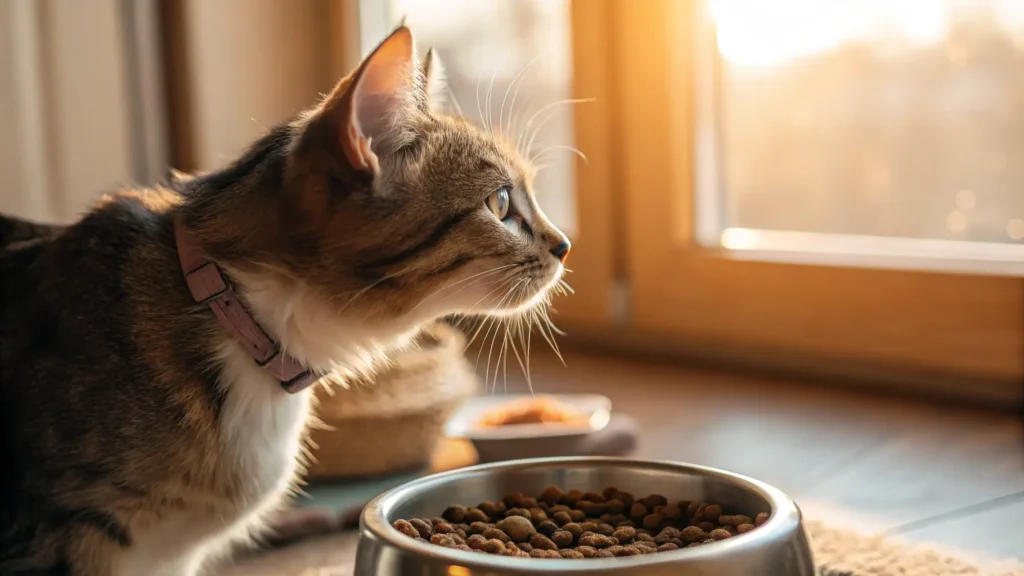
Here’s where diabetes gets really confusing for cat owners. Your cat is eating like they’ve never seen food before—finishing their meals in record time, begging for more, maybe even trying to steal food from your plate or raid the pantry. You’d think with all that eating, they’d be gaining weight.
Instead, they’re getting thinner.
I’ll never forget Oliver, a gorgeous Maine Coon who came in looking like a shadow of his former fluffy self. His owner was baffled: “Doctor, he’s eating double his normal amount. Where’s it all going?”
Here’s the heartbreaking reality: even though Oliver was eating constantly, his cells couldn’t access any of that energy because insulin wasn’t doing its job. His body thought it was starving, so it started breaking down fat and muscle tissue for fuel. The more he ate, the hungrier he got, and the more weight he lost. It’s a vicious cycle that screams diabetes.
How to Spot It at Home
Notice if your cat has become food-obsessed. Are they suddenly acting like they’re starving? Begging more than usual? Counter-surfing? At the same time, run your hands along their spine and ribs. If you’re feeling more bone than you used to, despite the increased appetite, that’s a serious diabetic cat sign that needs immediate attention. The Cornell Veterinary Experts emphasize that unexplained weight loss in cats always warrants veterinary evaluation.
Sign #4: The Energy Drain
Cats are masters of the “I’m too dignified to show I’m sick” game, but even they can’t hide when diabetes starts sapping their energy.
A healthy cat has bursts of playful energy throughout the day. They chase toys, zoom around at 2 AM (we’ve all been there), and get excited about laser pointers or catnip mice. But cats with diabetes gradually lose interest in these activities. They sleep more, play less, and just seem… tired.
My client Lisa described it perfectly when talking about her cat Smokey: “It’s like someone dimmed his light switch. He used to greet me at the door, but now he barely lifts his head when I come home.”
This happens because, remember, glucose isn’t getting into the cells. Without fuel, your cat’s body simply can’t produce the energy needed for their normal spunky personality. They’re running on empty, even though there’s plenty of gas in the tank—it just can’t reach the engine.
How to Spot It at Home
Think about your cat’s normal energy levels. Are they sleeping more than usual? Have they stopped greeting you at the door? Is the toy that used to send them into a frenzy now ignored on the floor? Document these changes. Gradual energy decline can be easy to miss day-to-day, but when you step back and think about your cat’s behavior a month ago versus now, the difference can be stark.
Image 2 Prompt:
“Overweight orange cat being weighed on a veterinary scale while a caring vet in scrubs takes notes, modern animal hospital, soft lighting, professional medical setting, focus on health monitoring”
Sign #5: The Scruffy, Dull Coat
One of the more subtle signs of cat diabetes is changes to their appearance, particularly their coat quality.
Cats are meticulous groomers. They spend hours each day keeping themselves pristine. But diabetic cats often develop coats that look dull, greasy, or unkempt. You might notice matting, especially on their back near the tail—an area they’d normally keep spotless.
This happens for a couple of reasons. First, diabetic cats often feel generally unwell, and grooming falls way down on their priority list when they’re uncomfortable. Second, many diabetic cats are overweight, which makes it physically difficult to reach certain areas of their body for cleaning.
I remember Tiger, a beautiful Persian whose owner brought him in concerned about his “suddenly ratty appearance.” His luxurious coat had developed mats, looked greasy, and had lost its signature shine. When we diagnosed him with diabetes and got it under control, his grooming behavior returned and so did that gorgeous coat.
How to Spot It at Home
Take a good look at your cat’s coat. Is it as shiny as it used to be? Are there areas that look greasy or feel different? Have you noticed dandruff or matting that wasn’t there before? While coat changes alone don’t mean diabetes, combined with other symptoms on this list, they’re definitely worth investigating. Maintaining your cat’s grooming routine is important—learn more about proper cat grooming techniques from International Cat Care.
Sign #6: Behavior Changes You Can’t Ignore
Cats are creatures of habit, so when their personality suddenly shifts, something’s wrong. Diabetes doesn’t just affect your cat physically—it impacts their mood and behavior too.
Some diabetic cats become withdrawn and antisocial. Your once-affectionate lap cat suddenly doesn’t want to be touched. Others become irritable or even aggressive, especially cats who were previously sweet-tempered. It’s not that they’ve turned mean—they just don’t feel good, and they’re reacting to discomfort the only way they know how.
I treated a cat named Princess (yes, really) who went from being the sweetest, most tolerant cat to hissing at her favorite human. Her owner was devastated, thinking Princess suddenly hated her. Once we got Princess’s diabetes under control, that loving personality came right back. She wasn’t being malicious—she was just miserable and didn’t know how to tell us.
How to Spot It at Home
Has your cat’s personality changed? Are they hiding more than usual? Showing aggression that’s out of character? Seeming depressed or anxious? Don’t dismiss these changes as “just getting older” or “being in a mood.” Behavioral changes, especially when combined with physical symptoms, deserve a vet visit. The ASPCA provides helpful resources on distinguishing between behavioral issues and medical problems in cats.
Sign #7: The Walking-Weird Warning Sign
This is one of the more dramatic diabetic cat signs, and thankfully, it usually only appears in cats with uncontrolled diabetes. But it’s critical to recognize because it indicates nerve damage is occurring.
In veterinary terms, this is called “plantigrade stance,” but here’s what it actually looks like: instead of walking on their toes like cats normally do (yes, your cat is always on their tippy-toes), they start walking flat-footed with their hocks (ankle joints) touching or nearly touching the ground. It looks like they’re crouching or walking oddly, almost rabbit-like.
This happens when prolonged high blood sugar damages the nerves in the hind legs. The good news? It’s usually not painful, and it often resolves once diabetes is properly managed. But if you’re seeing this sign, your cat needs veterinary care immediately—their diabetes has progressed to a serious stage.
How to Spot It at Home
Watch how your cat walks. Are their back legs positioned differently? Do they seem to be walking on their ankles instead of their paws? This is a more advanced symptom, and if you’re seeing it, please don’t wait—get to your vet or an emergency clinic right away.
The Emergency Signs: When Diabetes Becomes Critical
Sometimes, diabetes in cats symptoms escalate quickly into a medical emergency. If you see any of these signs, get to a veterinarian immediately—this is a “drop everything and go” situation:
- Vomiting repeatedly
- Refusing to eat or drink
- Extreme lethargy or inability to stand
- Seizures or tremors
- Difficulty breathing
- Collapsing or unconsciousness
- Sweet smell to their breath (like fruity or acetone)
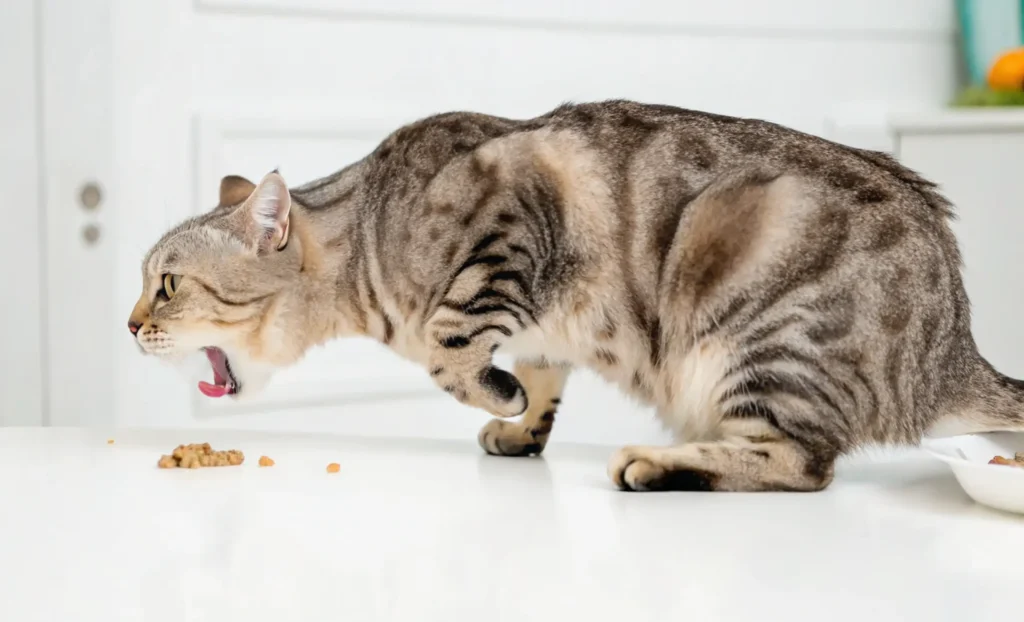
If your diabetic cat is vomiting, it’s especially critical to seek immediate care. While occasional cat vomiting can have many causes, repeated vomiting in a diabetic cat may indicate dangerous ketoacidosis. Learn more about why cats throw up and when to worry.
These symptoms can indicate diabetic ketoacidosis (DKA), a life-threatening complication where the body starts breaking down fat so rapidly that toxic ketones accumulate in the blood. DKA is fatal without immediate intensive care. The Cornell University College of Veterinary Medicine provides excellent resources on recognizing and responding to diabetes emergencies in cats.
If you’re unsure whether your cat’s symptoms constitute an emergency, the Pet Poison Helpline offers 24/7 veterinary advice at (855) 764-7661.
What Happens at the Vet?
If you’ve noticed several of these diabetic cat signs, I know that trip to the vet feels overwhelming. Let me walk you through what to expect so you feel prepared and empowered.
Your veterinarian will start with a thorough physical exam and ask detailed questions about the symptoms you’ve noticed. Be specific: When did the excessive drinking start? How much weight has your cat lost? Any accidents outside the litter box?
Next comes blood work and a urinalysis. Your vet is looking for elevated glucose levels in both the blood and urine. Because some cats can develop temporary high blood sugar from stress (especially at the vet’s office—ironic, right?), your vet might also run a test called a fructosamine level, which shows average blood sugar over the past two weeks.
If diabetes is confirmed, don’t panic. While it’s a serious diagnosis, cat diabetes symptoms are very manageable with proper care. Your vet will discuss treatment options, which typically involve insulin injections, dietary changes, and regular monitoring.
Image 3 Prompt:
“Happy, healthy-looking cat playing with a feather toy in a bright living room, energetic and playful expression, recovered from illness, warm natural lighting, lifestyle pet photography”
Living with a Diabetic Cat: There’s Hope
I know the diagnosis can feel overwhelming at first. The idea of giving your cat insulin injections might seem impossible. But I’ve watched countless pet parents master this routine, and their cats go on to live long, happy lives.
Many cats even achieve diabetic remission with early diagnosis and aggressive treatment. This means their diabetes essentially goes into a dormant state, and they no longer need insulin. The key is catching it early—which is exactly why recognizing these symptoms of diabetes in cats is so critical.
Treatment usually involves:
- Insulin injections: Usually twice daily, using tiny needles that most cats barely notice
- Dietary changes: High-protein, low-carbohydrate foods help regulate blood sugar. Your vet may recommend special diabetic cat food formulated specifically for glucose control
- Regular monitoring: At-home glucose checks or periodic vet visits
- Weight management: If your cat is overweight, gradual weight loss improves diabetes control
The American Veterinary Medical Association offers comprehensive guides for managing pet diabetes at home, including instructional videos on giving insulin injections. You can also find helpful information about caring for pets with diabetes from the FDA’s Center for Veterinary Medicine.
Prevention: Can You Reduce Your Cat’s Risk?
While some cats develop diabetes regardless of lifestyle, you can significantly reduce the risk by focusing on these prevention strategies:
Maintain a healthy weight: Obesity is the single biggest risk factor for diabetes in cats. Keep your cat at an ideal body condition—you should be able to feel their ribs easily without seeing them. The ASPCA’s cat nutrition guidelines can help you understand proper feeding portions.
Feed high-quality food: Cats are obligate carnivores. They thrive on high-protein, low-carbohydrate diets. Dry food tends to be higher in carbs, so consider incorporating more wet food into their diet.
Keep them active: Play with your cat daily. Even 10-15 minutes of interactive play with a feather wand or laser pointer helps maintain muscle mass and healthy weight.
Regular vet checkups: Annual wellness exams (twice yearly for senior cats over 7) can catch early signs of diabetes before symptoms appear. International Cat Care recommends bloodwork as part of routine senior cat checkups.
Monitor stress: Chronic stress and certain medications (especially steroids) can increase diabetes risk. Work with your vet to manage any underlying health conditions appropriately.
A Final Word: Trust Your Instincts
You know your cat better than anyone. If something feels off—if their behavior has changed, if they seem different somehow—trust that instinct. Don’t wait until your cat is in crisis to seek help.
Early detection of diabetic cat signs quite literally saves lives.
Your cat is counting on you to be their voice and their advocate. By recognizing these seven critical signs—the excessive thirst, the litter box overload, the mysterious weight loss despite ravenous appetite, the energy drain, the scruffy coat, the personality changes, and that telltale funny walk—you’re giving your cat the gift of early intervention and the best possible chance at a long, healthy life.
Don’t wait until it’s too late. If you’ve noticed even two or three of these diabetic cat signs, pick up the phone and call your veterinarian today. It might just be the call that saves your cat’s life.
Frequently Asked Questions
Can indoor cats get diabetes, or is it only outdoor cats?
Absolutely yes—indoor cats can definitely develop diabetes, and they’re actually more prone to it if they’re sedentary and overweight. Indoor cats who don’t get enough exercise and eat dry food high in carbohydrates are at particularly high risk. The good news is that as an indoor cat owner, you have complete control over their diet and can ensure they get regular play and exercise. I’ve seen far more diabetes cases in indoor cats than outdoor ones, largely because indoor cats tend to be less active and more likely to become overweight.
How quickly do diabetic cat signs develop? Can diabetes appear suddenly?
Diabetes typically develops gradually over weeks to months, but many owners don’t notice the signs until they become more obvious. What seems “sudden” to us has often been brewing for a while—we just weren’t paying attention to the subtle changes. That said, once the signs become noticeable, they can progress rapidly if left untreated. This is why early detection is so crucial. Some cats do develop diabetes more quickly, especially if triggered by medications like steroids or following a bout of pancreatitis.
Are certain cat breeds more likely to develop diabetes?
Yes, some breeds appear to have higher rates of diabetes. Burmese cats have been shown to have a significantly higher risk in some countries, though this pattern may vary by region. Other breeds with potentially elevated risk include Russian Blues and Norwegian Forest Cats. However, mixed-breed cats are also commonly affected, and obesity is a much bigger risk factor than breed alone. If you have a predisposed breed, maintaining a healthy weight becomes even more critical.
Is diabetes in cats a death sentence, or can they live normal lives?
Not at all! With proper management, diabetic cats can live long, healthy, happy lives. I have patients who’ve been successfully managing diabetes for 5, 6, even 8+ years. Many owners become incredibly adept at giving insulin injections (they’re much easier than you’d think), and cats typically tolerate treatment very well. Some cats even achieve remission, where their diabetes goes dormant and they no longer need insulin. The key is early diagnosis, committed management, and working closely with your veterinarian. Don’t lose hope—this is a very manageable condition.
Can I test my cat’s blood sugar at home, or do I always need to go to the vet?
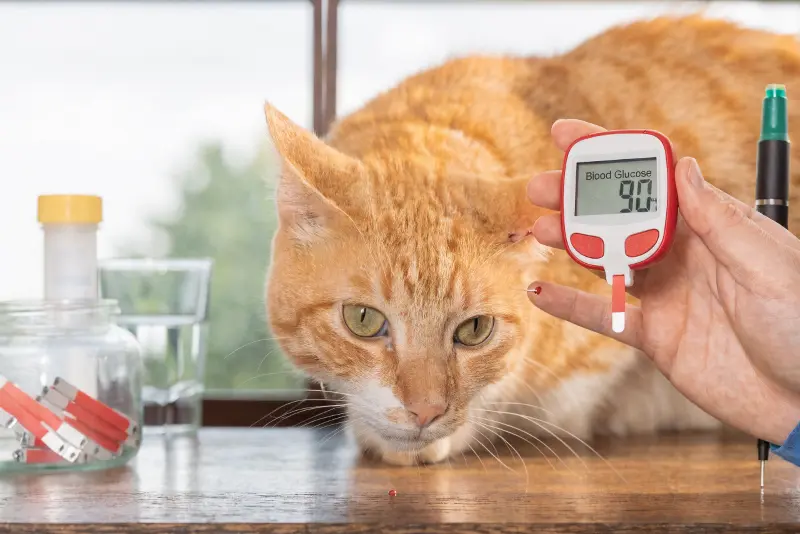
Yes, you can test at home, and many veterinarians actually encourage it! Home monitoring helps you track your cat’s glucose levels throughout the day and can provide more accurate results than occasional vet visits (since many cats get stressed at the clinic, which can artificially raise blood sugar). You’ll need a pet-specific glucometer like AlphaTRAK and some training from your vet on the ear-prick technique. Not all cats tolerate home testing, but many do quite well with it. Your vet can show you the technique and decide if home monitoring is right for you and your cat.
What’s the difference between diabetes in cats and diabetes in dogs? Are the signs the same?
While both conditions involve problems with insulin and blood sugar regulation, there are important differences. Cats almost always develop Type II diabetes (insulin-resistant), while dogs more commonly get Type I (insulin-deficient). The basic signs—excessive thirst, urination, weight loss, and increased appetite—are similar in both species. However, cats are more likely to achieve remission than dogs, and they tend to be more sensitive to insulin doses. Cats also develop that characteristic plantigrade stance (walking on their ankles) more often than dogs. If you have both cats and dogs, it’s worth knowing that diabetes risk factors and management strategies can differ between species, so always work with your vet on species-specific care.
My cat is overweight. Does that mean they’ll definitely get diabetes?
Not necessarily, but it does significantly increase the risk. Obese cats are up to four times more likely to develop diabetes than cats at a healthy weight. However, not every overweight cat becomes diabetic, and some lean cats do develop the condition. Think of obesity as a major risk factor, not a guarantee. The good news? Weight loss—done slowly and safely under veterinary supervision—can dramatically reduce your cat’s diabetes risk and may even help a diabetic cat achieve remission. If your cat is overweight, work with your vet on a gradual weight loss plan. Crash diets are dangerous for cats and can cause serious liver problems, so never just cut their food drastically without veterinary guidance.