My Dog Has Diarrhea But Is Acting Fine: What To Do
My dog has diarrhea but is acting fine, and if you are searching this phrase right now, I know exactly the confused feeling you have — your dog is wagging their tail, eating normally, and acting completely happy, yet something is clearly wrong. I have been in this exact situation multiple times managing one dog and four cats in a New York City apartment, and I have learned what actually matters and what does not.
This guide covers every cause I have encountered, what our vet recommended each time, and the step-by-step home care that actually worked. I also answer the question every dog owner asks next: what can I give my dog for diarrhea that is safe and effective?
My dog has diarrhea but is acting fine — meaning they are alert, eating, drinking, and playful — and this is usually not an emergency. Mild diarrhea often resolves within 24 to 48 hours with fasting and a bland diet. However if diarrhea persists beyond two days, contains blood, or your dog shows any other symptoms, contact your vet right away.
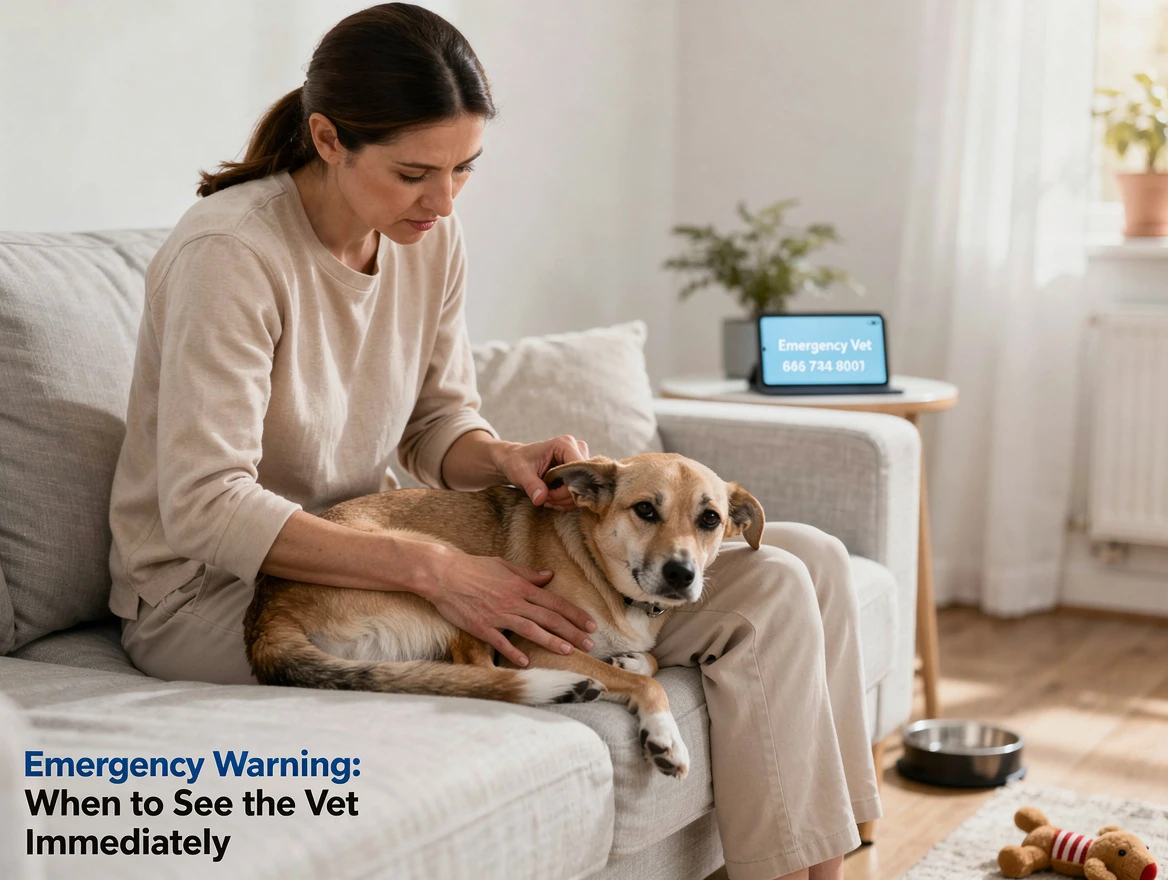
⚠️ When to See a Vet Immediately
My dog has diarrhea but is acting fine most of the time, but there are specific warning signs that mean home care is not enough. Even when your dog seems happy and energetic, diarrhea can quickly lead to dehydration or signal something more serious underneath.
- Lethargy or weakness alongside the diarrhea
- Vomiting that keeps repeating and won’t stop
- Signs of dehydration — skin that won’t spring back or sunken eyes
- Blood or black tarry stools — this is always a red flag
- Fever or obvious belly pain when you touch the abdomen
- Diarrhea lasting beyond 48 hours with no improvement
- Puppies, senior dogs, or dogs with existing health conditions — these need faster vet attention
At a Glance: Diarrhea in Dogs Acting Fine
| Aspect | What to Know |
|---|---|
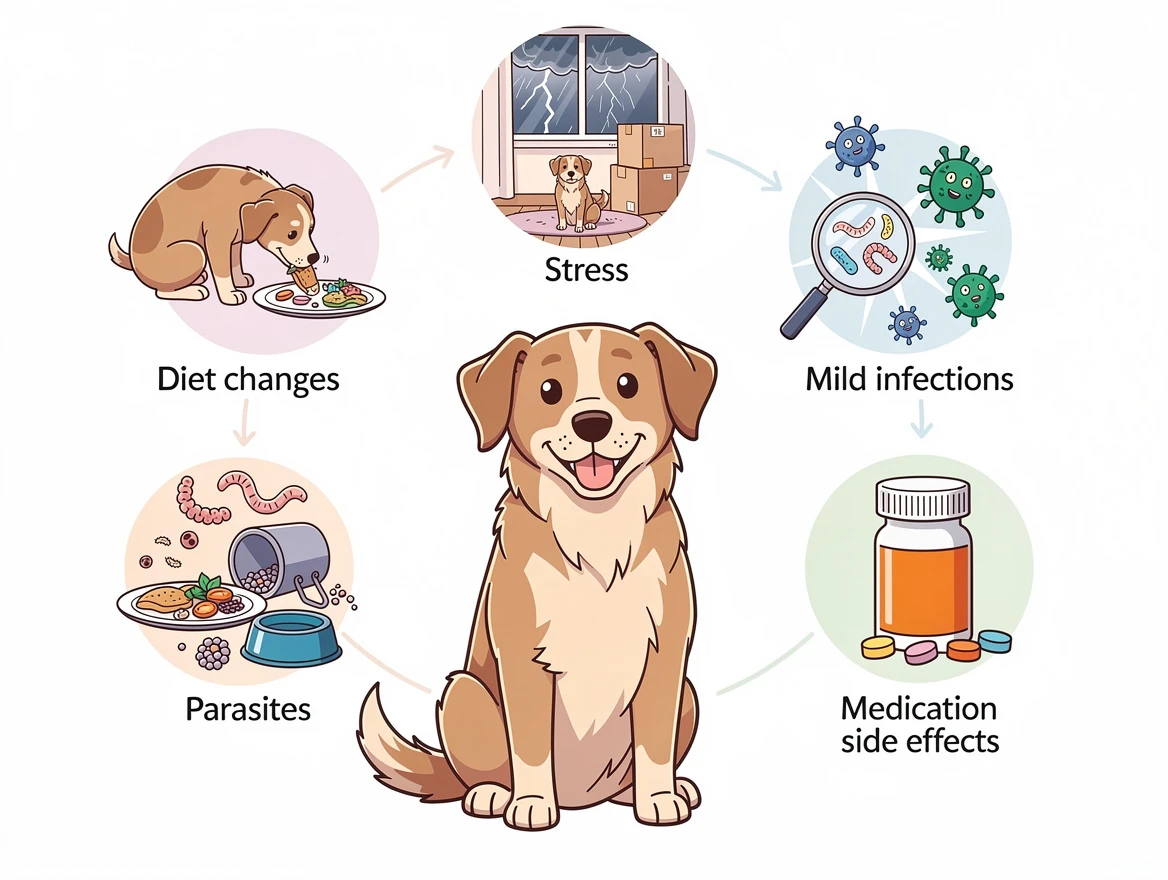
| Common Causes | Diet changes, mild infections, stress, parasites, medication side effects |
| Typical Duration | 1 to 2 days without complications |
| When to Worry | Blood in stool, vomiting, lethargy, lasting more than 2 days |
| Initial Home Care | Fasting 12 to 24 hours, hydration, bland diet |
| Vet Treatment May Include | Dewormers, antibiotics, IV fluids, and diagnostics |
| Prevention | Gradual diet changes, regular parasite control, clean water always |
What Causes Diarrhea When Your Dog Is Acting Fine?
When my dog has diarrhea but is acting fine, the most confusing part is that they seem completely normal in every other way. Understanding why this happens is the first step to treating it correctly rather than panicking or ignoring it. Here are the most common causes I have encountered with my own pets:
Dietary Indiscretion
Dogs are natural scavengers and will eat almost anything they find — dropped park snacks, something from the trash, grass from the backyard. My dog has done all of these. A single dietary misstep usually causes a day or two of loose stools with no other symptoms. This is the most common reason my dog has diarrhea but is acting fine with no other signs of illness.
Stress or Anxiety
Moving homes, thunderstorms, new visitors, or changes in routine can all upset a dog’s digestive system. When my dog has diarrhea but is acting fine and I cannot find a food reason, stress is almost always the next culprit I check. The gut and the brain are closely connected in dogs just as they are in humans.
Mild Viral or Bacterial Infections
Some mild infections cause loose stools without making a dog feel genuinely unwell. These often resolve on their own within 48 hours with simple home care. However if your dog develops any additional symptoms, a vet visit becomes necessary to identify the specific cause.
Parasites
Microscopic parasites like Giardia can cause intermittent diarrhea with almost no other visible symptoms. Your dog may seem completely energetic and happy while carrying a parasite infection. This is why a stool test at your annual vet visit is always worth doing — parasites are easy to miss and easy to treat when caught early.
Medication Side Effects
Antibiotics, dewormers, and some supplements can disrupt gut bacteria and cause temporary loose stools. If your dog recently started a new medication and the diarrhea started around the same time, this is very likely the cause. Always mention new medications when calling your vet about digestive symptoms.
What Can I Give My Dog for Diarrhea? Home Care Guide
When my dog has diarrhea but is acting fine with no other concerning symptoms, these are the exact steps I follow at home before considering a vet visit. The question of what can I give my dog for diarrhea safely is one I have asked our vet multiple times — here is what they have consistently recommended:
Fast for 12 to 24 Hours
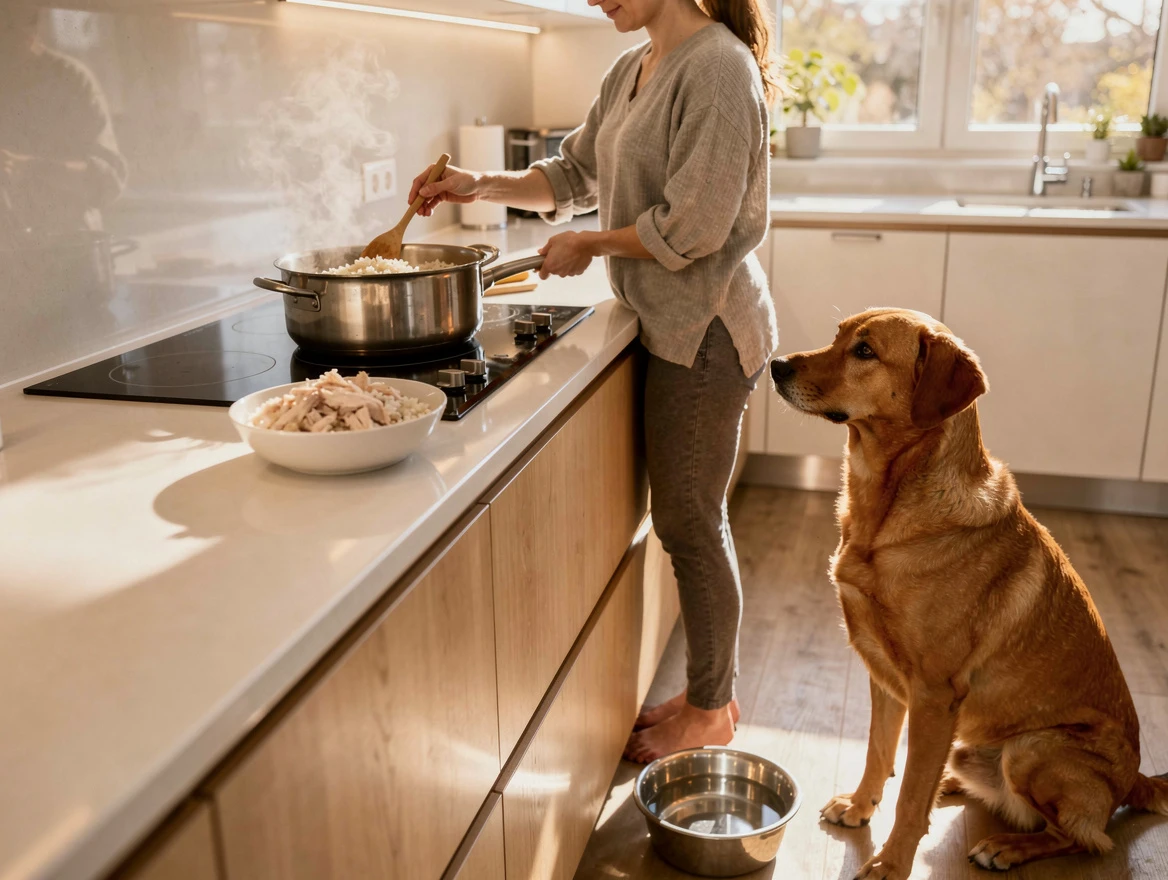
The first thing I do when my dog has diarrhea but is acting fine is withhold food for 12 to 24 hours. This gives the gut a chance to reset and clear whatever is irritating it. Water must always stay available — fasting from food only, never from water. Never fast puppies, senior dogs, or dogs with diabetes without calling your vet first.
Bland Diet — Boiled Chicken and Rice
After the fasting period, what can I give my dog for diarrhea that is gentle and effective? Plain boiled chicken breast and white rice in a 1 to 2 ratio is the classic vet-recommended combination. No seasoning, no butter, no additions. Feed small portions every few hours for 2 to 3 days before gradually reintroducing their normal food. This is the single most effective home step I have used repeatedly.
Keep Hydration Up
Diarrhea causes fluid loss fast. Make sure fresh water is always available and watch that your dog is actually drinking. If your dog seems reluctant to drink, a vet-approved electrolyte solution added to water can encourage better fluid intake. Ask your vet before adding anything to their water.
Consider a Probiotic
Dog-specific probiotics can help restore healthy gut bacteria faster after a bout of diarrhea. I keep one on hand in our apartment at all times with four cats and a dog — gut disruptions happen regularly. Always choose a probiotic formulated specifically for dogs rather than a human product.
Monitor Closely for 48 Hours
Watch for any new symptoms appearing — vomiting, lethargy, loss of appetite, or blood in the stool. If diarrhea has not improved by day two with home care, that is the point where a vet call becomes necessary regardless of how fine your dog appears to be acting.
When Should You Contact Your Vet?
Even when my dog has diarrhea but is acting fine, there are specific situations that cross the line from watchful waiting into needing professional help. Here is the clear dividing line I follow based on our vet’s advice:
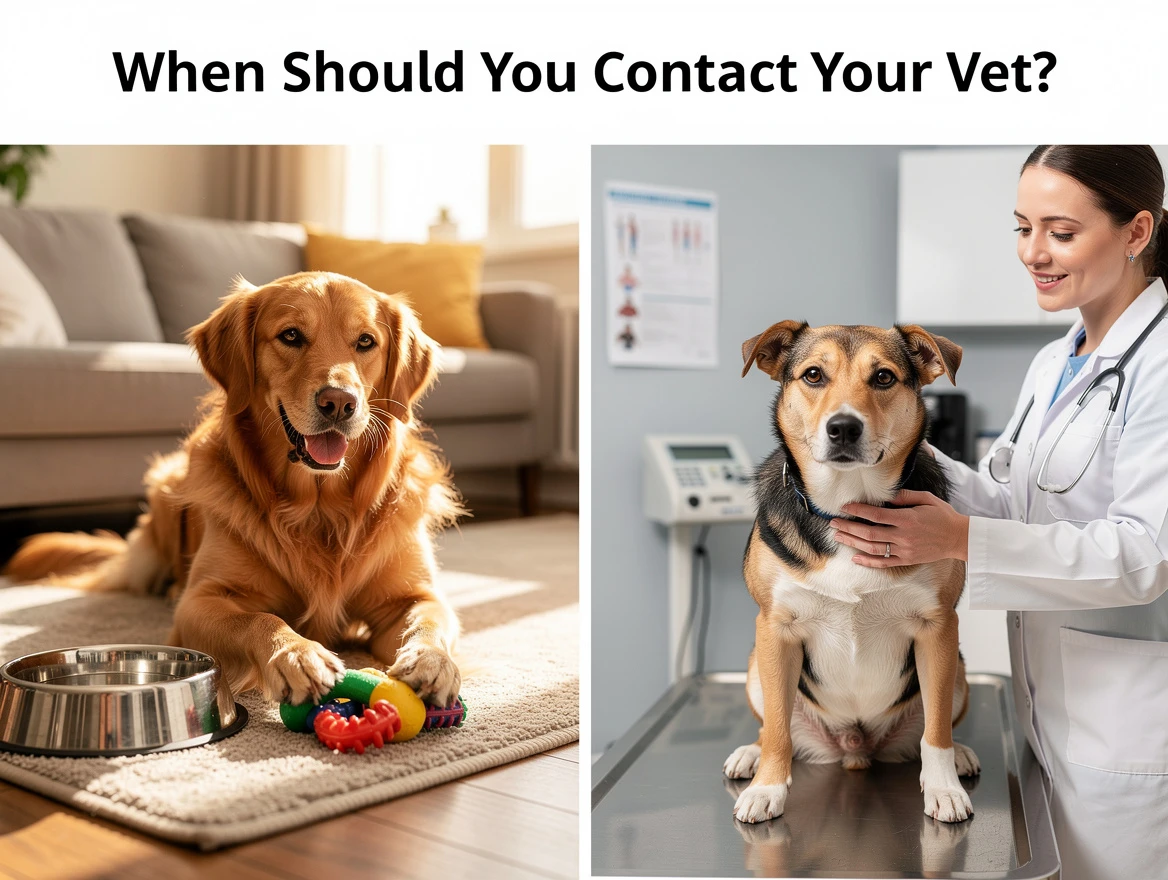
- Diarrhea does not improve after 48 hours of home care
- Your dog stops drinking water or shows signs of dehydration
- Blood or mucus appears in the stool
- Your dog becomes lethargic, loses their appetite, or seems in pain
- Your dog has a pre-existing condition like diabetes, kidney disease, or a weakened immune system
- Diarrhea keeps coming back every few weeks even if it clears up on its own
Recurring diarrhea that keeps resolving and returning is often a sign of an underlying parasite infection or food sensitivity that won’t go away without targeted treatment from your vet.
Common Mistakes Dog Owners Make With Diarrhea
I made several of these myself before learning the right approach — especially when my dog has diarrhea but is acting fine and I assumed that meant I could take a relaxed approach:
- ❌ Giving human medications — Pepto Bismol, Tylenol, and Imodium can all be harmful or toxic to dogs even in small doses
- ❌ Feeding rich or fatty food — thinking a treat will cheer them up actually makes diarrhea significantly worse
- ❌ Skipping water — dehydration sneaks in fast during diarrhea, especially in smaller dogs
- ❌ Waiting too long to call the vet — assuming acting fine means everything is fine can allow a treatable infection to worsen
- ❌ Skipping annual stool tests — parasites like Giardia cause no visible symptoms in many dogs and are only caught through testing
- ❌ Changing food suddenly after diarrhea — any food transition needs to happen gradually over 7 to 10 days or the diarrhea will return immediately
Home Care vs. Vet Treatment: Which Do You Need?
| Your Dog’s Situation | Home Care Enough? | Vet Visit Needed? |
|---|---|---|
| Loose stools, acting normal, no blood | ✅ Yes — fast then bland diet | Not urgently |
| Diarrhea lasting more than 48 hours | ❌ No longer sufficient | ✅ Yes, call your vet |
| Blood or mucus in stool | ❌ No | ✅ Yes, urgent |
| Vomiting alongside diarrhea | ❌ Not alone | ✅ Yes, call same day |
| Signs of dehydration | ❌ No | ✅ Yes, urgent |
| Recurring diarrhea every few weeks | ❌ Home care won’t fix the root cause | ✅ Yes — stool test needed |
Frequently Asked Questions
Yes — when my dog has diarrhea but is acting fine with normal energy, appetite, and drinking habits, it is usually a mild digestive upset that resolves within 48 hours on its own or with basic home care. The acting fine part is actually a reassuring sign that something serious is unlikely, as long as no other symptoms develop.
The safest answer to what can I give my dog for diarrhea at home is: plain boiled chicken and white rice after a 12 to 24 hour fast, always with fresh water available. Dog-specific probiotics can also help restore gut bacteria. Never give human medications like Imodium, Pepto Bismol, or Tylenol without explicit vet approval as these can be toxic to dogs.
Mild diarrhea from dietary indiscretion or stress typically resolves within 1 to 2 days with home care. If it is still present after 48 hours without any improvement, a vet visit is needed. Diarrhea caused by parasites or infection will not resolve without targeted treatment regardless of how long you wait.
Diarrhea caused by diet changes or stress is not contagious. However diarrhea caused by parasites like Giardia or by bacterial infections can spread between pets sharing the same space. If you have multiple pets — like I do with four cats and a dog — keep them separated and increase hygiene until your vet confirms the cause.
When my dog has diarrhea but is acting fine, I always fast them for 12 to 24 hours first before offering any food. This gives the gut time to settle. After the fast, start with very small portions of boiled chicken and rice rather than their normal food. Feeding normally right away almost always extends the diarrhea rather than helping it.
Check for dehydration by gently pinching the skin on the back of your dog’s neck — it should spring back immediately. Sunken eyes, a dry nose, and visible lethargy are also signs. If any of these appear during a diarrhea episode, contact your vet the same day regardless of how fine your dog seems otherwise.
Yes — the starchy water left over from boiling white rice can be soothing for an irritated digestive tract and helps with hydration. Let it cool completely before offering it to your dog. It is not a replacement for vet care in serious cases but works well as a gentle first step alongside fasting.
When my dog has diarrhea but is acting fine for more than 48 to 72 hours, I always call the vet regardless of how normal they seem. Three days of diarrhea means significant fluid and nutrient loss is occurring even in a dog that appears energetic. Your vet will likely want a stool sample to check for parasites and infection.
The Bottom Line
My dog has diarrhea but is acting fine is one of those situations that feels confusing but usually has a simple answer. In most cases it is a temporary digestive upset from something they ate, a stressful event, or a minor infection that the body handles on its own within 48 hours. Fasting, a bland diet, and consistent fresh water are the three things that have worked reliably for me every single time.
The key with my dog has diarrhea but is acting fine is to watch the clock and the stool carefully. Acting fine today does not mean acting fine tomorrow if the situation worsens. Set a clear 48 hour decision point for yourself — if things have not clearly improved by then, that is the moment to call your vet rather than continuing to wait.
My dog has diarrhea but is acting fine has a happy ending most of the time — and now with this guide you have the exact same approach I use to handle it calmly, treat it correctly at home, and know exactly when to escalate. Your dog is lucky to have an owner who is paying attention.
Related Articles
Dog Not Eating But Drinking Water
Signs of illness that often come alongside digestive issues.
My Dog Ate One Grape: What Should I Do?
Emergency guide for accidental toxic food ingestion.