Published: March 2026 | Last Updated: March 2026 | Read Time: 11 minutes
A dog not eating but drinking water is one of those situations that can feel alarming — and honestly, it should get your attention. I’ve seen this with pets in my own circle enough times to know that the difference between “wait and see” and “go to the vet now” isn’t always obvious. This guide breaks down every reason your dog might be drinking water but refusing food, gives you a clear timeline for when to act, and covers what you can do at home before making that vet call.
Quick Answer: Dog Not Eating But Drinking Water
| Situation | What It Likely Means | Action |
|---|---|---|
| Not eating for under 12 hours | Stress, pickiness, minor upset | Monitor closely |
| Not eating 12–24 hours + drinking normally | Possible minor illness or stress | Offer bland food, watch for other symptoms |
| Not eating 24–48 hours + drinking water | Needs veterinary evaluation | Call your vet today |
| Not eating 48+ hours + drinking water | Potentially serious | Same-day vet visit |
| Not eating + drinking excessively | Diabetes, kidney disease, Cushing’s | Vet visit urgently |
| Not eating + vomiting + drinking water | GI issue or toxin ingestion | Emergency vet |
| Senior dog not eating but drinking water | Age-related or organ disease | Vet evaluation within 24 hours |
Why Is My Dog Not Eating But Drinking Water?
When your dog is not eating but drinking water, their body is telling you something has changed. Water intake continuing while food intake stops is actually an important clue — it rules out complete shutdown and suggests the dog is still functional, but something specific is putting them off food.
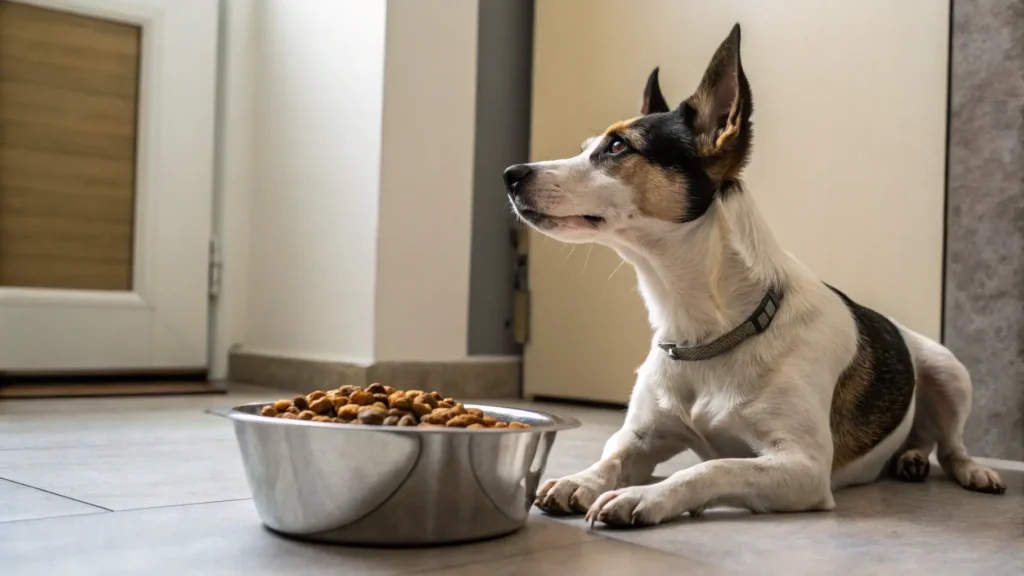
Here are the nine most common reasons behind a dog not eating but drinking water, from least to most serious.
9 Reasons Your Dog Is Not Eating But Drinking Water1. Stress or Anxiety
This is the most common cause of a dog not eating but drinking water — and the most underestimated. Dogs are creatures of habit. Any disruption to their routine can suppress appetite: a new home, a new baby, a new pet, a recent move, thunderstorms, fireworks, or even a change in the owner’s schedule.
Stressed dogs often continue drinking normally because hydration is a deeper biological drive than appetite. The eating comes back once the stressor resolves — but this can take anywhere from 24 hours to a week depending on the dog and the trigger.
Signs it’s stress: The not-eating coincides with a specific change. No vomiting, no lethargy, no other symptoms. The dog is alert and otherwise behaving normally.
What to do: Identify and reduce the stressor where possible. Maintain routine. Offer smaller, more enticing meals. If appetite doesn’t return within 48 hours, call your vet.
2. Pickiness or Food Aversion
Dogs who have recently had a bad experience with their food — ate something that made them sick, noticed a formula change, or simply decided they’re done with what you’ve been serving — will sometimes refuse food while continuing to drink.
This is more common in dogs who have been fed variety or have had their meals supplemented with human food. They learn that better options exist, and they wait.
Signs it’s pickiness: Your dog looks interested in food but walks away. They’ll eat treats but not their kibble. There are no other symptoms.
What to do: Don’t immediately switch foods — that rewards the behavior. Try warming the food slightly, adding low-sodium broth, or mixing in a small amount of wet food. Give it 24–48 hours before escalating.
3. Dental Pain or Mouth Issues
A dog not eating but drinking water may simply be in pain when they try to chew. Dental disease is one of the most underdiagnosed conditions in dogs — by age 3, most dogs have some degree of periodontal disease, and many owners never realize it because dogs hide pain remarkably well.
Broken teeth, abscesses, gum inflammation, or oral tumors can all make eating unbearable while leaving water intake unaffected.
Signs it’s dental: Your dog approaches the food bowl, picks up food, then drops it. Drooling more than usual. Bad breath. Favoring one side when chewing on treats.
What to do: Gently check your dog’s mouth if they’ll allow it. Look for swelling, redness, broken teeth, or any visible lumps. If you see anything concerning, or if your dog resists mouth examination, schedule a vet visit. Dental issues don’t resolve on their own.
4. Nausea or Upset Stomach
A dog not eating but drinking water and acting lethargic is often experiencing nausea. This can come from something as simple as eating grass, getting into the trash, or a sudden diet change — or it can be the first sign of a more serious GI problem.
Nauseated dogs often drink water because it soothes the stomach slightly — then feel too sick to eat. You may also notice lip licking, excessive swallowing, or occasional retching.
Signs it’s nausea: The not-eating came on suddenly. Your dog seems uncomfortable but isn’t in acute distress. They may have vomited once or twice. They’re drinking but in smaller amounts than usual.
What to do: Withhold food for 4–6 hours to let the stomach settle. Then offer a small amount of bland food — plain boiled chicken and white rice. If vomiting is persistent or your dog is not eating but drinking water and vomiting repeatedly, that needs veterinary attention same-day.
5. Recent Vaccination or Medication
If your dog received a vaccine or started a new medication in the last 24–48 hours, reduced appetite is a common and expected side effect. The immune response triggered by vaccines temporarily suppresses appetite in many dogs. Some medications — antibiotics, anti-inflammatories, and certain parasite treatments — can cause nausea that leads to food refusal.
What to do: Monitor for 24–48 hours post-vaccine or medication start. If appetite doesn’t return, or if other symptoms develop, call the prescribing vet.
6. Intestinal Blockage or Obstruction
This is one of the more serious causes of a dog not eating but drinking water — and one that can become life-threatening quickly. Dogs who swallow toys, bones, socks, or other foreign objects can develop partial or complete intestinal blockages that prevent food from moving through normally while still allowing some water absorption.
Emergency signs: Not eating combined with repeated vomiting, abdominal distension, obvious pain when the belly is touched, straining to defecate with nothing produced, or extreme lethargy. This is an emergency — do not wait.
According to the American Veterinary Medical Association, intestinal foreign body obstruction is one of the most common surgical emergencies in dogs. Treatment typically costs $2,000–5,000 for surgery.
What to do: If you suspect a blockage, go to an emergency vet immediately. Time matters significantly with obstructions.
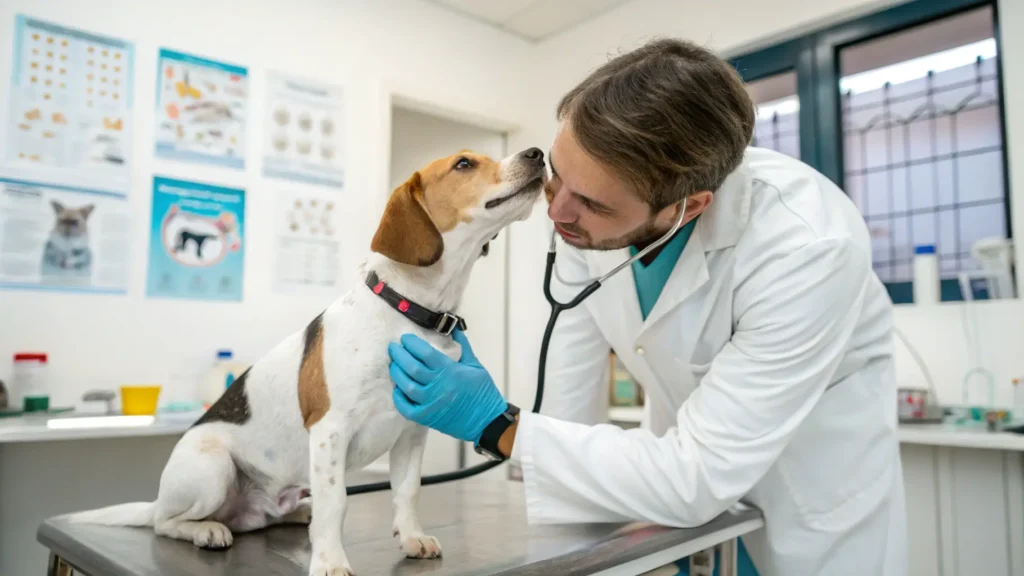
7. Underlying Illness or Organ Disease
A dog not eating but drinking water — especially if the water intake is noticeably increased — can be showing early signs of systemic illness. The most common culprits:
Kidney disease: Dogs with kidney issues often drink more to compensate for the kidneys’ reduced ability to concentrate urine. Appetite drops as toxins build up in the bloodstream.
Diabetes: Diabetic dogs drink excessively and urinate frequently. Appetite changes are variable — some eat more, some less. If your dog is not eating but drinking lots of water, diabetes is worth investigating.
Cushing’s disease (hyperadrenocorticism): Causes increased thirst, increased urination, and appetite changes, along with a pot-bellied appearance.
Liver disease: Reduces appetite while thirst can remain normal or elevated.
Addison’s disease: Can cause episodic vomiting, lethargy, and appetite loss in dogs who otherwise seem fine between episodes.
According to Cornell University College of Veterinary Medicine, early detection of organ disease through routine bloodwork significantly improves treatment outcomes. If your dog is not eating but drinking water persistently over several days, a full bloodwork panel is the right next step.
8. Pain From an Injury or Arthritis
Dogs in pain — whether from an obvious injury or from chronic arthritis — often lose their appetite while maintaining water intake. Pain suppresses hunger signals without necessarily affecting thirst.
This is especially relevant in senior dogs. A dog who was eating normally and suddenly stops, particularly if they’re also moving differently, reluctant to climb stairs, or reacting to touch on certain areas of their body, may be experiencing pain that hasn’t been visibly apparent.
What to do: Observe movement carefully. Is your dog rising slowly from lying down? Hesitating before jumping? Yelping when touched? If pain seems likely, a vet visit for evaluation and pain management is warranted.
9. Cancer or Serious Illness
Appetite loss is one of the earliest and most consistent signs of serious illness in dogs — including cancer. A dog not eating but drinking water for more than 48 hours with no clear environmental cause always deserves veterinary evaluation, not watchful waiting.
This isn’t to cause panic — most cases of a dog not eating but drinking water have benign explanations. But it’s worth stating clearly: persistent, unexplained appetite loss in dogs is not something to keep waiting on.
How Long Can a Dog Go Without Eating But Drinking Water?
A healthy adult dog can survive without food for 3–5 days if they’re drinking water. But “survive” is not the same as “fine.” By 24–48 hours of not eating, most dogs begin experiencing metabolic changes, muscle breakdown, and immune suppression.
The practical guideline:
- Under 12 hours: Normal variation for many dogs
- 12–24 hours: Monitor closely, try bland food
- 24–48 hours: Call your vet for guidance
- 48+ hours: Same-day vet visit
Important exception: Small breed dogs and puppies have much less metabolic reserve. A small dog or puppy not eating for more than 12 hours needs veterinary contact sooner — they’re at real risk of hypoglycemia.
Senior Dog Not Eating But Drinking Water
Senior dogs (generally 7+ years for large breeds, 10+ for small breeds) who stop eating but continue drinking water warrant faster intervention than younger dogs.
In senior dogs, appetite loss paired with increased water intake is frequently the first sign of kidney disease, liver dysfunction, or hormonal imbalances — all of which are more common in aging dogs and all of which are more manageable when caught early.
Additional senior-specific causes:
- Cognitive dysfunction (canine dementia) — dogs may forget they’ve eaten or forget where their bowl is
- Reduced sense of smell reducing food appeal
- Dental pain from years of accumulated dental disease
- Cancer — more statistically common in older dogs
The rule for senior dogs: If your senior dog is not eating but drinking water for more than 24 hours, call your vet. Don’t wait 48 hours.
Dog Not Eating But Drinking Water: Home Remedies to Try First
If your dog has been refusing food for under 24 hours and shows no other symptoms, here are the safe at-home interventions to try before calling the vet:
1. The bland diet test Plain boiled chicken (no seasoning, no skin) mixed with plain white rice — approximately 1:3 ratio of chicken to rice. Offer a small amount. If your dog eats it, their digestive system is working and they’re likely dealing with mild nausea or a minor upset.
2. Warm the food Adding warm (not hot) water to dry kibble or gently warming wet food releases aroma that can stimulate appetite. Many dogs will eat warmed food when they refuse room-temperature food.
3. Low-sodium chicken or bone broth Pour a small amount over their regular food. Make sure it contains no onion or garlic — both are toxic to dogs.
4. Smaller, more frequent meals Instead of one or two large meals, try three or four small amounts throughout the day. This can help with nausea and with reluctant eaters.
5. Eliminate food competition If you have multiple dogs, feed them separately. A dog who is slightly unwell may be avoiding the food bowl because another dog is creating pressure around mealtime.
What NOT to do: Don’t immediately switch to a new food (can worsen GI upset), don’t force-feed unless directed by a vet, and don’t add rich human foods like butter or cheese — these can trigger pancreatitis.
When to See a Veterinarian
Call your vet today if:
- Dog not eating but drinking water for 24–48 hours with no improvement
- Any vomiting alongside the food refusal
- Lethargy, weakness, or difficulty rising
- Diarrhea persisting more than 24 hours
- Noticeably increased water intake alongside food refusal
- Senior dog not eating for more than 24 hours
- Small breed dog or puppy not eating for more than 12 hours
Go to an emergency vet immediately if:
- Not eating + repeated vomiting + distended or painful abdomen
- Signs of dehydration: dry gums, skin that doesn’t spring back when gently pinched, sunken eyes
- Extreme lethargy or collapse
- Known or suspected ingestion of a foreign object
- Blue, white, or pale gums
- Seizures or disorientation
Cost of Veterinary Care for a Dog Not Eating
One of the most practical things you can know before a vet visit is what to expect financially. Here’s an honest breakdown:
| Service | Typical Cost |
|---|---|
| Office exam + consultation | $50–150 |
| Blood panel (comprehensive) | $150–300 |
| Urinalysis | $50–100 |
| X-rays (2 views) | $150–300 |
| Abdominal ultrasound | $300–600 |
| IV fluids + hospitalization | $500–1,500/day |
| Foreign body removal (surgery) | $2,000–5,000 |
| Dental cleaning + extractions | $500–2,000 |
A basic workup for a dog not eating but drinking water (exam + bloodwork + urinalysis) typically runs $250–550. If the cause turns out to be something more serious requiring imaging or hospitalization, costs rise quickly.
📌 Disclosure: Some product links below are affiliate links. I earn a small commission if you buy through them at no extra cost to you. This doesn’t influence my recommendations.
This is exactly why pet insurance matters most before a diagnosis exists. Lemonade Pet Insurance and Pumpkin Pet Insurance both cover diagnostic workups and most illnesses when enrolled before symptoms appear.
| Provider | Monthly Cost | Diagnostic Coverage | Illness Coverage |
|---|---|---|---|
| Lemonade Pet | $15–40 | ✅ Yes | ✅ Yes |
| Pumpkin | $20–50 | ✅ Yes | ✅ Yes |
| Nationwide | $35–70 | ✅ Yes | ✅ Yes |
Frequently Asked Questions
How long can my dog go without eating but drinking water? A healthy adult dog can survive 3–5 days without food if hydrated. However, at 24–48 hours of not eating, veterinary guidance is recommended. Small dogs and puppies need veterinary contact after 12 hours due to hypoglycemia risk.
Should I force-feed my dog if they won’t eat? No — force-feeding can cause aspiration (food entering the lungs) and increases stress, which further suppresses appetite. Offer small, enticing amounts of bland food and let your dog choose to eat. If they don’t eat within 24–48 hours, contact your vet.
Why is my dog not eating but drinking a lot of water? Excessive thirst combined with food refusal is a specific symptom pattern worth investigating promptly. It’s commonly associated with kidney disease, diabetes, Cushing’s disease, or liver dysfunction. A blood and urine panel can identify the cause within hours of the vet visit.
Why is my dog not eating but drinking water and sleeping a lot? Lethargy combined with appetite loss and normal water intake suggests your dog is unwell rather than just being picky. This combination warrants a vet call within 24 hours — it’s one of the cleaner signs that something systemic is happening.
My dog is not eating but drinking water and vomiting — what should I do? This combination needs same-day veterinary attention. Vomiting plus appetite loss can indicate GI obstruction, pancreatitis, toxin ingestion, or several other conditions that worsen without treatment. Don’t wait this one out at home.
Can a dog not eating but drinking water die? A healthy dog won’t die from 24–48 hours of not eating as long as they’re drinking. However, the underlying cause of the appetite loss can be serious — and some causes (obstruction, toxin ingestion, organ failure) can be life-threatening without treatment. The food refusal itself isn’t the danger; what’s causing it potentially is.
Why is my senior dog not eating but drinking water? Senior dogs stopping food intake while continuing to drink should be seen by a vet within 24 hours. In older dogs, this pattern frequently signals kidney disease, liver dysfunction, dental pain, or cancer — all conditions that respond better to early intervention.
Bottom Line
A dog not eating but drinking water for under 12 hours is usually not an emergency. A dog not eating but drinking water for 24 hours or more — especially if combined with lethargy, vomiting, or excessive water intake — needs veterinary evaluation. The at-home steps in this guide are appropriate first responses, but they’re not substitutes for a diagnosis. When in doubt, call your vet. Early intervention for most of the serious causes of appetite loss in dogs makes a measurable difference in outcome.
This article is for informational purposes only and does not constitute veterinary medical advice. Always consult a licensed veterinarian for diagnosis and treatment of your pet’s health conditions.
Related Articles
- How to Treat Cherry Eye in Dogs Without Surgery — Another condition where early action matters more than waiting.
- How to Treat Dog Ear Infection Without Vet — Safe at-home care for common dog health issues.
- Cat Breathing Fast But Otherwise Normal — Recognizing early warning signs in pets before they become emergencies.
- 7 Diabetic Cat Signs You Shouldn’t Ignore — How diabetes presents differently across species — relevant for dog owners too.