My Dog Has a Dry Cough and Then Gags — 7 Critical Signs to Never Ignore
This guide also answers the question that follows immediately after: why does my dog keep coughing and gagging even when they seem otherwise fine — because the answer changes everything about how urgently you need to act.
When my dog has a dry cough and then gags, it usually means irritation or inflammation in the throat or airway caused by infections like kennel cough, allergies, a collapsing trachea, heart disease, or a foreign object. If the coughing lasts more than 24 hours, gets worse, or comes with difficulty breathing or blue gums, call your vet immediately — do not wait to see if it resolves on its own.
⚠️ Emergency Warning Signs — Act Immediately
My dog has a dry cough and then gags in most cases from something manageable — but these specific warning signs mean you need emergency vet care right now, not home monitoring.
- Difficulty breathing or visible effort with every breath
- Blue, purple, or grey gums or tongue — this is a serious oxygen emergency
- Collapse or extreme sudden weakness
- Pawing frantically at the mouth — possible foreign object obstruction
- Coughing up blood or pink foamy fluid
- Rapid deterioration over minutes rather than hours
- Puppies or senior dogs with any of the above — they have less tolerance for respiratory distress
At a Glance: Causes and Actions
| Cause | Key Symptoms | Action |
|---|---|---|
| Kennel Cough | Dry hacking cough, gagging after cough | Vet diagnosis, rest, possible antibiotics |
| Allergies | Recurrent coughing, watery eyes, scratching | Remove allergens, vet-approved antihistamines |
| Collapsing Trachea | Honking cough, worse with excitement | Vet diagnosis, medication or surgery |
| Heart Disease | Cough worse at night, exercise intolerance | Urgent vet exam and heart medication |
| Foreign Object | Sudden gagging, pawing at mouth | Emergency vet visit immediately |
What Does a Dry Cough and Gagging Mean for Your Dog?
When my dog has a dry cough and then gags, the first thing I learned from our vet is that these two symptoms together are giving you specific information. A dry cough means the airway or throat is irritated but not producing fluid or mucus. The gagging that follows is the throat’s attempt to clear whatever is causing that irritation — sometimes ending in a retch, sometimes not.
 The combination of dry cough then gag is different from a wet productive cough, which typically means infection deeper in the lungs. The dry-cough-then-gag pattern points more specifically to the upper airway — the throat, trachea, or larynx. This distinction matters because it helps your vet narrow down the cause much faster and choose the right diagnostic approach.
5 Common Causes of Dry Cough and Gagging in Dogs
My dog has a dry cough and then gags for one of these five reasons in the vast majority of cases. Identifying which one applies to your dog is the key to knowing how urgently you need to act:
1. Kennel Cough (Infectious Tracheobronchitis)
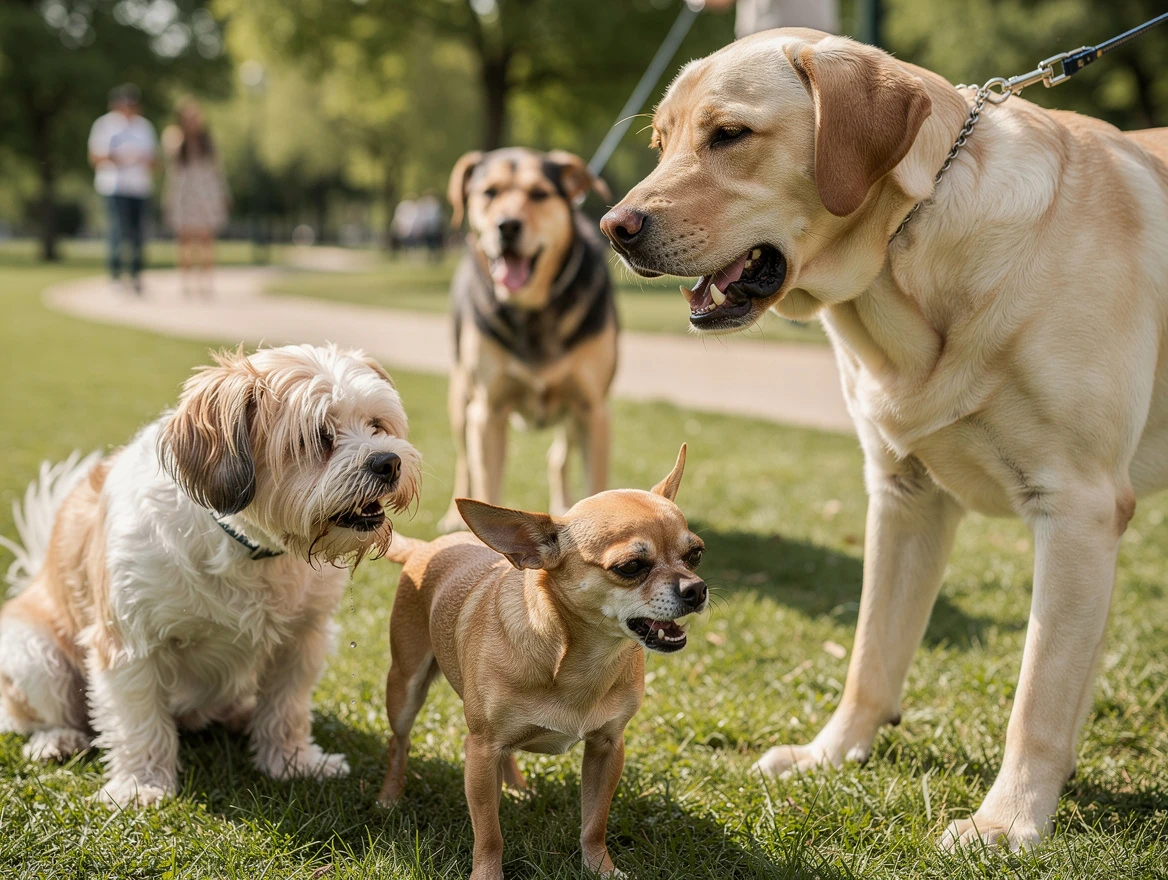
Kennel cough is the most common reason my dog has a dry cough and then gags after spending time around other dogs — at daycare, a boarding facility, a dog park, or even a vet waiting room. It is a highly contagious bacterial and viral infection of the upper respiratory tract. The classic sound is a forceful honking cough that ends in a gag or retch. Most healthy adult dogs recover within one to two weeks with rest and supportive care, though antibiotics are sometimes prescribed to prevent secondary infection.
2. Allergies and Environmental Irritants
Pollen, dust, mold, smoke, cleaning sprays, and perfumes can all trigger airway inflammation that produces the same dry cough then gag pattern. Allergic coughing is often seasonal or tied to specific environments. If your dog coughs more inside than outside, or more in certain seasons, allergies are a strong candidate. Our vet recommended removing the suspected irritant first before adding any medication to confirm the connection.
3. Collapsing Trachea
Collapsing trachea is most common in small breeds — Chihuahuas, Yorkshire Terriers, Pomeranians, and Toy Poodles particularly. The tracheal rings weaken and partially collapse during breathing, producing a distinctive high-pitched honking cough that is often triggered by excitement, exercise, or pulling on a collar. This condition is progressive and requires veterinary diagnosis, but it is highly manageable with medication and lifestyle adjustments including switching to a harness instead of a collar.
4. Heart Disease
In older dogs especially, an enlarged heart can press on the trachea or fluid can accumulate around the lungs, causing a persistent dry cough that is typically worse at night or after exercise. Heart disease coughing is often accompanied by reduced energy, decreased appetite, and faster breathing at rest. This always requires a vet visit — it is not something that resolves with home care.
5. Foreign Object or Throat Irritation
A twig, grass awn, small toy piece, or bone fragment lodged in the throat creates sudden intense coughing and gagging. This type has a very abrupt onset — your dog was fine and then suddenly is coughing frantically and pawing at their mouth. This is an emergency that requires immediate vet attention to remove the object safely before it causes further damage or obstruction.
Why Does My Dog Keep Coughing and Gagging?
Why does my dog keep coughing and gagging rather than having it resolve after a day or two is the question that separates a minor irritation from something that needs medical attention. Persistent coughing that lasts more than 24 to 48 hours almost always has an underlying cause that will not go away on its own.
Why does my dog keep coughing and gagging repeatedly points most commonly to one of three things: an active infection like kennel cough that needs treatment to resolve, a structural issue like a collapsing trachea that requires ongoing management, or a chronic condition like allergies or heart disease that will continue producing symptoms until it is diagnosed and treated. The pattern of when the coughing happens gives you clues — coughing only at night suggests heart disease, coughing triggered by excitement suggests tracheal issues, coughing in specific environments suggests allergies.
How to Care for Your Dog at Home
When my dog has a dry cough and then gags, these are the home care steps I follow while deciding whether a vet visit is needed:
Keep Your Dog Calm and Rested
Excitement, exercise, and pulling on a collar all worsen coughing by increasing respiratory effort. Keep activity minimal for at least 24 hours. Switch to a harness for any necessary outdoor time — collar pressure directly on the trachea makes almost every coughing condition worse.
Use a Humidifier
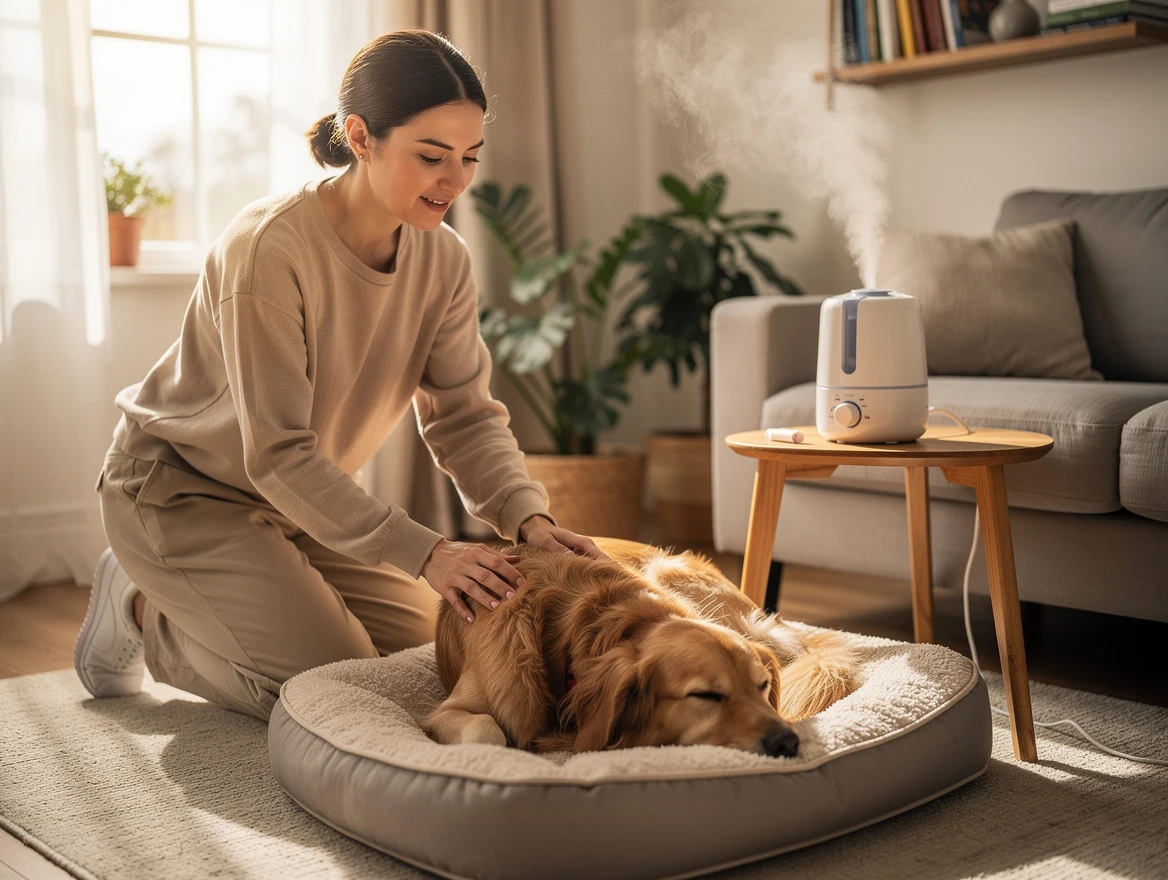
Dry air irritates already inflamed airways and makes coughing more frequent. Running a humidifier near where your dog rests adds moisture to the air and can significantly reduce coughing episodes. Steam from a hot shower also helps — bring your dog into the bathroom while you shower and let them breathe the humid air for 10 minutes.
Remove All Airway Irritants
Stop using aerosol sprays, air fresheners, scented candles, and cleaning products in rooms where your dog spends time. Cigarette smoke and vaping are particularly damaging to inflamed airways. If another household member smokes, ensure your dog is in a completely separate well-ventilated area.
Monitor and Time the Coughing Episodes
Note when the coughing happens — morning, night, after exercise, after eating, when excited. Note whether the gag produces anything and what it looks like. Note whether your dog’s energy, appetite, and breathing are normal between episodes. This information is exactly what your vet needs and makes the diagnosis much faster.
Never Give Human Medications Without Vet Guidance
Do not give human cough suppressants, antihistamines, or any other medication without speaking to your vet first. Many human medications are toxic to dogs. Benadryl is sometimes vet-approved for allergic coughing in dogs at specific doses, but the dose must be confirmed by your vet based on your dog’s weight and health history — never based on what you read online.
If your dog has stopped eating but is still drinking water alongside the coughing, that combination warrants a same-day vet call rather than home monitoring. The same applies if you notice sudden clinginess or behavior changes alongside the cough — these often signal that your dog is feeling worse than the coughing alone suggests.
Common Mistakes Dog Owners Make
When my dog has a dry cough and then gags, these are the mistakes I see owners make most often — including one I made myself the first time:
- ❌ Assuming it will pass on its own — a cough that lasts more than 48 hours almost never resolves without identifying and treating the underlying cause
- ❌ Giving human cough medications — many are toxic to dogs; always call your vet before giving anything
- ❌ Keeping the collar on during recovery — collar pressure on the trachea worsens virtually every coughing condition; switch to a harness immediately
- ❌ Continuing normal exercise — physical exertion increases respiratory demand and significantly worsens coughing in most conditions
- ❌ Waiting for other symptoms to confirm something is wrong — by the time heart disease or tracheal collapse produce obvious secondary symptoms, the condition is already well progressed
- ❌ Not mentioning other dogs your dog has contacted recently — if your vet does not know about recent daycare or dog park visits, kennel cough may not be considered first
Causes and Treatments: Comparison
| Cause | Typical Dog | Treatment | Prognosis |
|---|---|---|---|
| Kennel Cough | Any age, especially young | Rest, antibiotics if needed, cough suppressant | Very good with treatment |
| Allergies | Any breed or age | Remove allergens, vet-approved antihistamines | Chronic but very manageable |
| Collapsing Trachea | Small breeds, middle-aged | Anti-inflammatory meds, harness, surgery if severe | Manageable, progressive |
| Heart Disease | Older dogs, all breeds | Heart medications, lifestyle changes | Depends on severity and timing |
| Foreign Object | Any age or breed | Emergency veterinary removal | Excellent if treated promptly |
Frequently Asked Questions
If my dog has a dry cough and then gags and it started within the last 24 hours with no other symptoms, monitoring at home for one day is reasonable. But if the coughing has lasted more than 48 hours, is getting worse rather than better, or comes with reduced energy, appetite changes, or any breathing difficulty, call your vet today rather than waiting. Early diagnosis is always easier and less expensive than treating an advanced condition.
Why does my dog keep coughing and gagging despite rest usually means the underlying cause has not been addressed. Rest reduces the frequency of episodes but does not treat the cause. Kennel cough needs time and sometimes antibiotics, collapsing trachea needs medication and management, and heart disease needs specific cardiac treatment. If coughing continues after 48 hours of rest at home, a vet diagnosis is the next step.
No — kennel cough is caused by pathogens that are specific to dogs and does not transfer to cats or humans. Your cats are completely safe if your dog has kennel cough. However, kennel cough is extremely contagious between dogs, so keep any dog with suspected kennel cough away from other dogs until fully recovered and cleared by your vet.
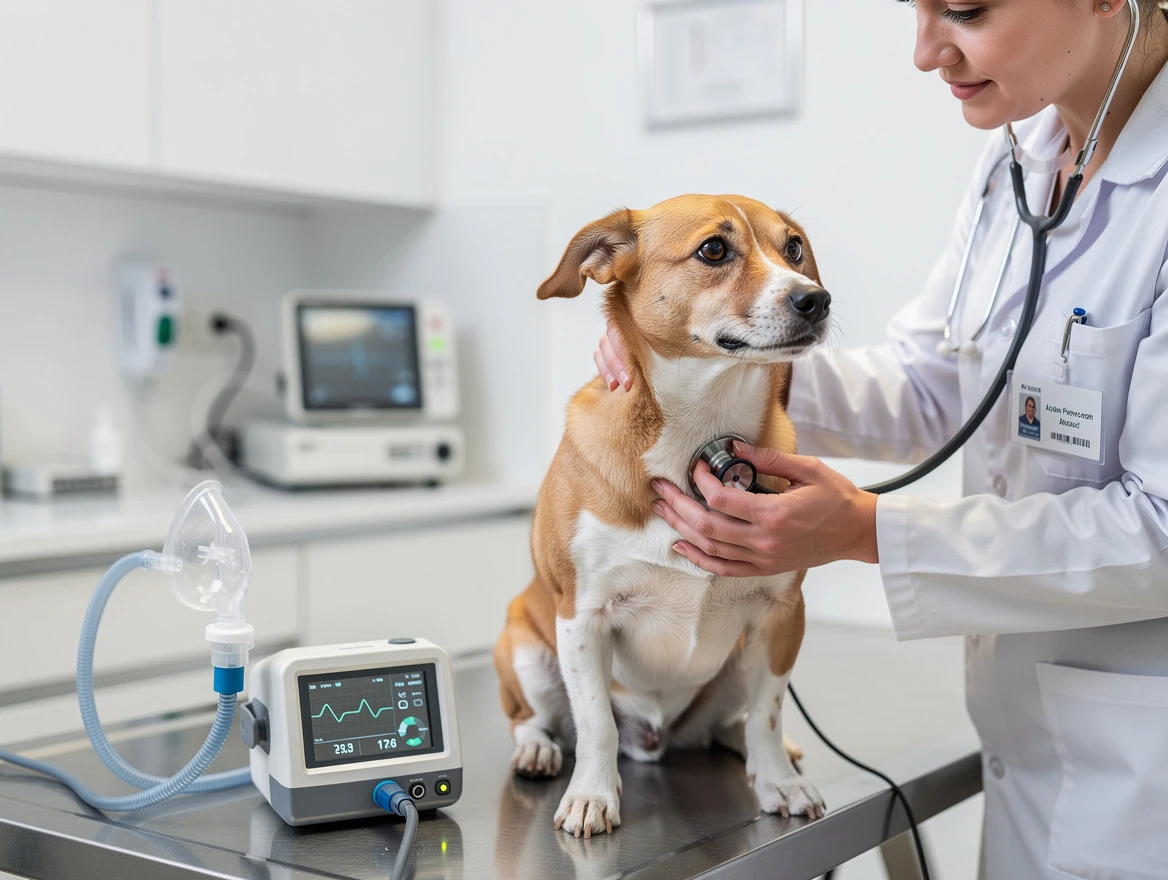
Diagnosis typically starts with a full physical exam and listening to the chest and throat. Depending on what the vet finds, they may recommend chest X-rays to check for heart enlargement or lung fluid, a throat swab to test for kennel cough bacteria, blood work to assess overall health, or a fluoroscopy (moving X-ray) to confirm tracheal collapse. The timing and pattern of symptoms you describe plays a major role in guiding which tests are needed.
When my dog has a dry cough and then gags specifically at night or when lying down, it is worth taking more seriously than daytime coughing. Coughing that is significantly worse at night is one of the classic signs of heart disease, where fluid shifts around the chest when the dog is horizontal. This pattern combined with any reduction in energy or exercise tolerance warrants a prompt vet visit rather than a wait-and-see approach.
Yes — heartworm infection can cause coughing, gagging, and breathing difficulty as worms accumulate in the heart and pulmonary arteries. This is one reason why heartworm prevention should never lapse, particularly if you live in a region with mosquitoes. If your dog is not on regular heartworm prevention and develops a persistent cough, ask your vet to include a heartworm test in their diagnostic workup.
The home measures with genuine evidence behind them are humidity — using a humidifier or steam bathroom session — rest, harness instead of collar, and removing airway irritants like smoke and sprays. Honey in small amounts is sometimes recommended for soothing mild throat irritation in dogs, but only plain raw honey and only after checking with your vet about your specific dog’s health history. Nothing replaces a veterinary diagnosis for any cough lasting more than 48 hours.
When my dog has a dry cough and then gags from kennel cough specifically, most healthy adult dogs recover fully within one to two weeks with rest and supportive care. Puppies, senior dogs, and immunocompromised dogs may take longer and are more likely to need antibiotics to prevent secondary pneumonia. If symptoms have not clearly improved after 10 days or if your dog develops a fever or becomes lethargic, return to your vet for reassessment.
The Bottom Line
My dog has a dry cough and then gags is a symptom combination that always deserves your attention — even when your dog seems otherwise fine between episodes. The delayed nature of some underlying causes, particularly heart disease and tracheal collapse, means that waiting for your dog to seem obviously unwell before acting often means waiting too long.
My dog has a dry cough and then gags most commonly from kennel cough or allergies, both of which are very manageable with the right treatment. But it can also signal something more serious that needs diagnosis before it progresses. The 48-hour rule is your guide: one day of home care with rest, humidity, and irritant removal is reasonable. If the cough is not clearly improving by 48 hours, your vet is the next call.
My dog has a dry cough and then gags — and now you know exactly what to watch for, what to do at home, and when to escalate. If you have also noticed your dog having digestive symptoms alongside the coughing, that combination is worth mentioning to your vet as it can indicate a systemic issue rather than a simple respiratory one.