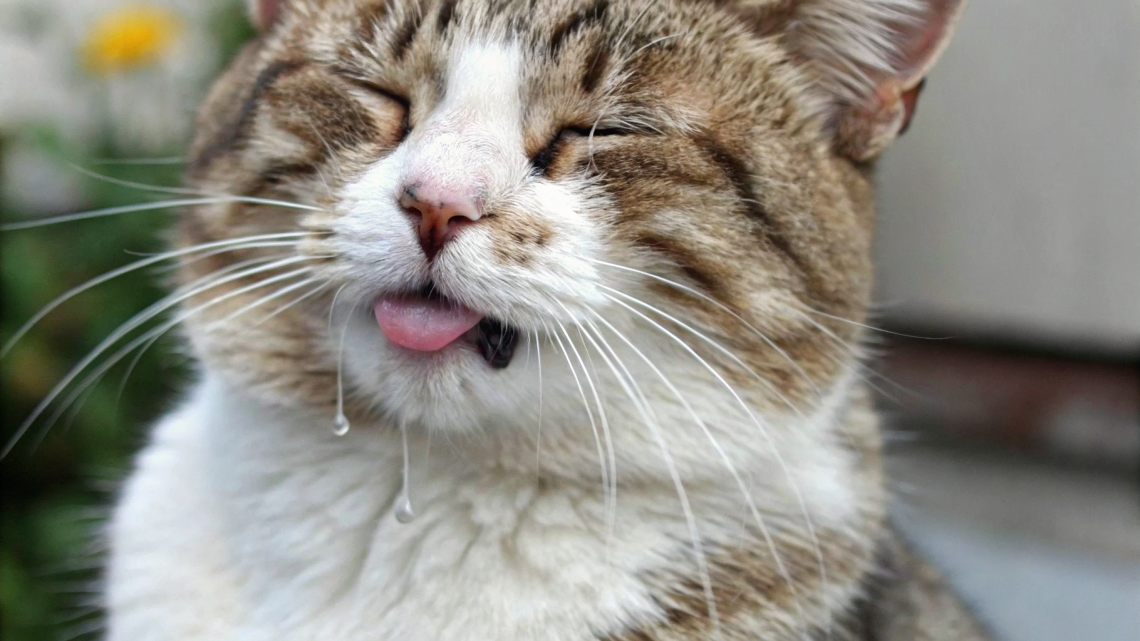
Why is my cat drooling? A little drool while your cat is relaxed and purring is usually nothing to worry about. But sudden, thick, or excessive drooling almost always means something is wrong, pain, nausea, dental disease, or even poisoning.
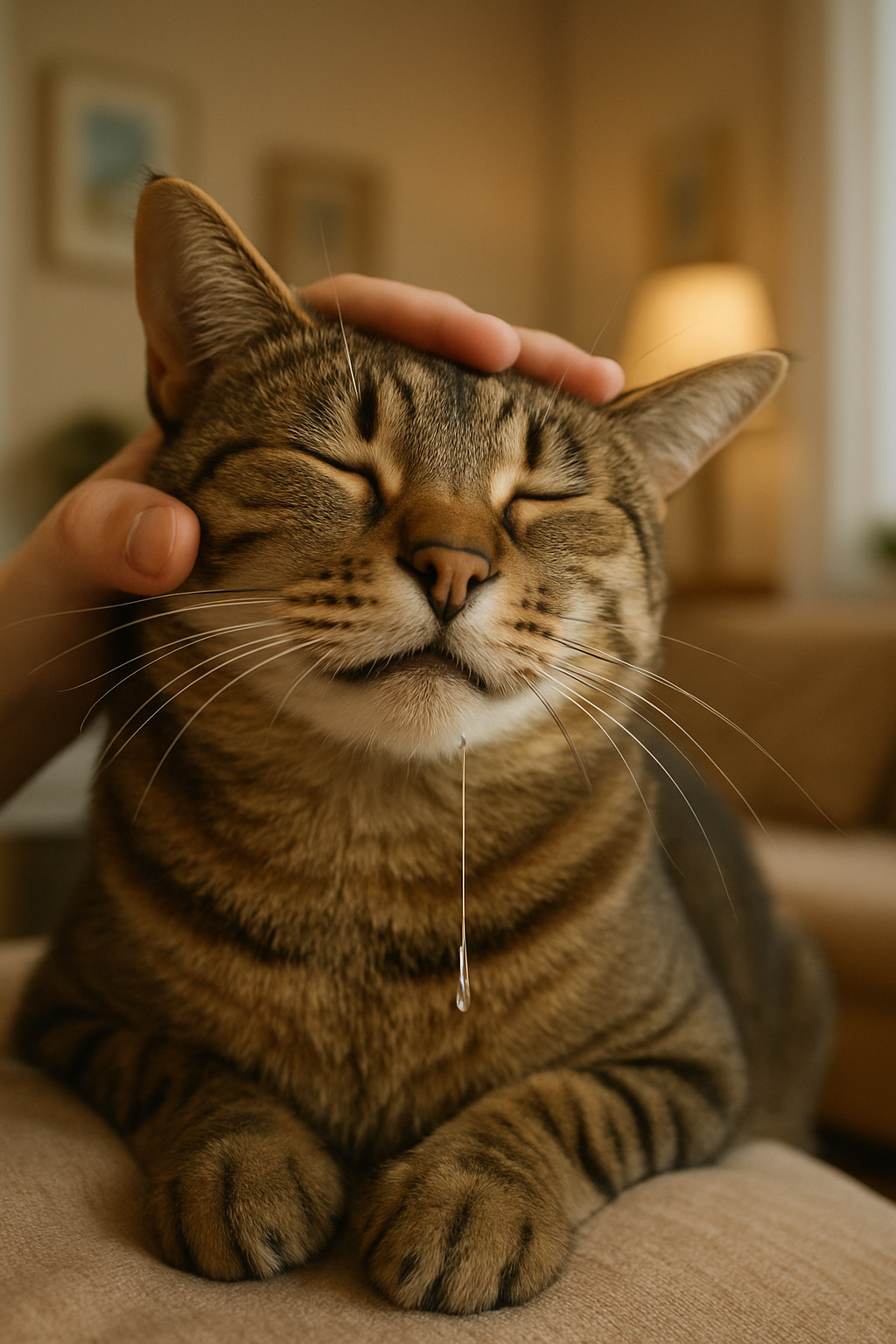
My Maine Coon mix drools like clockwork every time he gets a belly rub, pure contentment, nothing to worry about. But when one of my other cats started drooling and pawing at her mouth out of nowhere, that was a completely different story. A vet visit and dental cleaning solved it. Learning to tell the difference between happy drool and sick drool changed how I react every single time.
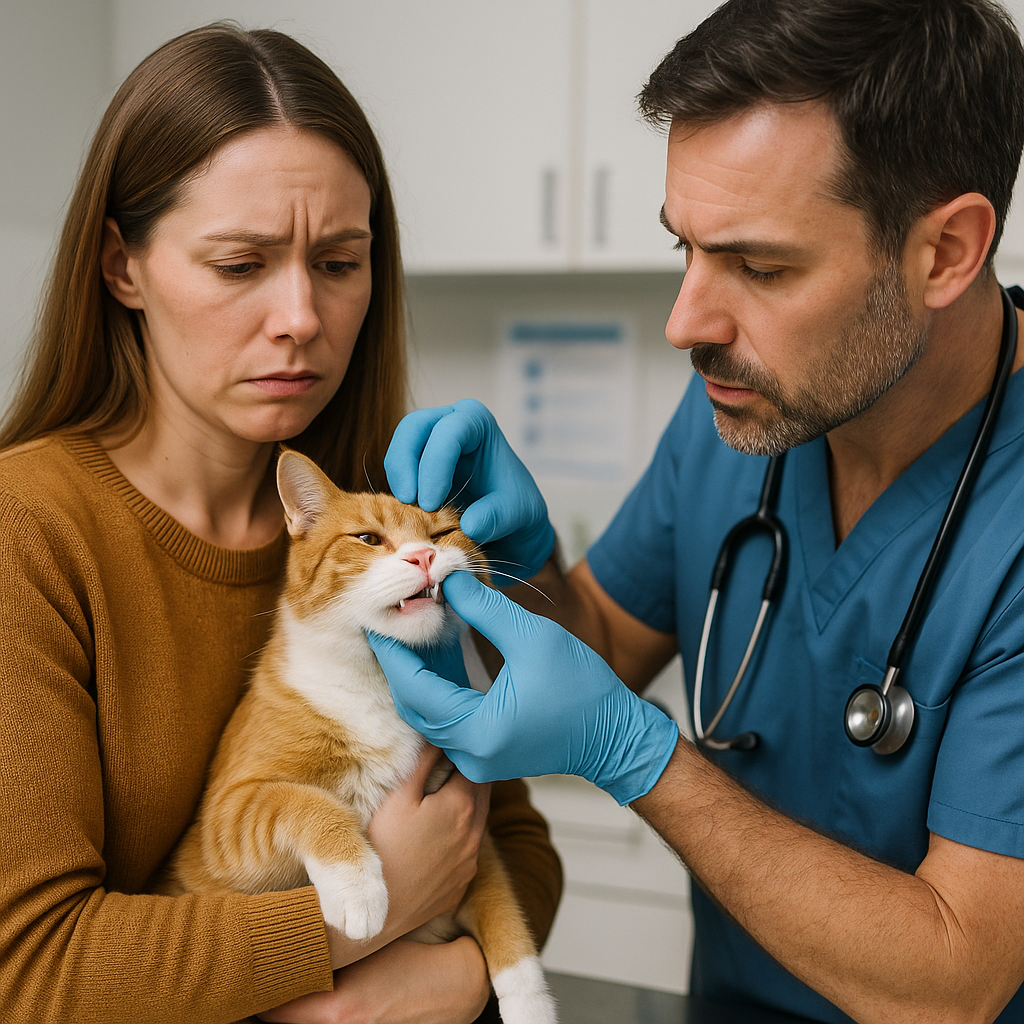
- Difficulty breathing or swallowing
- Severe lethargy or collapse
- Vomiting blood or continuous vomiting
- Seizures or tremors
- A string or object visibly hanging from the mouth, never pull it out yourself
- Staggering or signs of poisoning
These combinations can signal dental infection, toxin exposure, or an internal emergency. Do not wait.
Mild drooling during purring, petting, or kneading is often “happy drool” and completely normal. Sudden, thick, or excessive drooling usually signals dental pain, nausea, stress, a foreign object in the mouth, or toxin exposure. If drooling is new, heavy, or paired with other symptoms, see your vet.
Happy Drool vs Sick Drool
| Type | What It Looks Like | Urgency |
|---|---|---|
| Happy drool | Light, occurs during purring, kneading, or petting | None — completely normal |
| Drooling but acting normal | Mild drool, eating and behaving fine | Monitor — mention at next checkup |
| Excessive drooling suddenly | Heavy, wets fur or chin, appears out of nowhere | Vet visit same day |
| Thick, ropey saliva | Sticky, stringy consistency | Vet visit — often dental or nausea related |
| Drooling + other symptoms | Lethargy, vomiting, pawing at mouth | 🚨 Vet immediately |
7 Causes of Cat Drooling
1. Contentment (Happy Drool)
Some cats drool when deeply relaxed, purring, or being petted, similar to how some people salivate when very relaxed. This is harmless and often more common in certain individual cats regardless of breed.
2. Dental Disease
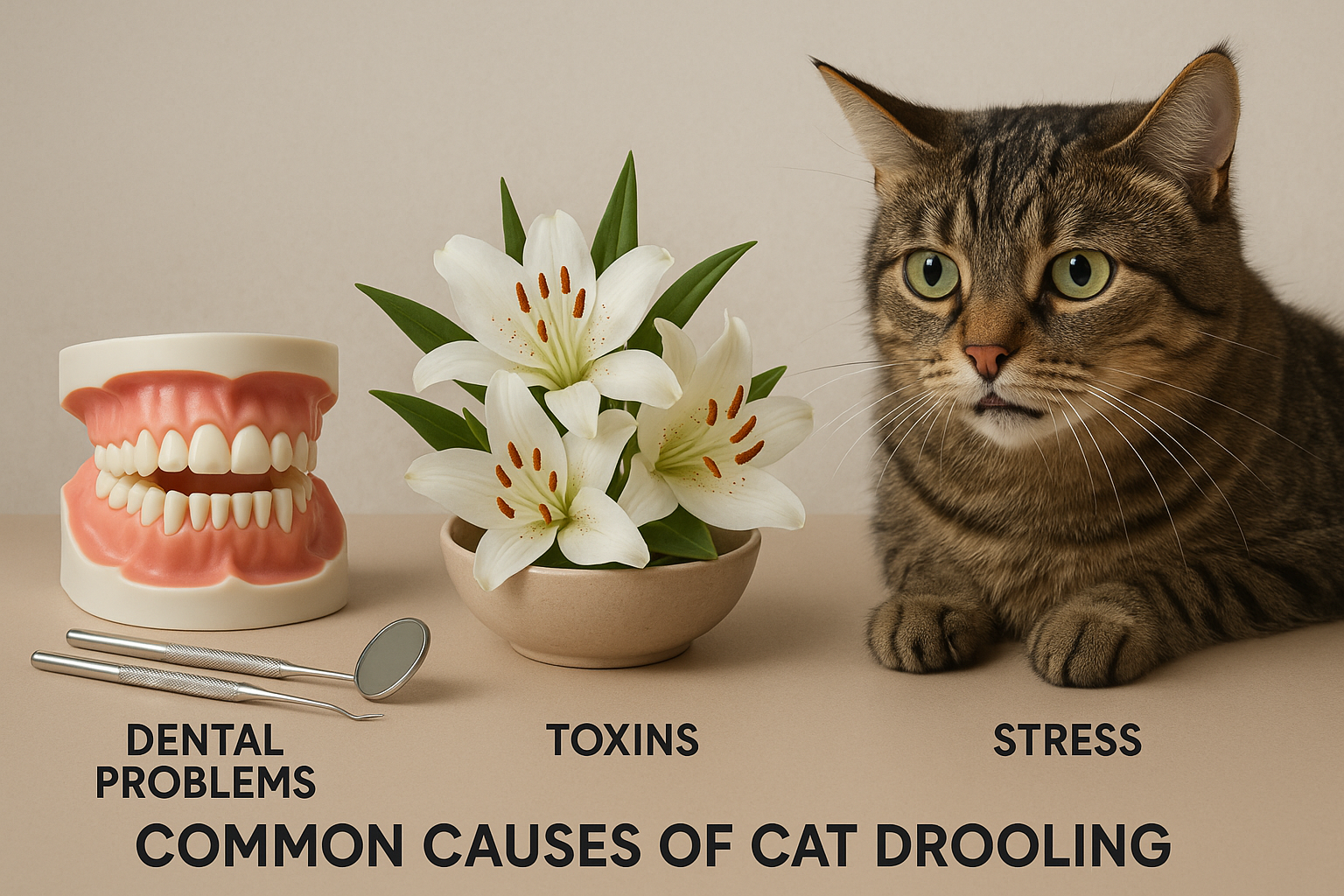
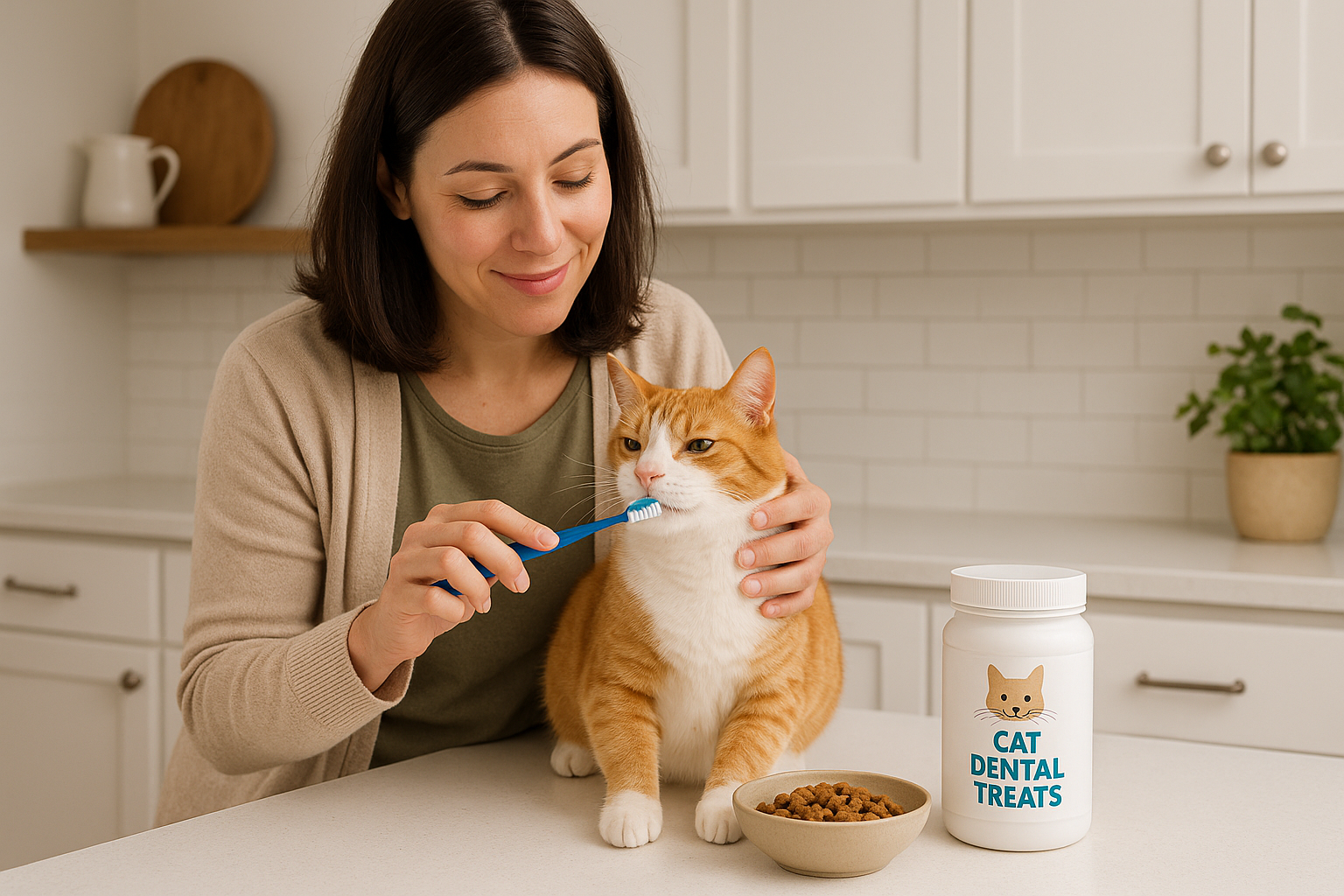
Gingivitis, tooth resorption, abscesses, or broken teeth are among the most common causes of abnormal drooling. Pain triggers excess saliva production. Related: Why Does My Cat’s Breath Smell So Bad and Stomatitis in Cats.
3. Nausea
An upset stomach, motion sickness, or gastrointestinal issues can cause drooling as the body anticipates vomiting. Related: Cat Vomiting White Foam.
4. Toxin or Plant Exposure
Toxic plants, household chemicals, or spoiled food can trigger sudden, heavy drooling as an early warning sign of poisoning. Related: Are Tulips Toxic to Cats and My Cat Licked Toilet Cleaner.
5. Stress or Anxiety
Car rides, vet visits, or unfamiliar situations can cause mild, temporary drooling driven by nerves rather than illness. This usually resolves once the stressor is removed.
6. Oral Foreign Body
String, bone fragments, or splinters lodged in the mouth cause persistent drooling along with pawing at the face. Never attempt to pull a visible string yourself, it may be attached internally.
7. Kidney or Liver Disease
Chronic illness can cause nausea and drooling alongside increased thirst and lethargy, more common in senior cats. Related: Signs of Kidney Failure in Cats.
Drooling While Purring or Being Petted
This is one of the most common “happy drool” triggers. Deep relaxation during purring or petting can stimulate saliva production in some cats. Drooling specifically when being petted follows the same pattern, contentment, not illness, especially if the drool stops once petting ends and your cat shows no other symptoms.
Cat Drooling While Sleeping
This is usually harmless, deep relaxation during sleep can loosen jaw muscles slightly, allowing saliva to escape. If your cat wakes up normal, eats well, and shows no pain signs, sleep drooling is rarely a concern. Persistent sleep drooling alongside bad breath may point to dental disease worth checking.
Thick Saliva — What It Means
Thick, ropey, or stringy saliva is different from normal watery drool. It’s sticky enough to see as strands rather than drips, and it usually points to one of a few specific things:
- Dehydration — concentrated saliva becomes thicker as overall fluid intake drops
- Nausea — thick saliva often precedes vomiting, the body produces extra saliva to protect the esophagus
- Dental infection — bacterial buildup changes saliva consistency and often comes with a distinct bad smell
- Oral pain — reduced normal swallowing changes saliva texture as it pools rather than clears normally
A useful first check: offer fresh water and watch whether your cat drinks normally. A cat that avoids water despite thick saliva is more likely dealing with oral pain than simple dehydration. Thick saliva combined with any other symptom, reduced appetite, pawing at the mouth, bad breath, warrants a vet visit rather than home monitoring. On its own and resolving within a day, it’s often just a temporary dehydration blip, especially after a hot day or reduced water intake.
Cat Drooling Before Death — Is This Real
This is a search that reflects real anxiety, but excessive drooling alone is not a reliable sign of impending death. It can, however, accompany serious end-stage illness (kidney failure, cancer, poisoning) when combined with other severe symptoms, extreme lethargy, refusal to eat, labored breathing, and unresponsiveness.
Isolated drooling without these additional severe signs is far more likely to indicate a treatable condition like dental disease or nausea rather than a terminal event. If you are concerned about your cat’s overall decline, a vet visit provides clarity rather than searching symptoms online.
Stress-Related Drooling
Stress-driven drooling typically appears during specific triggering events, vet visits, car rides, thunderstorms, or new environments, and resolves once your cat calms down. Signs it is stress-related rather than medical: drooling starts with a clear trigger, stops within 15-30 minutes of the stressor ending, and your cat shows no other physical symptoms.
When to See the Vet
🩺 See Your Vet If:
- Drooling is new, sudden, or excessive with no clear trigger
- Drooling soaks fur or causes chin irritation
- Bad breath, swollen gums, or pawing at the mouth accompanies drooling
- Drooling follows possible toxin or plant exposure
- Drooling lasts more than 24 hours
- Any string or object is visible in or near the mouth
- Drooling comes with lethargy, vomiting, or appetite loss. Related: My Cat Is Not Eating or Drinking and Very Weak
Common Mistakes
- Assuming all drooling is harmless — sudden or new drooling deserves attention, not dismissal
- Waiting too long on dental disease — untreated dental pain only worsens over time
- Pulling a visible string — this can cause severe internal injury if attached further inside
- Confusing happy drool with sick drool — context (trigger, duration, other symptoms) is the key differentiator
- Skipping the vet when other symptoms appear — drooling plus lethargy, vomiting, or breathing changes is never a wait-and-see situation
Frequently Asked Questions
Mild drooling during purring, petting, or relaxation is usually normal “happy drool.” Sudden, excessive, or thick drooling often signals dental disease, nausea, stress, a foreign object, or toxin exposure and should prompt a vet visit.
Yes, drooling is a common symptom of illness in cats, particularly dental disease, nausea, kidney or liver disease, and toxin exposure. Sick drooling is typically sudden, excessive, or paired with other symptoms unlike normal happy drool.
Thick, ropey saliva usually means dehydration, nausea, dental infection, or oral pain rather than the lighter watery drool of contentment. Offer fresh water first, if your cat drinks normally and the thickness resolves within a day, it was likely just mild dehydration. If it persists or your cat avoids water, that points more toward oral pain and is worth a vet visit.
Drooling alone is not a reliable indicator of impending death. It becomes more concerning only alongside severe symptoms like extreme lethargy, refusal to eat, and labored breathing, in which case a vet visit is essential.
Yes, stress from car rides, vet visits, or unfamiliar situations commonly causes mild, temporary drooling that resolves once the stressor is removed. This is different from illness-related drooling, which tends to persist.
The Bottom Line
Why is my cat drooling? Context is everything. Light drooling during purring or petting is usually harmless contentment. Sudden, excessive, or thick drooling, especially paired with other symptoms, signals something needs attention. When in doubt, a vet visit is always the safer choice over guessing.
Related: Stomatitis in Cats, a common cause of drooling and mouth pain. Also: Why Does My Cat’s Breath Smell So Bad, dental issues often cause both symptoms together.