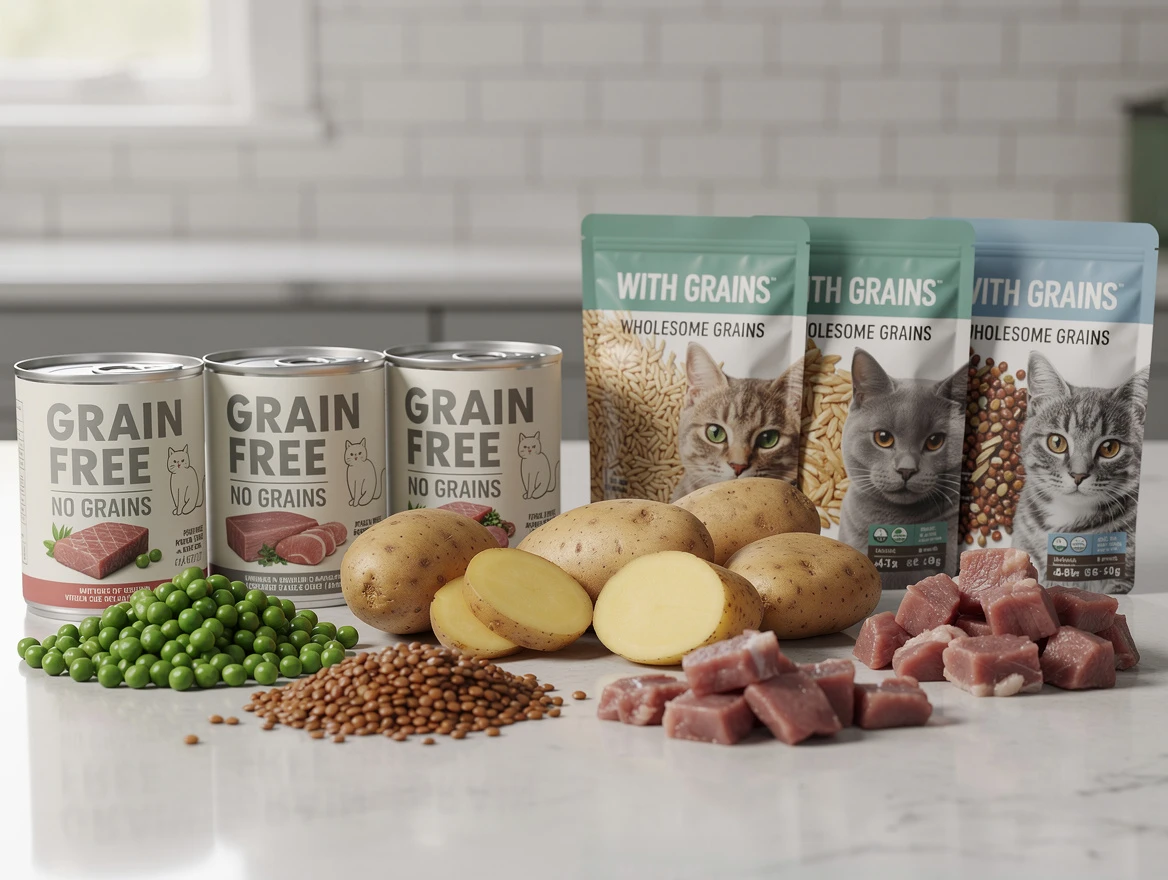
Grain free wet cat food has become the trendy buzzword among cat owners who want to feed their fur babies a more “natural” and potentially healthier diet. Me? I live with four feline overlords who’ve made me their full-time food taster, so I dove headfirst into this grain free wet cat food frenzy to figure out what really matters for their health and happiness. This post dishes out the latest vet-approved wisdom, nutritional nuggets, and practical takeaways on grain free wet cat food so you don’t have to.
Quick Answer: Grain free wet cat food can be a good choice for cats, especially those with grain sensitivities or allergies, but it doesn’t necessarily mean lower carbohydrates or superior nutrition. Always check ingredients carefully and consult your vet before switching diets to ensure it suits your cat’s specific health needs.
Table of Contents
Emergency Warning
If your cat starts acting like a grumpy diva with digestive upset, lethargy, or allergic hives after going grain free, stop the presses and call your vet ASAP. Some cats have special dietary needs, and ignoring that is like ignoring an “I’m hungry” meow from a cat—impossible, and frankly, cruel.

Grain Free Wet Cat Food at a Glance
| Aspect | Details |
|---|---|
| Typical Ingredients | Meat, animal by-products, legumes, tubers |
| Grain Sources Replaced By | Beans, chickpeas, lentils, potatoes |
| Carb Content | Varies; not always lower than grain-included food |
| Common Benefits Claimed | Hypoallergenic, natural, better digestion |
| Potential Downsides | Possible nutritional imbalances, cost |
| Veterinary Viewpoint | No clear superiority; suitability depends on individual cat |
What Exactly Is Grain Free Wet Cat Food?
Okay, quick science class, but don’t fall asleep — grain free wet cat food means no cereal grains like corn, wheat, rice, or barley. Instead, you’ll find peas, lentils, chickpeas, or good ol’ potatoes filling in for those grains. The idea: feed cats closer to their wild carnivore roots—meat and protein first, carbs? Meh, optional.
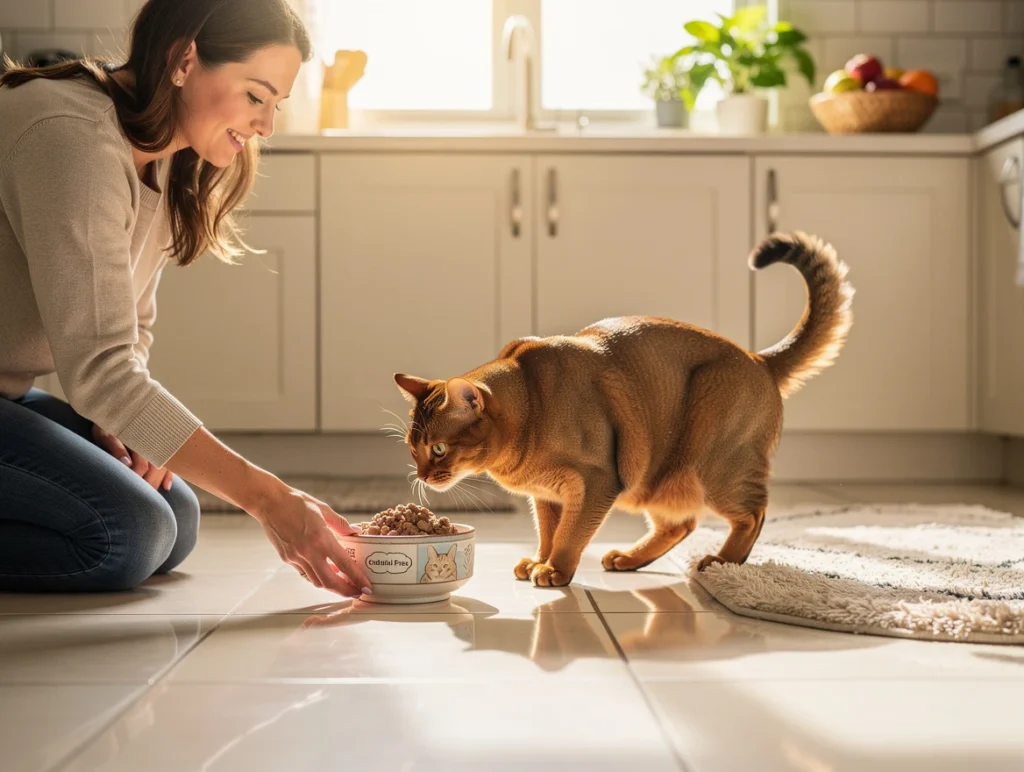
With my four fuzzy overlords, I’ve tossed grain free wet cat food into the mix of their rotation diets. I’m not gonna lie—my youngest cat, who’s got more digestive drama than a daytime soap, seemed less cranky about her tummy after nixing grains. But hey, your mileage may vary.
Veterinary Insights on Grain Free Wet Cat Food
Veterinarians agree cats are obligate carnivores—meaning their bodies demand animal protein like a VIP backstage pass. That said, grain free doesn’t automatically mean healthier or carbs-free. Tufts University found that grain free diets often sneak in carbohydrates from legumes and tubers—those sneaky legumes again!
Dr. Sarah Wooten, DVM, reminds us that protein quality and overall nutrient balance matter way more than just banning grains. The Cornell Feline Health Center confirms that cats get their best energy from proteins and fats, not carbs, so a well-rounded diet still involves balance.
Case in point: after switching to grain free wet food, one of my cats strutted around with a glossy coat and perfect poops, while another just looked at me like, “You gonna feed me or what?” Everyone’s different, so take notes on your cat’s reaction.
How Grain Free Wet Cat Food Ingredients Differ
Traditional wet cat foods usually sneak in grains like corn or rice as fillers or carb sources because, well, carbs are cheap and easy. Grain free wet foods swap those out for peas, lentils, potatoes, and other legumes or tubers.
Per the European Pet Food Industry Federation (FEDIAF), this tweak changes the carb and fiber profile but often doesn’t actually decrease total carbs a cat is eating.
In my research and taste-testing (okay, my cats taste-testing), I spotted labels boasting “pea protein” or “chickpea flour.” Cute plant proteins, but don’t confuse these with the real deal—animal protein. Always scroll to the ingredients and check if meat is front and center.
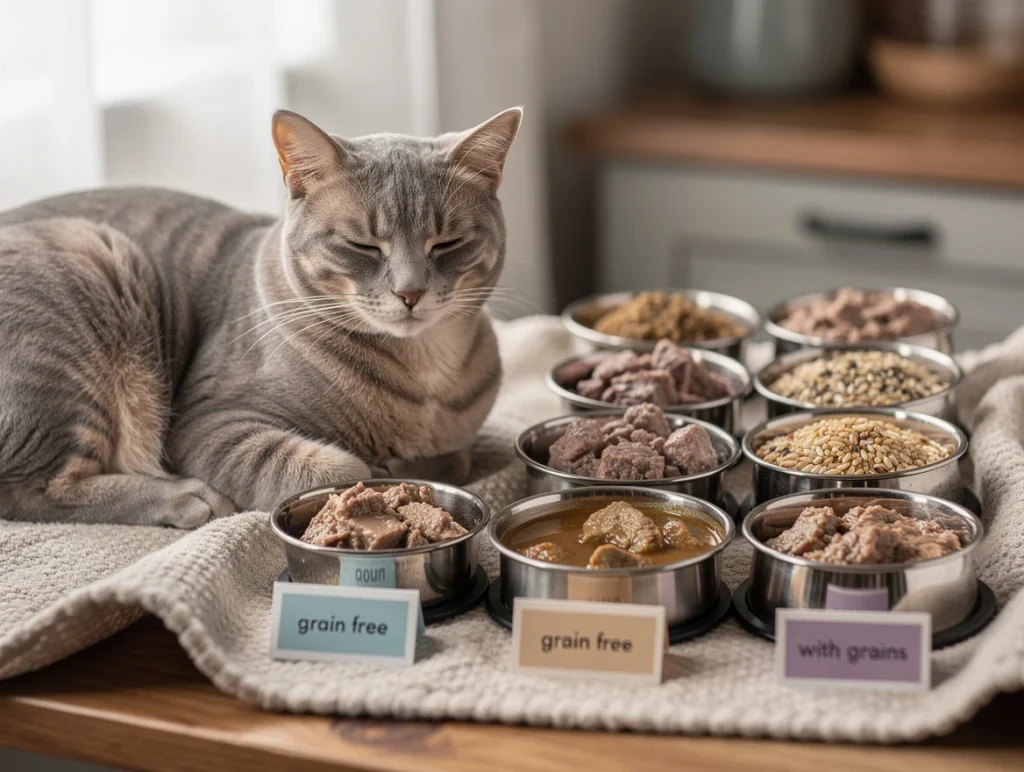
Comparing Grain Free vs Grain-Inclusive Wet Cat Food
| Feature | Grain Free Wet Cat Food | Grain-Inclusive Wet Cat Food |
|---|---|---|
| Carb source | Legumes, tubers | Cereal grains: corn, wheat, rice |
| Protein focus | Mostly animal protein, but varies | Mostly animal protein |
| Allergies/sensitivities | May help grain-sensitive cats | May trigger allergies in some |
| Price range | $2-$5 per can | $1-$3 per can |
| Nutrient balance | Can be unbalanced in some brands | Usually balanced but varies |
| Vet recommendation | Individual-dependent | Well-established option |
Just a heads up—grain free wet cat food often comes with a heftier price tag. Think your wallet’s auditioning for a role in The Purrr-suit of Happiness? I totally get it. Rotating between grain free and grain-inclusive brands in my apartment became the Goldilocks solution—just right to appease palates and tummies alike.
When Should You Consider Grain Free Wet Cat Food for Your Cat?
- Your cat has documented grain allergies or intolerances (get that official vet diagnosis)
- Your furry buddy suffers from vomiting, diarrhea, or gassy issues linked to grains
- You’re on a mission to ditch certain fillers and spotlight protein in their diet
In my humble empire of cats, my oldest feline had chronic sneezing fits and some digestive chaos that mellowed out when I cut grains from her wet food. Haven’t read about it? Check out my deep dive on cat sneezing vital facts. But remember, grain free isn’t a magic wand waving away all troubles.
Common Mistakes Cat Owners Make with Grain Free Wet Cat Food
- Thinking grain free means “carb free” or super low carb—spoiler: legumes pack carbs too.
- Overlooking ingredient quality and the order proteins show up on the label.
- Going full grain free without chatting with your vet, especially if your cat’s got health issues.
- Refusing to rotate or balance foods, which might starve your cat of some nutrients.
True confession time: I once switched my persnickety eater to grain free wet food without scanning the carb-to-protein ratio, and she put on the brakes with weight gain. Thanks, vet chat and label detective work, I hit reset on brands to suit her better.
Frequently Asked Questions About Grain Free Wet Cat Food
Is grain-free wet cat food better for all cats?
Nope! Grain-free wet cat food isn’t automatically better for every cat. It’s especially helpful for cats with grain sensitivities or allergies. However, most cats do perfectly fine on a protein-rich diet whether it includes grains or not.
Can grain-free wet cat food cause nutritional deficiencies?
Yes, if the food is poorly formulated. That’s why it’s important to choose brands that meet AAFCO standards and provide complete and balanced nutrition. Always consult your vet if you’re unsure.
Are grain-free diets more expensive for cats?
In most cases, yes. Grain-free wet cat food usually costs between $2 to $5 per can, compared to $1 to $3 for grain-inclusive options. The price often reflects higher protein sources and premium ingredients.
Can grain-free wet cat food help with weight management?
It depends on the calorie content and overall composition. Weight management comes down to calories in vs. calories out, not just whether the food is grain-free. Always check the calorie label and portion sizes.
How do I safely switch my cat to grain-free wet food?
Transition gradually over 7–10 days. Start by mixing a small amount of the new food with your cat’s current food, then slowly increase the new food while decreasing the old one. This helps avoid digestive issues.
Are legumes a safe substitute for grains in cat food?
Generally, yes. Legumes like peas and lentils are commonly used as carbohydrate sources in grain-free foods. However, some cats may have difficulty digesting high amounts, so monitor your cat for any changes.
Where can I learn more about proper cat nutrition?
You can find reliable information from trusted sources like PetMD and the Cornell Feline Health Center. Your veterinarian is also a great resource for personalized advice.
Conclusion: Should You Choose Grain Free Wet Cat Food?
Here’s the scoop: grain free wet cat food is a solid bet if your cat grapples with allergies or sensitivities, but it’s not the holy grail of cat diets. Meat quality, nutrient balance, and how your cat personally feels about the food are the weigh-ins that truly matter. Four cats, many messy meals, and countless vet visits later, I’ve learned that tailoring food choices—while keeping my vet on speed dial—is the way to keep those whiskers twitching happily. Now go check your cat’s health, chat with your vet, and maybe give a grain free wet cat food brand with top-notch animal protein a spin—then observe.
Related Articles You’ll Appreciate
- How Often Should I Feed My Cat Wet Food? — Because even cats appreciate a feeding schedule that’s not just “whenever.”
- Wet Cat Food for Sensitive Stomach — Gentle cuisine for your finicky friend.
- Cat Sneezing Vital Facts — When diets and allergies collide (and sometimes call a truce).
- How to Give a Cat a Pill — Because food isn’t the only tough sell in a cat’s day.
- Cat Wet Food Cans — How Much to Feed, Storage Rules & What to Do When Your Cat Refuses
📌 Disclosure: Some product links above may be affiliate links. I earn a small commission if you buy through them at no extra cost to you. This doesn’t influence my recommendations.